






See you later alligator-ing
By Emma Peterson.
There are a variety of common issues that occur with roofs over time, like alligatoring. Luckily, Kool Seal has a guide to help identify a variety of them.
With over 100 years in operation, Kool Seal is one of the leaders in the reflective roof coating market. Notably, they were the first to introduce aluminum reflective roof coatings (in 1954) and elastomeric reflective roof coatings (in 1984). With years of innovation and experience, they have learned a thing or two about how roof coatings age and the natural issues that crop up over time. To help contractors and building owners alike, they have created an incredibly useful guide to some of these problems!
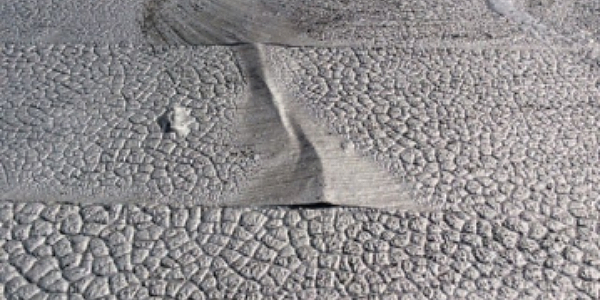
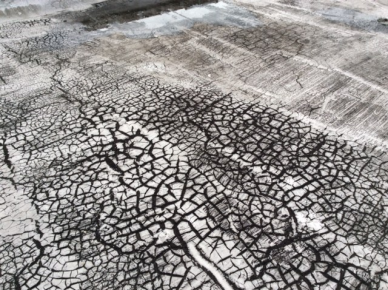 One of the issues covered is alligatoring. This is a problem specific to built-up roofing (otherwise known as BUR). It is named for its appearance, which is a pattern of cracks that are akin to an alligator’s skin.
Alligatoring occurs when the asphalt layers in the system deteriorate over time. This deterioration is a natural occurrence due to factors such as sun exposure where the UV rays can dry out the asphalt causing it to become brittle, and temperature fluctuations that lead to the asphalt expanding and contracting as temperatures shifts, leading to stress and cracking.
It is crucial that you reseal the roof as soon as the signs of alligatoring are noticed, as the problem will become increasingly worse if left unattended. For example, after a crack has formed on the surface, there is now a route for moisture to enter the actual layers of the roof system and damage the interior of the system. If alligatoring is left for too long, an entire roof replacement might become necessary, which is far more expensive than a simple recoating.
If alligatoring begins to occur, there’s a few steps to take to fix it. First, get the roof clean. Scrape off any loose bits of the old coating and clean the roof with water and TSP (Trisodium Phosphate). After all of that is rinsed off and the roof is dry, it’s time to come in with Kool Seal Storm Patch Acrylic Patching Cement or Kool Seal Storm Patch Black Patch and Coat on all the cracks. Kool Seal Storm Patch Polyester Fabric can be used to reinforce patching cement on larger cracks.
Learn more about Kool Seal in their Coffee Shop Directory or visit www.koolseal.com.
About the author

Emma is the senior content developer at The Coffee Shops and AskARoofer™. When she's not working or overthinking everything a little bit, she enjoys watching movies with friends, attending concerts and trying to cook new recipes.
Recommended For You
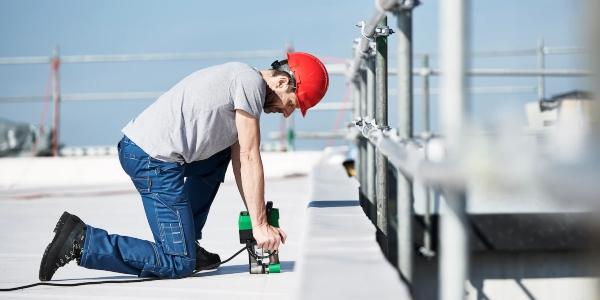
Meet The Welding Machine That is Closing the Gap Between Manual and Automatic Welding
Read More ...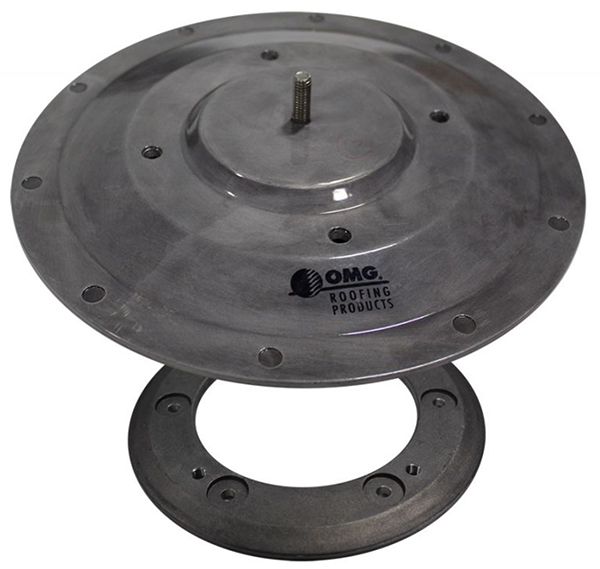
Introducing the PowerGrip™ Universal Attachment Anchor
Read More ...
The profitability blind spot
Read More ...


Comments
Leave a Reply
Have an account? Login to leave a comment!
Sign In