












How AI elevates polymeric materials in architectural design
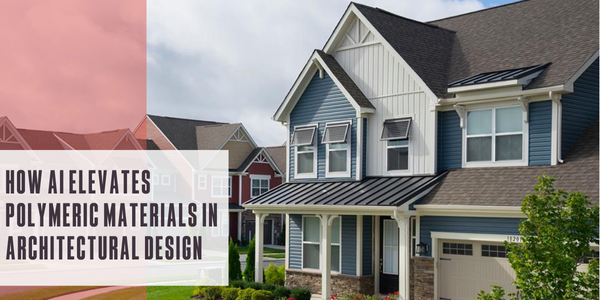
By Don Browne, Polymeric Exterior Products Association (PEPA).
Data-driven design tools increasingly favor materials that deliver durability, efficiency and code compliance.
Here at Polymeric Exterior Products Association (PEPA), we know that artificial intelligence (AI) is poised to become a standard component of residential and commercial design workflows in 2026. As technology grows smarter and more adaptive, AI-driven platforms are increasingly used to evaluate building materials based on performance data, regional conditions and long-term value. From early design concepts through specification, AI is reshaping how architects and builders approach efficiency, resilience and predictability in the built environment. This evolution creates a natural advantage for vinyl siding, synthetic roofing and other polymeric exterior building products.
Why AI loves polymeric exterior materials
AI-driven design platforms evaluate materials based on a matrix of performance metrics: cost, durability, sustainability, regional suitability and aesthetic flexibility. Polymeric exteriors check all these boxes:
- Affordability: Vinyl siding offers cost-effective solutions that AI can prioritize for budget-conscious builds.
- Durability & low maintenance: AI systems favor materials with long lifespans and minimal upkeep, such as polymeric roof tiles, reducing lifecycle costs.
- Fire & termite resistance: These safety features are flagged by AI as critical in risk mitigation simulations.
- Climate adaptability: In coastal zones, AI can recommend polymeric exteriors for their resistance to salt, humidity and wind stress.
- Sustainability: Many polymeric products are recyclable and/or made from recycled content, aligning with AI’s sustainability scoring, which should factor in green building credits for LEED Certification and other green building authorities.
- Compliance with regulatory codes: Thanks to the proactive efforts of the Polymeric Exterior Products Association’s (PEPA) Code Development Work Group in advocating for key building code additions and amendments over the years, AI will favor vinyl siding for specification to meet the latest regulations for continuous insulation, energy efficiency, wind and fire resistance and other aspects of the developing building code.
How architects can manifest these benefits in AI-driven design
If AI doesn’t automatically surface polymeric options, architects can proactively shape the conversation:
- Feed the algorithm: Input polymeric materials into generative design tools with clear specs on performance, cost and environmental impact.
- Simulate scenarios: Use AI to model polymeric materials under stress tests — fire, wind, moisture — to showcase their resilience.
- Highlight lifecycle value: AI thrives on data. Architects can present lifecycle analyses demonstrating long-term savings and reduced maintenance costs.
- Pair with smart systems: Polymeric exteriors can be integrated with sensors or smart coatings (i.e., UV-reflective layers) that AI systems can monitor and adjust.
Blending material science and AI
In an AI-enhanced design landscape, polymeric exterior building products aren’t just compatible; they’re strategic. Their common-sense benefits become data-backed advantages when filtered through AI’s analytical lens.
Architects who understand both the material and machine learning can ensure these smart, sustainable choices rise to the top of every design iteration.
Original article and photo source: PEPA
Learn more about PEPA in their Coffee Shop Directory or on polymericexteriors.org.
Recommended For You
Improve Your Work Flow With AccuLynx Field App
Read More ...
Find the perfect labor crew with the click of a button!
Read More ...
Mastering CRM: Unlocking growth for your roofing business
Read More ...




Comments
Leave a Reply
Have an account? Login to leave a comment!
Sign In