


Sustainability isn’t a coastal trend. It’s moving inland and it’s moving fast
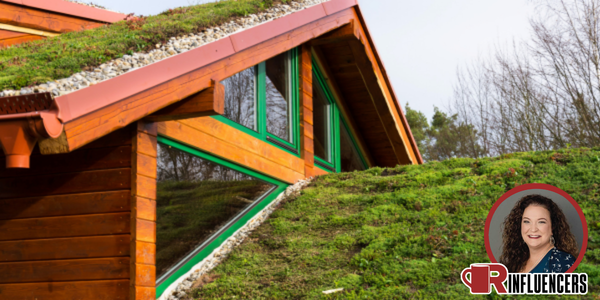
RCS Influencer Wendy Marvin shares tips for entering the sustainability conversation.
Let me be honest: The first time “embodied carbon” and “waste diversion targets,” came up in a pre-bid meeting, I smiled, nodded and quietly Googled it in my vehicle before heading back to the office.
I know I’m not alone.
Whether we are ready or not, the conversation is happening on jobsites, in the architect's office and in bid documents across the country. The contractors who are going to win the best projects in the next five to ten years are the ones who can hold that conversation and keep the customer's trust by not faking it.
Why this isn’t going away
The construction industry accounts for approximately 34% of global carbon emissions. That number has caught the attention of governments, building owners and the architects who design for them. Areas like Orange County, California, already mandate that 65% of construction waste be diverted from landfills. More municipalities are following suit. Some projects now require documentation, Environmental Product Declarations (EPDs) and detailed waste management plans, just to pull a permit.
This isn’t a coastal trend. It’s moving inland and it’s moving fast.
Building owners are asking sustainability questions during bidding. They’re not always experts themselves, but they’ve been told to ask, and they’re watching how you respond. A confident, informed answer builds trust. A blank stare costs you the job.
Here’s the good news
You’re not starting from zero. Sustainability isn’t just environmental, it’s a three-legged stool: environmental, economic and social. That last one? You’re already living it.
Your safety program is a sustainability achievement. Your employee training and development is a sustainability achievement. Your community involvement, your diversity and inclusion efforts – all of it counts and all of it can be communicated to clients as part of your sustainability story.
What the conversation actually looks like
An architect slides a spec across the table and asks about your approach to sustainable materials.
Here’s what honest and informed sounds like:
Roofing materials are genuinely challenging to recycle because of how they're composed and what it costs to reprocess them. We track what we remove, we know which manufacturers have take-back programs and we stay current on local disposal requirements. We're not going to promise you the moon on recycling roofing materials — but we're not going to bury our heads either. We're watching where this is going, and we're ready.
That answer is more credible than a contractor who promises you everything and delivers nothing. And it positions you as someone worth trusting.
The vocabulary that matters
Learn about these three terms so you sound informed when they come up.
- Embodied carbon – Emissions tied to manufacturing and transporting materials before a building is ever occupied.
- Waste diversion – Keeping construction debris out of landfills, documentation is often required.
- EPDs – A manufacturer’s environmental impact report. Like a “nutritional label” for building materials.
So where do we start?
Track your waste. Ask your manufacturers about their recycling programs. Document what you’re already doing. Know your local rules before they show up as a spec and surprise you. Engage with your local associations, as they’re already having these conversations.
Bottom line
Contractors who learn the language and show up prepared will be the ones architects and owners call first. Remember, you don’t need to be a sustainability expert. You need to be an expert roofing contractor who takes sustainability seriously.
Start the conversation. Own the room.
It’s that simple.
Wendy Marvin is the co-founder and CEO of Matrix Roof + Home. Read her full bio here.
Recommended For You
Thinking strategically about the market demand for sustainability
Read More ...
Knowing who, where and how to pitch green roofs and sustainability
Read More ...
Sustainability in roofing: Moving beyond the buzzwords
Read More ...


Comments
Leave a Reply
Have an account? Login to leave a comment!
Sign In