











Protecting young workers from rising heat risks

By Florida Roofing and Sheet Metal Contractors Association.
As temperatures climb, so do the dangers young workers face on the job.
They're eager. They're fast learners. They're the future of the workforce. But on worksites across the country, young employees are stepping into roles that may expose them to a deadly hazard they’re not prepared for: extreme heat. For Florida Roofing and Sheet Metal Contractors Association (FRSA), protecting these emerging workers from heat exhaustion is a priority, and with rising temperatures and longer heatwaves, the stakes have never been higher. Here we look at why younger employees face a higher risk of heat illness and what employers can do to ensure their safety while on the job.
Watch out for each other
What might feel like a regular shift can turn deadly quickly. Watch for the signs of heat illness and train your employees to recognize the signs. Act quickly when signs appear to save lives.

First aid for heat illness includes
- Give cool water to drink.
- Remove unnecessary clothing; do not leave alone.
- Move to a shaded or cooler area and cool with water, ice or a fan.
- Seek medical care if needed. When in doubt, call 911.
When to call for help
Signs of a medical emergency:
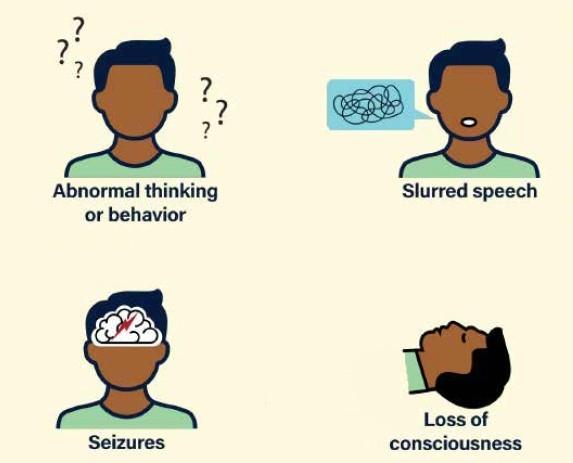
Employers need to:
- Comply with federal and state child labor laws. For example, federal laws prohibit youth under 18 from working certain hours and from performing dangerous or hazardous work.
- Train employees to use safe work practices and recognize hazards. Training should occur whenever a new task is assigned and be in a language and vocabulary that employees can understand. Heat safety training should help employees understand their heat exposure risks and teach them about prevention actions and first aid.
- Model safe working behaviors and decision-making. This could include providing scheduled work breaks, especially as new employees get used to working in the heat.
- Train employees on what to do if they get hurt on the job.
- Provide safety equipment as necessary that fits correctly.
- Implement a mentoring or buddy system. Have an older or more experienced worker help new and younger employees learn the ropes of a new job.
- Encourage employees to ask questions about tasks and tell them whom to ask. Respond positively and considerately to all questions so that employees do not feel reluctant to speak up.
- Ensure that equipment is functional, legal and safe for employee use. Label equipment that workers under 18 are not allowed to operate.
Original article source: Florida Roofing and Sheet Metal Contractors Association
Learn more about Florida Roofing and Sheet Metal Contractors Association (FRSA) in their Coffee Shop Directory or visit www.floridaroof.com.
Recommended For You
SOPREMA Storm Shelters can Protect From Extreme Weather Events
Read More ...
Surviving the Elements - What a Roof Goes Through
Read More ...
Chill Out: Don't Let Winter Give You Roofing Headaches
Read More ...


Comments
Leave a Reply
Have an account? Login to leave a comment!
Sign In