









General construction safety principles: The core practices every outdoor trade should follow
By John Kenney, Cotney Consulting Group.
Getting the fundamentals right is what separates disciplined contractors from the rest.
Across the outdoor living industry, every contractor has their specialty — tile setting, hardscape, pool and spa, landscaping, lighting, sports surfaces, agronomics and general maintenance. Each trade has its own techniques, tools and materials, but one thing unites them all: Safety fundamentals. These aren’t complicated systems or advanced training modules. They are the core practices that form the backbone of every professional job site.
When you boil down decades of incident reports, near misses, audits and field observations, the patterns are clear. The most serious injuries don’t happen because a job is difficult — they happen because the fundamentals weren’t followed. General construction safety is universal: if you get the basics right, you prevent 90% of the hazards before they ever develop.
Safety begins with mindset, not equipment
Tools, PPE and procedures are critical, but they don’t matter if the crew isn’t mentally engaged. The safest teams share one trait: situational awareness. Workers who pay attention to their surroundings catch hazards early — before they become incidents.
This mindset includes:
- Recognizing when conditions change
- Speaking up about hazards
- Asking questions instead of assuming
- Taking the extra 10 seconds to do the job correctly
Training builds skills. Culture builds awareness. You need both.
Pre-task planning: Five minutes that prevents five weeks of injuries
No matter the trade, every job has a “first five minutes.” That small window sets the tone for the entire day. Crews that pause to plan work more safely and produce better results.
Strong pre-task planning includes:
- Reviewing the scope of work
- Identifying the hazards around that task
- Confirming PPE requirements
- Checking equipment condition
- Assigning specific roles
- Reviewing changes since the previous shift
It doesn’t need to be formal or time-consuming. It needs to be consistent.
PPE: The basics are what matter most
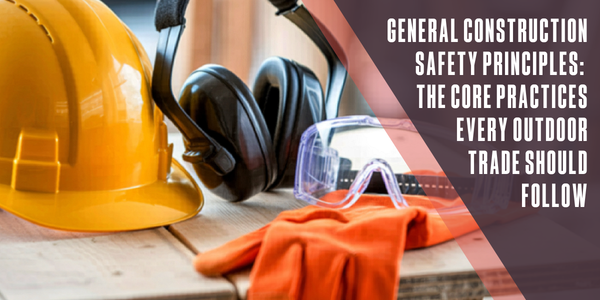
PPE is not a substitute for safe behavior, but it is a critical line of defense. Outdoor worksites present unpredictable hazards — flying debris, chemicals, sharp materials, electrical exposure, uneven surfaces and weather shifts.
To cover the majority of risks, crews should always have:
- Safety glasses or face shields
- Gloves suited for the task
- Hard hats when working around overhead hazards
- High-visibility apparel in shared workzones
- Proper footwear with slip-resistant soles
- Hearing protection near power tools or machinery
PPE doesn’t help when it stays in the truck. Supervisors should model correct usage every day.
Tool and equipment safety: Respect the basics
Most tool-related injuries come from improper use, poor condition or rushing. Across all outdoor trades, workers should follow these fundamentals:
- Inspect tools before each use
- Remove damaged tools from service immediately
- Use the correct tool for the job
- Keep guards and safety devices in place
- Maintain a clean, well-lit work area
- Store tools properly during breaks
From grinders to mowers to power drills, every tool behaves predictably — until someone misuses it.
Communication: The most underrated safety system
Clear communication prevents more accidents than any device or sign. Outdoor projects involve multiple trades, overlapping work zones and changing conditions. Everyone — from new hires to supervisors — must stay aligned.
Effective communication includes:
- Announcing when equipment is starting or moving
- Confirming lockout/tagout before maintenance begins
- Establishing eye contact before passing materials
- Verbalizing hazards during walkthroughs
- Using radios or hand signals when needed
Many of the worst incidents happen because someone didn’t know what another worker was doing.
Weather awareness: The outdoor variable you can’t control
Unlike indoor trades, outdoor contractors face the weather every day. Rain, wind, heat, cold and lightning all introduce hazards that change the rhythm of the job.
Fundamentals include:
- Stopping work on elevated surfaces during high winds
- Avoiding electrical tasks in wet conditions
- Monitoring heat exposure and hydration
- Adjusting schedules for extreme temperatures
- Securing materials and equipment in storms
Safety adapts with the weather, not the other way around.
The power of stop-work authority
Every worker on the site should have the confidence — and the permission — to stop a task if they feel unsafe. This isn’t only good safety practice; it’s good management.
Stop-work authority:
- Prevents rushed decisions
- Encourages critical thinking
- Builds trust within the crew
- Demonstrates leadership commitment to safety
When workers know their voices matter, they use them.
Professionalism begins with the basics
General construction safety principles aren’t complicated, and that’s precisely why they get overlooked. The fundamentals don’t change because the trade changes. Whether you’reinstalling a stone patio, rewiring a landscape light, resurfacing a tennis court or maintaining a facility, the same rules apply.
When crews follow the basics — plan the task, stay aware, wear PPE, communicate clearly, respect tools and adapt to conditions — they build safer sites, stronger teams and higher-quality work. That consistency defines professionalism in every segment.
Getting the fundamentals right is what separates disciplined contractors from the rest. When safety becomes a habit rather than a requirement, every jobsite benefits — and every worker goes home whole.
Learn more about Cotney Consulting Group in their Coffee Shop Directory or visit www.cotneyconsulting.com.
Recommended For You
Building safety into your job site
Read More ...
National Ladder Safety Month is Coming
Read More ...
Safety with every step
Read More ...




Comments
Leave a Reply
Have an account? Login to leave a comment!
Sign In