











Clean sites prevent falls and fines: Housekeeping essentials for roofing crews
By Cotney Consulting Group.
On a roof, there's no room for clutter — only for safe steps, sharp work and solid results.
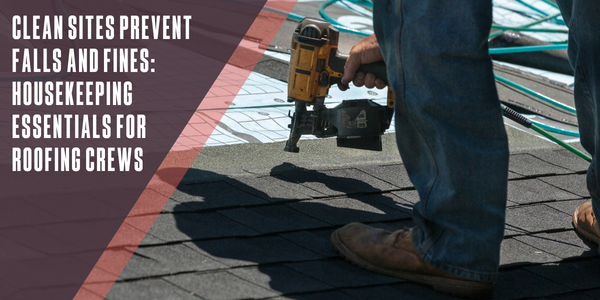
In the roofing industry, conversations about safety often focus on fall protection equipment, weather conditions or material handling. However, one of the most consistent and controllable hazards across any roofing job site is far more basic: poor housekeeping.
Scattered debris, loose materials, tangled cords and cluttered access points are all common contributors to falls, trips and injuries. Beyond worker safety, OSHA fines for poor housekeeping violations are frequent and costly.
A clean site is more than just a reflection of professionalism; it's a critical part of risk management. For roofing contractors, taking job site cleanliness seriously protects your crew, productivity and bottom line.
Why housekeeping matters on the roof
Roofing involves limited space, elevation risk and a steady stream of materials, fasteners, tools and packaging. When waste and equipment are left unchecked, the potential for injury grows:
- Trips and falls from discarded shingle scraps, nails or tools
- Slips on loose granules, dust or wet tarpaper
- Cuts or puncture wounds from metal edges or exposed fasteners
- Fire hazards from flammable materials like paper or packaging
- Obstructed egress in case of emergency
OSHA regulations (1926.25) require that work areas be kept "clean and orderly and in a sanitary condition." But even more importantly, clean job sites create safer habits, smoother workflows and a more respectful work environment.
The real cost of a messy roof
Let's break down the impact of poor housekeeping:
- Injury claims and lost workdays: A single trip over a tool pouch can sideline a key crew member for weeks.
- Equipment damage: Dropped tools or rolled-over hoses lead to costly repairs or replacements.
- Project delays: Time spent clearing debris mid-job is time lost from production.
- Client perception: A disorganized roof gives the impression of carelessness — hurting your reputation.
- Regulatory fines: OSHA penalties for repeat violations can cost tens of thousands of dollars.
In short, good housekeeping is good business.
High-risk areas to watch
Every job site has its weak spots. On a roofing project, pay special attention to these common problem zones:
- Roof access points: Ladders, scaffolds and entry areas often become cluttered with tools and trash.
- Material staging areas: Pallets of shingles or insulation can become tripping hazards if not organized.
- Work paths and walk boards: Always remain clear of cords, hoses and debris.
- Skylight and edge protection zones: These critical safety areas must be visible and clutter-free.
- Ground-level cleanup: Don't forget the perimeter. Trash blowing off the roof creates both site hazards and public complaints.
Daily housekeeping best practices
Make cleanup and organization a part of the daily workflow — not just an afterthought. Start with these steps:
- Pre-job walkthroughs: Begin each day by quickly inspecting access points, walk paths and material layouts.
- Material placement planning: Designate clear drop zones and staging areas before tear-off or installs begin.
- Trash control: Use dedicated trash bins or debris chutes. Never let wrappers, backing paper or strapping build up on the roof.
- Secure loose items: Fasteners, tools and small equipment should not be scattered in tool belts or containers.
- End-of-day cleanups: Make it routine to sweep, bag and clear the job site before crew dismissal.
When crews know housekeeping is expected and enforced daily, it becomes second nature.
Involve the whole crew
Housekeeping isn't the responsibility of just one worker — it's a team effort. Establish clear expectations from leadership down:
- Assign rotating cleanup roles or sections of the roof to specific crew members.
- Incorporate housekeeping checks into your safety meetings and tailgate talks.
- Encourage peer accountability. If someone sees clutter becoming a hazard, they should speak up or fix it.
- Recognize clean job site performance like you would recognize safety milestones or production goals.
- Making job site cleanliness part of your company culture ensures long-term results.
Tools that help
Support your crew with gear that makes housekeeping easier:
- Magnetic nail sweepers for tear-offs and fastener-heavy work
- Debris buckets and trash bags kept in reach on the roof
- Tool tethers or belts to prevent accidental drops
- Cord management systems for power tools
- Portable bins for organizing fittings, sealants and adhesives
When the tools to stay organized are available, workers are far more likely to use them.
Don't wait until it's a problem
A messy job site isn't just unprofessional — it's unsafe. And in roofing, where the margin for error is already razor-thin, even small lapses in housekeeping can lead to serious consequences. Make clean, organized worksites part of your brand. It protects your workers, impresses your clients and helps you avoid potential fines or violations.
Because on a roof, there's no room for clutter — only for safe steps, sharp work and solid results. Clean sites don't just prevent falls. They protect your future.
Learn more about Cotney Consulting Group in their Coffee Shop Directory or visit www.cotneyconsulting.com.
Recommended For You

Rooftop safety for metal roofing
Read More ...
Protecting their people
Read More ...
Staying safe before you arrive on site
Read More ...




Comments
Leave a Reply
Have an account? Login to leave a comment!
Sign In