










What are Social Security No Match Letters?
By Lauren White, RCS Reporter.
Learn more about the return of the No Match letters and what it means for you and your business.
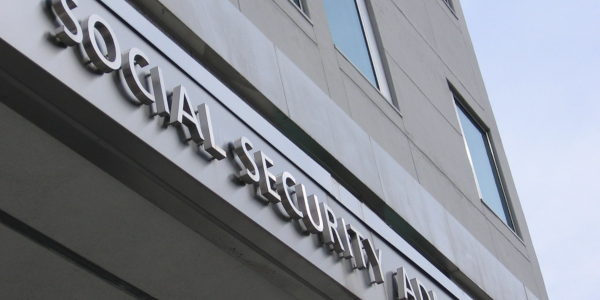
This March the Social Security Administration (SSA) began mailing letters to employees with names and/or social security numbers that didn’t match the records of the SSA. Known as “No Match” letters, they began in the 1990s, but were last issued in 2012. Having made a comeback, it’s important to understand how these letters can impact your business.
According to Cotney Construction Law, “The ‘No Match’ letters can be the result of a variety of reasons, many of which do not carry legal consequences and are easily correctable.” On the other hand, these letters should be taken seriously if issued to an employee with a valid social security number but who doesn’t have the right to work in the United States.
There are no direct legal consequences that come from the letter. However, there could be repercussions from the Department of Homeland Security in the department of immigration. Cotney Law explains, “It is a civil violation for an employee to knowingly continue to employ a person that is not authorized to work in the U.S. and civil violations can result in fines up to almost $22,000 per violation.”
After you receive a “No Match” letter, there are two important things to remember. The first is, “You do not face any immediate legal consequences if the employee named in the letter does not have the right to work in the U.S.,” Cotney Law reveals. Courts have ruled that the letter doesn’t establish the employer knew his employee wasn’t approved to work in the U.S. Second, you are not able to lay off, suspend, or fire employees named in the letter.
It is recommended that you administer an I-9 audit when you receive a “No Match” letter. Then you can remedy any mistakes identified. Cotney Law shares, “The best defense against “No Match” letters is a good offense.”
Consult an experienced construction attorney like Cotney Construction Law to help audit your I-9s and personnel records to find inaccuracies that could prompt a “No Match” letter.
Disclaimer: The information contained in this article is for general educational information only. This information does not constitute legal advice, is not intended to constitute legal advice, nor should it be relied upon as legal advice for your specific factual pattern or situation.
Recommended For You
Trent Cotney shares new legal insights
Read More ...
August 2025 legal updates: The Big Beautiful Bill, insurance policies and more
Read More ...
California Adopts New COVID-19 Regulations
Read More ...





Comments
Leave a Reply
Have an account? Login to leave a comment!
Sign In