












Unlocking efficiency through optimized roofing
By Jesse Sanchez.
Boosting R-values isn’t just about more insulation, it’s about smarter roofing strategies.
As the drive for energy efficiency intensifies, commercial facility managers and engineers are reevaluating a familiar component of building performance: insulation. Specifically, R-values, the metric for measuring thermal resistance, are getting a closer look. But expert consultants like Casey Curry, RRO of Benchmark in an article for IFMA’s FMJ cautions, simply adding on insulation isn’t always the best or most cost-effective move. Understanding R-values remains essential, but the industry has moved past the notion that more insulation automatically equals better performance. In commercial roofing, the focus has shifted toward a more strategic integration of systems, particularly air and vapor barriers, that work in tandem with insulation to minimize energy loss and enhance the overall durability of the building envelope.
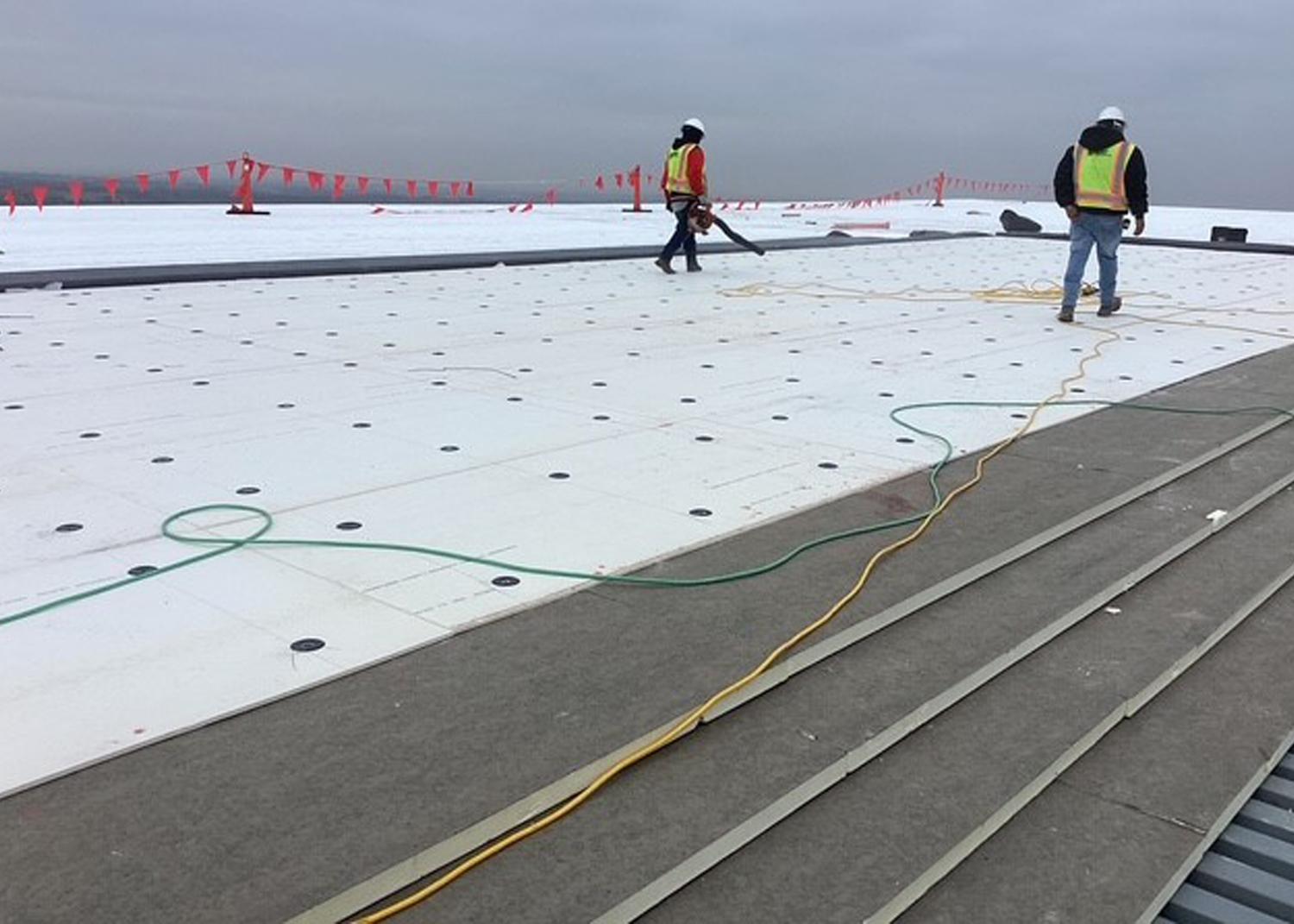
R-values quantify how well a material resists heat flow. The higher the number, the better the insulation. But multiple variables affect the equation. Climate zones, building types and operational demands all influence what level of insulation is truly effective and what’s waste. The International Energy Conservation Code (IECC) provides a roadmap, with specific R-value minimums based on geographic zones and building usage. However, experts stress that meeting the code is a baseline, not a finish line.
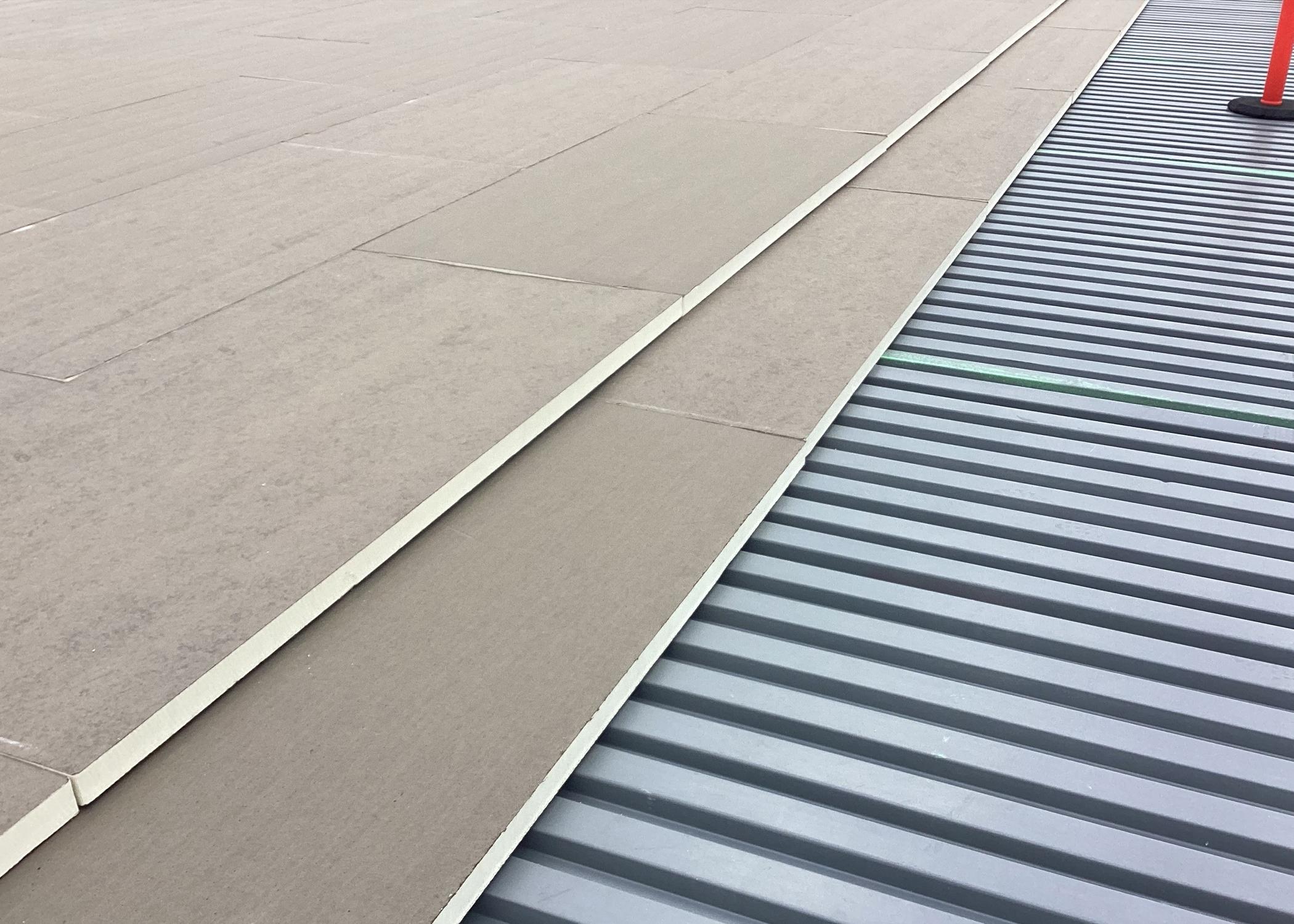
Air and vapor barriers are now recognized as key allies in this effort. Air barriers help control drafts and stabilize indoor temperatures, while vapor barriers prevent moisture from compromising insulation performance and building health. When correctly installed, these layers dramatically reduce the risk of mold, rot and structural degradation, issues that often emerge well after construction is complete.
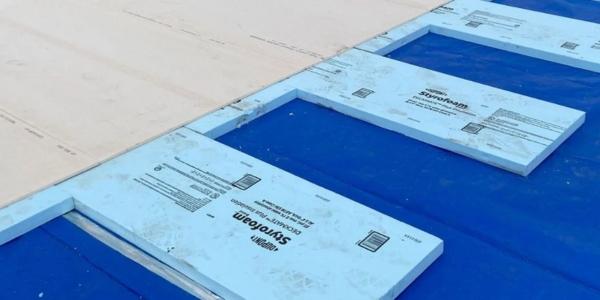
Layering insulation is one of several strategies to increase the R-value in a commercial building. Overlapping different types of insulation, such as rigid boards and spray foam, not only boosts R-values but also seals vulnerable joints and minimizes thermal bridging. The benefits are twofold: stronger performance and longer system life. Adhesive application methods also matter. Mechanically fastened insulation can cause thermal bridging that reduces system performance. Adhesives cut down on these pathways, preserving R-value integrity and minimizing energy loss.

For those in charge of large facilities, especially warehouses, manufacturing sites and food-processing plants, rethinking insulation could yield both immediate savings and long-term resilience.
Learn more about Benchmark in their Coffee Shop Directory or visit www.benchmark-inc.com.
About the author

Jesse is a writer for The Coffee Shops. When he is not writing and learning about the roofing industry, he can be found powerlifting, playing saxophone or reading a good book.
Recommended For You

JobNimbus launches NimbusLabs, an early access program for new features
Read More ...
Determining whether it’s time for a replacement
Read More ...
Presenting opportunities to a fresh path forward
Read More ...




Comments
Leave a Reply
Have an account? Login to leave a comment!
Sign In