










The reroofing and plumbing solution
By The Coffee Shops™.
Tubos vent pipe extensions help contractors save time while achieving code compliance.
In the article “Where plumbing meets roofing,” Kevin Morris of TUBOS outlines a critical yet often overlooked intersection between plumbing code and roofing practice: vent pipe extensions. Plumbing vent pipes are essential to a building’s drainage system, allowing sewer gases to escape and preventing vacuums that can disrupt water flow. The International Plumbing Code requires vent stacks to extend at least 6 inches above the roof, with additional height and diameter requirements in colder climates.
During reroofing projects, however, added insulation to meet energy code requirements such as those outlined in the International Energy Conservation Code can leave existing vent stacks out of compliance. As insulation thickness increases, vent pipes must also be extended to maintain proper height above the roof surface.
Traditionally, Kevin writes, contractors have relied on two extension methods: stainless steel sleeves or no-hub couplings with PVC pipe. Both approaches are labor intensive, require precise installation and typically cost $25 to $30 per extension in materials alone. They also can introduce fit and sealing challenges if not executed properly.
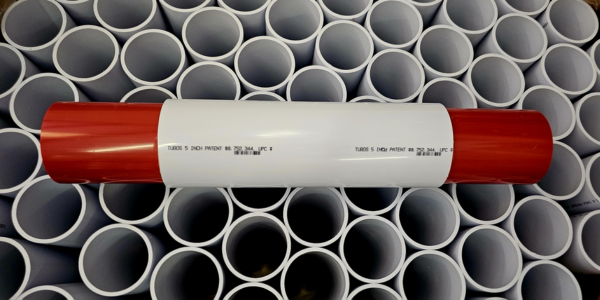
The article highlights a modern alternative: Tubos Vent Pipe Extensions. These 28-inch PVC extensions feature an internal 6-inch splice sleeve designed to fit securely inside the existing vent stack. Installation typically takes less than five minutes and does not require special tools. Each unit can extend two vent stacks and is compatible with common 2-, 3-, 4- and 5-inch pipe sizes.
Industry professionals cited in the article point to time savings, code compliance and improved detailing as key advantages. Contractors also benefit from distributor availability, eliminating time lost sourcing materials mid-project. In a market facing labor shortages and tighter schedules, efficiency gains can significantly impact profitability.
As reroofing projects continue to drive insulation upgrades nationwide, proper vent stack extensions remain a small but essential detail that can affect long-term performance and code compliance.
To learn more about vent pipe extension methods and best practices, read the full article.
Learn more about TUBOS in their Coffee Shop directory or visit tubos.biz.
Get your first TUBOS for less and see the quality for yourself.
Recommended For You
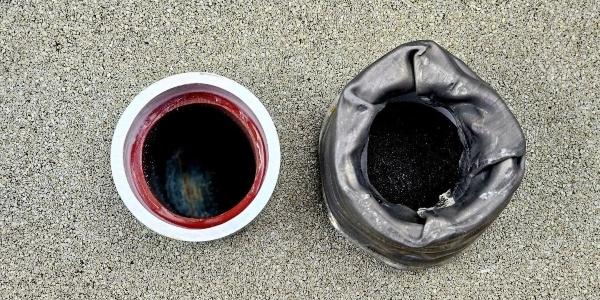
The product that's busting myths about vent extensions
Read More ...
Building a stronger roof service department
Read More ...
Guide to Residential Cool Roofs for Your Customers and New Employees
Read More ...



Comments
Leave a Reply
Have an account? Login to leave a comment!
Sign In