











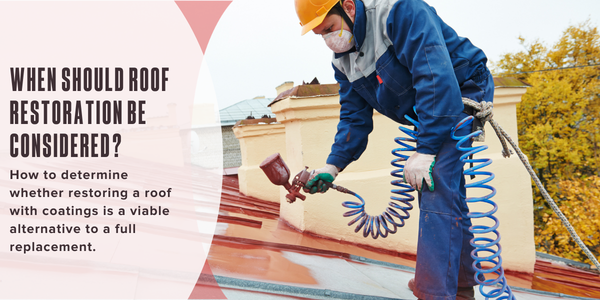
When should roof restoration be considered?
The Coffee Shops™
How to determine whether restoring a roof with coatings is a viable alternative to a full replacement.
When a roof begins showing signs of age through rust, sagging, leaks or moisture-related issues, building owners may assume replacement is the only option. However, not every aging roof needs to be torn off and replaced. According to this article by Polyglass, if the structure remains sound and underlying damage is limited, a roof restoration coating system may offer a more efficient and cost-effective path forward.
Roof restoration works by reinforcing the existing roof membrane rather than removing it. By retaining the current roof structure, building owners can extend roof life while avoiding the expense, material use and disruption associated with a full replacement. Cool roof coatings can also help reduce rooftop temperatures, contributing to improved thermal efficiency and occupant comfort.
The decision to restore or replace depends on the condition of the roof. Coatings cannot address major structural issues such as a rotting deck, extensive water damage or severely deteriorated roofing materials. Before any coating project begins, the roof’s insulation should be dry, damaged seams or surfaces should be repaired and the drainage system should be functioning properly. In all cases, a qualified coatings professional should assess if the roof is a good candidate for restoration.
Understanding coating types is another important part of the evaluation process. Acrylic coatings are water-based, applied in multiple coats and compatible with many roof systems. They provide weather and ultraviolet (UV) protection while helping maintain a cooler roof surface. Silicone coatings offer a more durable solution, with strong resistance to standing water, moisture vapor penetration and UV exposure.
Whether acrylic or silicone is selected, performance depends on the complete system. Primers, reinforcements and proper surface preparation all play a role in promoting adhesion and long-term results. Taking a full-system approach can help ensure that a restoration project delivers the intended protection and service life extension.
Learn more about Polyglass in their Coffee Shop Directory or visit www.polyglass.us.
Recommended For You
ServiceTitan announcing new and expanded capabilities at Pantheon 2026
Read More ...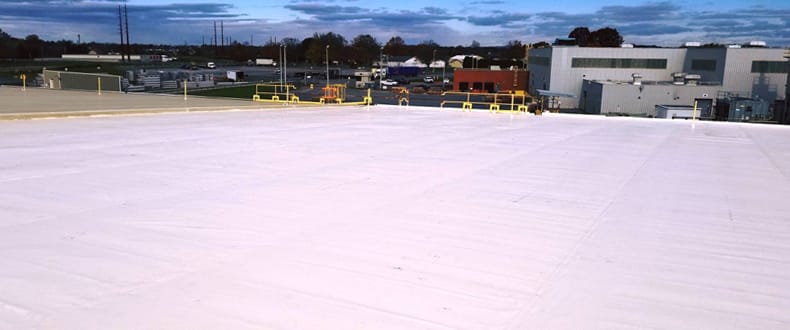
4 Facts About FiberTite® and How It Compares to the Competition
Read More ...
Get More From Your Metal Folders
Read More ...


Comments
Leave a Reply
Have an account? Login to leave a comment!
Sign In