








Sustainability in roofing: Moving beyond the buzzwords
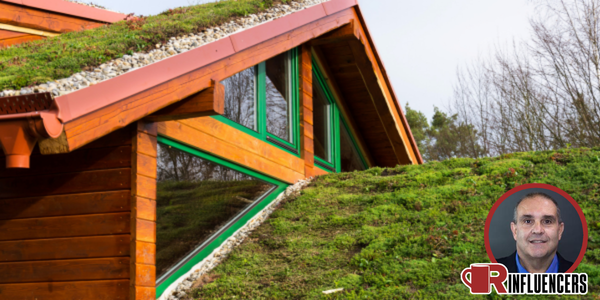
RCS Influencer John Kenney explains how evolving roofing solutions support building performance, long-term value and owner objectives.
Not that long ago, sustainability discussions were limited to a handful of projects, a few environmentally focused owners and the occasional architect seeking certification points. Today, that conversation has become much more mainstream. Building owners are asking about energy efficiency, architects are exploring sustainable design options and municipalities are increasingly adopting standards that encourage greener building practices.
For roofing contractors, this presents both a challenge and an opportunity. The challenge is understanding how these systems fit into the marketplace. The opportunity is becoming a trusted resource for owners and design professionals seeking answers.
One area that continues to gain attention is green roof systems. While they may not be appropriate for every building, contractors should have a working understanding of what they are and how they function. Green roofs typically incorporate vegetation, growing media, drainage layers and specialized waterproofing systems designed to support plant life above the roof assembly. Beyond aesthetics, these systems can help manage stormwater, reduce urban heat island effects and contribute to energy efficiency goals.
That doesn't mean every contractor needs to become a green roof specialist overnight. What it does mean is that contractors should understand the systems well enough to participate in conversations with owners, architects and consultants. I've seen contractors lose opportunities simply because they dismissed a discussion of a green roof without understanding the owner's objectives. Even when a green roof isn't ultimately selected, the ability to discuss options intelligently builds credibility.
The broader sustainability conversation extends well beyond green roofs. Reflective roof systems, restoration solutions, recyclable materials and improved energy performance are all part of today's discussion. Owners are increasingly evaluating buildings based on lifecycle performance rather than just initial cost. They want to understand how roofing decisions impact maintenance expenses, energy consumption and long-term asset value.
This is where contractors can provide tremendous value.
Too often, sustainability conversations become focused on buzzwords and marketing language. Building owners don't need more buzzwords. They need practical explanations. They want to know how a roofing system will perform, what it will cost to maintain and whether the investment makes financial sense. Contractors who can translate sustainability goals into real-world business outcomes quickly separate themselves from competitors.
Architects are looking for that guidance as well. Most architects understand design intent, but they also appreciate contractors who bring practical knowledge of installation and performance to the table. When discussing sustainable roofing solutions, contractors should focus on facts, performance history and operational considerations rather than sales presentations.
For example, if a building owner is considering a roof restoration system rather than a complete tear-off, the sustainability benefits are clear. Less material enters the landfill, fewer resources are consumed and the existing roof asset remains in service longer. Those are meaningful benefits, but they become even more compelling when paired with discussions about lifecycle cost savings and reduced disruption to building operations.
The contractors who are most successful in these conversations understand that sustainability is rarely the owner's primary objective. Most owners are focused on protecting their investment, controlling operating costs and reducing risk. Sustainability often becomes a secondary benefit that supports those larger goals.
That's why positioning yourself as a trusted expert matters.
One of the best ways contractors can expand their influence is by engaging outside traditional roofing circles. Facility management groups, property management associations, building owner organizations and local business networks all provide opportunities to educate decision-makers before a project reaches the bidding stage. These conversations often have very little to do with roofing products and everything to do with building performance.
When contractors consistently provide useful information, answer questions honestly and focus on solving problems, they begin to earn trust. Once that trust is established, the roofing discussion becomes much easier because the relationship already exists.
The sustainability movement will continue to influence the construction industry for years to come. Contractors don't need to become environmental experts to succeed. They simply need to understand how evolving roofing solutions support building performance, long-term value and owner objectives.
The contractors who embrace that role as educator and advisor will find themselves invited into more conversations, involved earlier in projects and viewed as resources rather than just bidders. In today's market, that's a position worth building.
John Kenney is the CEO of Cotney Consulting Group. See his full bio here.
Recommended For You
Sustainability in roofing: Moving beyond the buzzwords
Read More ...
Knowing who, where and how to pitch green roofs and sustainability
Read More ...
Thinking strategically about the market demand for sustainability
Read More ...


Comments
Leave a Reply
Have an account? Login to leave a comment!
Sign In