











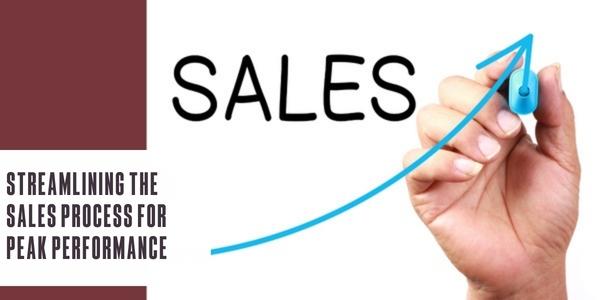
Streamlining the sales process for peak performance
By Jesse Sanchez.
Exploring the intricacies of sales process changes and how contractors can turn new behaviors into consistent, measurable performance.
For contractors working to improve close rates, reduce cancellations and create more predictable revenue, the challenge is rarely identifying a better process. The real difficulty lies in ensuring that the process is used consistently across the team. That point shaped the conversation in a webinar hosted by Ingage, where Corey Cousins of Destination Motivation examined why change initiatives often lose traction and how leaders can convert new ideas into lasting standards.
At the center of the discussion was a clear distinction between knowledge and execution. Corey noted that most teams already understand what they should be doing, but struggle to apply it consistently, stating, “It’s usually consistency that we see as the number one factor between something new working versus something new kind of fluttering and having average results.” Without a system that reinforces repeatable behavior, even well-designed tools and strategies can fade into occasional use rather than daily practice.
That inconsistency, they noted, extends beyond training gaps and into broader business performance. When sales teams rely on autopilot habits instead of a defined process, variability increases and results become harder to predict. Corey pointed to “rising cancellation rates because of inconsistent messaging,” highlighting how uneven communication can erode customer confidence. Ingage expanded on that point, explaining that inconsistent sales execution creates ripple effects across the organization, complicating forecasting, disrupting marketing alignment and putting pressure on production planning.
As the conversation shifted toward solutions, leadership accountability emerged as a defining factor. Corey expressed this with a principle that guided much of the discussion: “what you allow, you encourage.” When new processes are introduced without clear expectations or enforcement, teams tend to interpret them as optional. Over time, that perception reduces urgency, fragments execution and limits the ability to measure impact.
To address those challenges, Corey outlined a structured approach centered on four elements: expectations, value, measurement and reinforcement. Leaders must define what success looks like in specific terms, communicate the value of the change in a way that resonates with the team, track adoption visibly and reinforce behaviors until they become routine. Corey explained, “Standards aren’t instilled in one training. They’re built into the operating rhythm of your business overall.”
These insights point to a broader shift in how contractors should approach change management. Improvement does not come from introducing better ideas alone. It requires building systems that make those ideas consistent, trackable and embedded in everyday operations.
Learn more about turning sales behaviors into consistent, measurable results across your team!
Learn more about Ingage in their Coffee Shop Directory or visit www.ingage.io.
About the author

Jesse is a writer for The Coffee Shops. When he is not writing and learning about the roofing industry, he can be found powerlifting, playing saxophone or reading a good book.
Recommended For You

Family, leadership and the future of your roofing business
Read More ...
The sweet spot in upselling
Read More ...
Finding your edge in a roofing sales pitch
Read More ...





Comments
Leave a Reply
Have an account? Login to leave a comment!
Sign In