










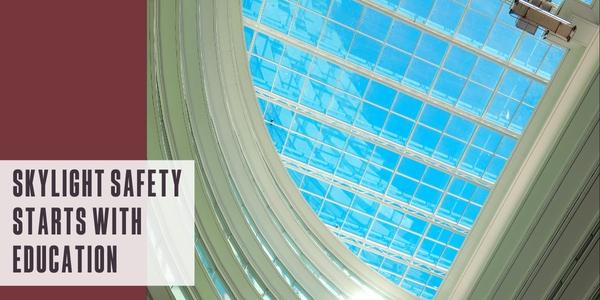
Skylight safety starts with education
By Jesse Sanchez.
How evolving codes, aging materials and roof access realities are changing the fall protection conversation.
As skylights become more common on commercial and industrial roofs, contractors are facing a growing need to understand how these roof openings can impact safety, compliance and daily workflow. In this episode of Roofing Road Trips®, Megan Ellsworth spoke with Brian Grohe, director of commercial sales at VELUX®, about why skylight safety deserves attention during maintenance, reroofing and colder-weather service work. Brian said building codes have evolved significantly over the past five to 10 years, with more emphasis on sustainability, energy efficiency and daylighting through top lighting.
Brian noted, “We're seeing a lot more in application and new construction and renovation opportunities.” That growth also brings new responsibilities for contractors working around existing units. Brian explained that skylights are typically situated nine to 12 inches or more above the roof surface, creating potential trip hazards. More importantly, roof openings can create fall hazards if the skylight has failed, been tarped over or deteriorated.
Safety becomes especially important as weather conditions change and crews spend more time on roofs for service calls. Brian noted that Occupational Safety and Health Administration (OSHA) standards now require roof openings to have covers that can withstand twice the intended load exposure of the roof, a requirement he described as difficult to define without information from the building owner. Education, he said, is where VELUX focuses its support. “OSHA doesn't approve products,” Brian said, “They only provide guidelines on what those products should perform to.”
Rather than making unsupported compliance claims, VELUX provides contractors with product options, impact and fall resistance testing information and guidance to help in evaluating each project. Brian said contractors should assess the visual condition of aging skylights, looking for ultraviolet degradation, cracks, added sealant or signs of previous repairs. Photos can help the VELUX team recommend replacement options, including polycarbonate unit skylights, burglar bars, internal fall protection screens or external safety cages.
That evaluation also depends on the project scope. Crews replacing only membrane areas may be able to leave skylights in place, while full tear-offs often require removing skylights from curbs, making internal protection especially important.
Learn more about VELUX Commercial in their Coffee Shop Directory.
About the author

Jesse is a writer for The Coffee Shops. When he is not writing and learning about the roofing industry, he can be found powerlifting, playing saxophone or reading a good book.
Recommended For You
Keeping a finger on the pulse of the industry
Read More ...
La voz hispana en la industria: De la exposición al reconocimiento
Read More ...
How AI fits into a contractor’s tech stack
Read More ...




Comments
Leave a Reply
Have an account? Login to leave a comment!
Sign In