



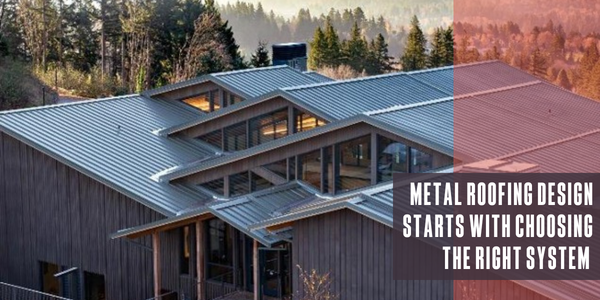
Metal roofing design starts with choosing the right system
By The Coffee Shops®.
Understanding the differences between exposed and concealed fastener systems can help contractors deliver better-performing metal roofs.
Architectural metal roofing continues to gain attention across residential, commercial and industrial construction, driven by durability, aesthetics and long-term performance. In a recent Read Listen Watch® (RLW) hosted by Karen Edwards, Jeff Medeiros of AEP Span shared practical guidance for contractors and designers looking to better understand metal roofing systems and where each option fits best.
Jeff emphasized that architectural metal roofing covers a broad range of applications and performance expectations. As rebuilding efforts increase in wildfire-prone regions, metal roofing and cladding are becoming a larger part of many projects. “The uplift characteristics are great. The lifespan is off the chart,” Jeff said. “These roofs will outlast you? They'll outlast your children in most aspects.”
A key distinction for contractors entering the market is understanding the difference between exposed and concealed fastener systems. According to Jeff, exposed fastener panels are easier to install, less labor intensive and often a more economical option. They are commonly used on pre-engineered metal buildings, agricultural structures and other industrial applications.
Concealed fastener systems, including standing seam roofing and architectural wall panels, require more installation expertise but offer a more refined appearance and enhanced performance. Jeff noted that architectural projects often favor concealed fastener systems because of the design flexibility they provide.
“If you want something to look absolutely stunning and have intermixed profiles with a flat panel next to a box that interlocks with a six up, six down and makes a visually pleasing pattern, that's concealed fastener.”
Design considerations also extend beyond aesthetics. Roof slope, substrate selection and building occupancy all influence system choice. Standing seam systems can be installed on lower-slope roofs where exposed fastener systems may not be appropriate, making them a common solution for commercial applications.
As more contractors explore metal roofing opportunities, understanding these foundational distinctions can help ensure the right system is matched to the right project.
Listen to the podcast or Watch the webinar to learn more about architectural metal roofing system selection.
Learn more about AEP Span in their Coffee Shop Directory or visit www.aepspan.com.
Recommended For You
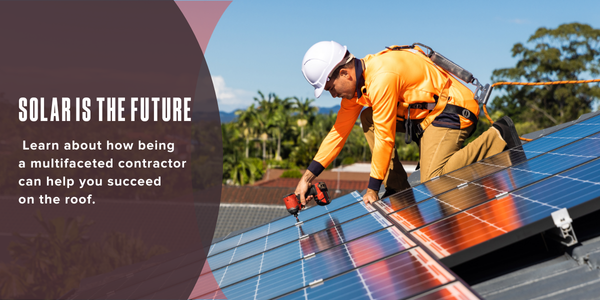
Solar is the future
Read More ...
How integrated data and field tools are changing the game
Read More ...
Roofing training that goes beyond the classroom
Read More ...

Comments
Leave a Reply
Have an account? Login to leave a comment!
Sign In