




In wildfire zones, these roof systems outlast the competition
By The Coffee Shops™.
Learn how metal roofing systems meet the strictest codes to protect properties in fire-prone areas.
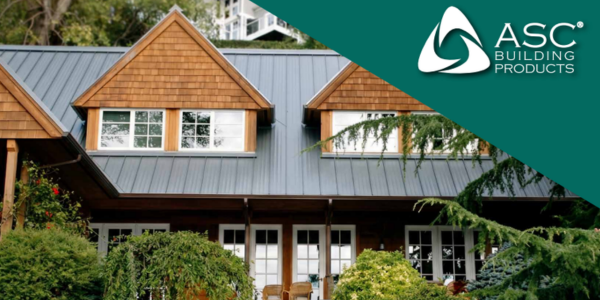
Wildfire risk is reshaping roofing requirements across large portions of the country, especially in Wildland-Urban Interface (WUI) areas where homes border natural vegetation. In a document titled “Metal Roofing in Wildfire Zones,” ASC Building Products outlines why contractors and homeowners need to understand how metal roofing systems perform in these environments.
In wildfire zones, roofing is considered one of the most critical components of a structure’s fire defense, the document reports. Metal roofing systems, when installed with proper underlayment and ember-resistant detailing, are widely regarded as one of the most resilient solutions available. However, metal panels alone do not guarantee compliance. Codes such as the International Wildland-Urban Interface Code (IWUIC) and California WUIC require complete roof assemblies to achieve a Class A fire rating, the highest level of resistance to flame spread and burning embers.
Achieving that rating typically depends on the entire system: noncombustible substrates, fire-rated underlayments and approved installation methods. Steel roofing is inherently noncombustible, but it can still transfer heat to the structure below, making assembly design critical.
Contractors must also pay close attention to vulnerable roof areas where embers can penetrate. Valleys require corrosion-resistant metal flashing installed over a mineral cap sheet. Ridges, hips and transitions must be sealed to eliminate entry points. Eaves — often ignition hot spots — must be protected with noncombustible materials and bird stops or fire-stopping where panel profiles leave openings.
Ventilation is another inspection focal point. Approved vents must be noncombustible, corrosion-resistant, and designed with small openings to block ember intrusion. Gutters and downspouts must also be metal and maintained to prevent debris buildup that could ignite.
Finally, contractors should verify requirements with the local authority having jurisdiction before design or installation, as many regions adopt stricter rules than model codes. With proper detailing and documentation, metal roofing systems can provide a durable, code-compliant solution that significantly improves building survivability in wildfire-prone areas.
Original article source: ASC Building Products
Learn more about ASC Building Products in their Coffee Shop Directory or visit www.ascbp.com.
Recommended For You
Get the most out of your Galvalume warranties
Read More ...
Streamline your operations with field management software
Read More ...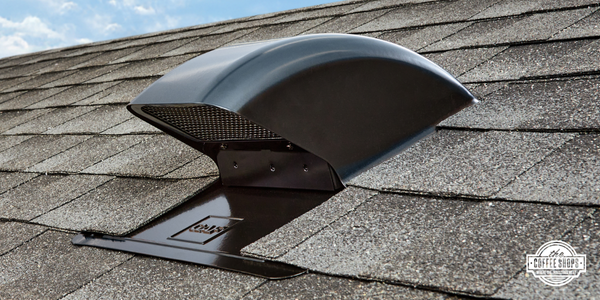
GAF introduces the Master Flow™ Bath & Dryer Rooftop Appliance Vent blending performance and style
Read More ...

Comments
Leave a Reply
Have an account? Login to leave a comment!
Sign In