










Stay ahead of the storm

By PermaBond.
Smart contractors don’t wait for the bad weather to hit; they gear up, plan ahead and prove their value when it matters most.
When storm clouds roll in, it’s not panic that defines the best contractors, it’s preparation. For commercial pros, storm season is the ultimate test of speed, strategy and staying power. That’s why PermaBond champions a proactive approach, equipping contractors with high-performance tools and materials that stand up to the harshest conditions. In a market where downtime is costly and trust is everything, being ready isn’t just a good idea, it’s your edge.
Proactive beats reactive every time
Storm damage can escalate quickly. Contractors who lead with preparation:
- Review client properties before peak season
- Offer pre-storm inspections to identify vulnerabilities
- Stock up on weather-appropriate tools, adhesives and sealants
Preparedness creates space for strategy — rather than scramble.
Tools that won’t let you down
Wind, rain and debris test the limits of traditional materials. That’s why contractors need products engineered for pressure:
- Adhesives like PermaBond that cure fast — even in moisture
- Sealants that resist UV, water intrusion and freeze/thaw cycles
- Equipment kits customized for rooftop access and emergency patching
When your gear is as reliable as your crew, repairs hold — and your reputation does too.
Planning for scale and speed
For commercial contractors, one storm can impact dozens of units. Being ready means having systems that can flex fast:
- Scheduling software that prioritizes high-risk zones
- Pre-built repair kits by property type or damage category
- On-call teams trained for after-hours emergencies
Storms move quickly — but you can move smarter.
Reliability that builds relationships
Storm season is more than a logistical hurdle — it’s a reputational opportunity. Contractors who deliver fast, durable and communicative service become the trusted name on every property manager’s list.
Storms test materials. They also test trust.
Be the contractor whose work — and word — holds up.
Pre-storm prep
- Review client property history and previous repair zones
- Conduct a preventative inspection of vulnerable areas (roof seams, flashing, gutters)
- Confirm access routes and safety plans for rooftop work
- Stock essential adhesives/sealants (e.g. PermaBond)
- Organize repair kits by building type or damage category
Post-storm assessment
- Document damage with photos before beginning repairs
- Evaluate roof drainage systems for clogs or breakage
- Check for hidden damage in HVAC, skylight or parapet zones
- Communicate findings clearly to property managers
- Prioritize permanent repairs with minimal disruption to operations
Follow-up & relationship building
- Provide written summary of work completed
- Suggest preventative upgrades if recurring damage is observed
- Offer flexible scheduling for non-urgent but essential repairs
- Ask for client feedback or referral if satisfied
- Replenish inventory for next weather event
Original article source: PermaBond
Learn more about PermaBond in their Coffee Shop Directory or visit www.permarepair.com.
Recommended For You

From hurricanes to wildfires: Building codes shape product design
Read More ...
Choosing a roof to withstand hailstorms
Read More ...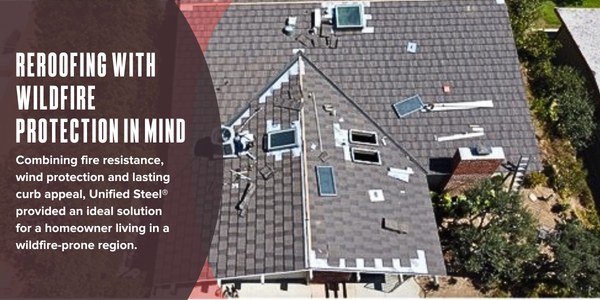
Reroofing with wildfire protection in mind
Read More ...




Comments
Leave a Reply
Have an account? Login to leave a comment!
Sign In