










Protecting choice: Reflecting on PEPA's legislative victory for vinyl siding in Washington state
By Heidi J. Ellsworth.
How industry advocacy helps preserve material choice, affordability and innovation in exterior construction.
The conversation around building materials continues to evolve across North America as lawmakers, regulators and local governments weigh sustainability, affordability and performance. For manufacturers, contractors and homeowners, maintaining access to a wide range of building products is essential to meeting diverse project needs and budgets. That is why the state's Senate Bill 5571 continues to serve as an important example of how industry advocacy can help protect material choice.
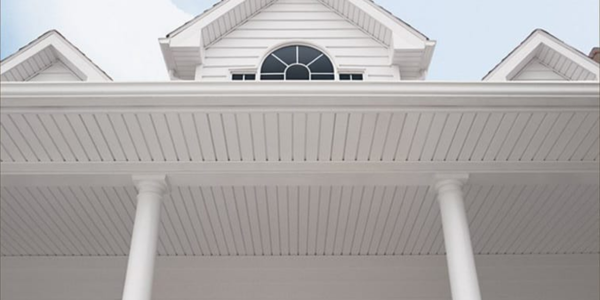
The Polymeric Exterior Products Association (PEPA) has been actively engaged in efforts to ensure that vinyl siding and other polymeric exterior products remain viable options for builders and homeowners. Those efforts received a significant boost with the passage of Senate Bill 5571, legislation designed to prevent local governments from banning or mandating specific exterior cladding materials when those materials already comply with state building codes.
The law established state preemption over local restrictions related to exterior cladding materials. Under Senate Bill 5571, cities and counties are prohibited from excluding or requiring particular exterior cladding products if those materials meet the standards established within the Washington State Building Code. This means local jurisdictions cannot create design requirements or regulations that effectively eliminate the use of vinyl siding or other approved cladding products.
For PEPA and its members, the passage of Senate Bill 5571 represented more than just a legislative victory. Washington became the eighth state in the nation to enact protections for builders and remodelers seeking to use code-compliant vinyl siding and polymeric exterior products, and notably, the first state in the Western United States to do so. According to PEPA, this milestone demonstrates growing recognition that material choice plays an important role in addressing housing affordability, sustainability and consumer needs. PEPA noted that the legislation helps clear the way for more affordable homes, economic growth and sustainable communities while protecting access to modern building materials.
The effort was the result of more than a year of advocacy work. PEPA began discussions in Washington during 2024 through presentations and outreach with the Building Industry Association of Washington (BIAW), focusing on the relationship between building material restrictions and housing affordability. Those conversations helped build momentum for Senate Bill 5571, which ultimately received strong bipartisan support throughout the legislative process. Sponsored by Senators Jessica Bateman and T'wina Nobles, the bill passed both legislative chambers before being signed into law by Governor Bob Ferguson on May 13, 2025.
Alex Fernandez, PEPA's senior vice president of government affairs and advocacy, described the legislation as a significant achievement because previous victories had largely occurred in states where vinyl siding already maintained strong market share. Washington's action demonstrated that policymakers in regions with different building traditions also recognize the value of maintaining access to durable, affordable and code-compliant exterior cladding products. Fernandez noted that the legislation received overwhelming bipartisan support and reflected the understanding that material choice is not a partisan issue but rather one focused on fair market competition, affordability and consumer choice.
Housing affordability was a key factor behind the legislation. Supporters argued that limiting material options can increase construction costs and reduce housing availability. By allowing builders greater flexibility in selecting exterior materials, lawmakers sought to help control construction expenses while expanding opportunities for affordable housing development throughout the state.
For contractors and exterior professionals, the legislation reinforces an important principle that building product decisions should be based on performance, code compliance and project requirements rather than material-specific prohibitions. Vinyl siding continues to be one of the most widely used exterior cladding products in North America because it offers durability, low maintenance requirements and cost-effective installation while meeting applicable building code standards.
At the same time, the legislation recognizes that some communities have unique circumstances that justify additional design requirements. The law includes several important exceptions that allow local regulations to remain in place for historic districts and registered landmarks where preservation efforts are necessary. Communities with established architectural themes, such as those featuring traditional Bavarian-style designs, may also continue enforcing design standards that support their distinctive character.
The legislation further allows restrictions in areas subject to wildland-urban interface requirements where fire-resistant materials may be necessary to address wildfire risks. In addition, homeowners associations and communities governed by recorded covenants or plat restrictions retain the authority to establish material requirements for their neighborhoods.
The victory also highlights PEPA's broader mission of representing the growing category of polymeric exterior building products used throughout the building envelope. Formerly known as the Vinyl Siding Institute, PEPA now represents a wide range of exterior products including cladding, roofing, trim, decking, fencing, windows, doors, railing and gutters. The association works across advocacy, workforce development, sustainability and technical education initiatives to advance the use of resilient, durable and aesthetically diverse polymeric exterior products.
Although this legislation has been in effect for more than a year, it remains important for contractors, manufacturers and industry professionals to view Washington's as a model for balancing housing affordability, consumer choice and local building requirements.
PEPA's support for legislation like Senate Bill 5571 reflects the association's broader commitment to ensuring that building product decisions are based on performance, code compliance and consumer needs rather than material-specific prohibitions. As local governments across the country continue exploring policies related to sustainability and construction practices, industry organizations are increasingly working to educate policymakers on the importance of maintaining material neutrality within building regulations.
As PEPA continues its advocacy efforts, roofing and exterior professionals should pay close attention to similar legislative developments across the country. Material choice plays a critical role in delivering cost-effective, durable and sustainable building solutions. Protecting that choice helps ensure contractors can continue offering property owners the best products for each project's unique needs while supporting innovation throughout the exterior building products industry.
To learn more about PEPA's advocacy efforts, workforce programs, sustainability initiatives and technical resources, visit polymericexteriors.org. Additional information about the Washington state legislation can be found in PEPA's blog, "Another Big Win for PEPA! This Time in Washington State." Roofing and exterior professionals can also learn more by visiting the PEPA directory on RoofersCoffeeShop®.
Learn more about PEPA in their Coffee Shop Directory or on polymericexteriors.org.
About the author

As CEO of The Coffee Shops, Heidi has been working and writing in the construction industry for over 30 years. She is active in many associations including founding National Women in Roofing and Roofing Technology Think Tank (RT3). She is passionate about helping to shine a light on the construction industry and creating win-win-win scenarios!
Recommended For You

Avoiding and Limiting E-Verify Liability
Read More ...
Understanding federal material requirements
Read More ...
General Counsel on Demand Allows You to Outsource Your Legal Advice as Needed
Read More ...





Comments
Leave a Reply
Have an account? Login to leave a comment!
Sign In