








How to avoid losing insurance coverage
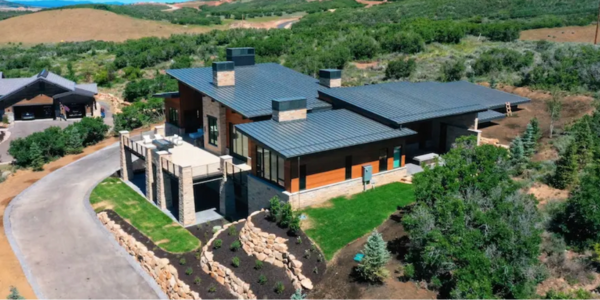
By Viotell Metal Concepts.
Upgrading your roof to meet fire safety codes can help maintain your home insurance coverage and protect your home.
Receiving notice that your home insurance policy won’t be renewed is never welcome news, but it is, unfortunately, a reality for many. The main culprit? Fire safety standards tied to the condition and material of your roof.
As wildfire seasons grow longer and more intense, insurance companies are reevaluating property risk. Homes with older or combustible roofing materials, such as untreated wood shakes or aging shingles, are increasingly flagged as high-risk and denied coverage renewals. Even seemingly minor issues like clogged gutters, broken flashings or overhanging branches can contribute to a failed inspection.
The upside: most of these issues can be addressed with the right improvements. Here at Viotell Metal Concepts, we want homeowners to be aware of the changes they can make to upgrade to fire-resistant roofs and keep their roofs properly maintained, bringing homes back into compliance, protecting properties during fire season.
Why insurance companies are dropping homeowners
Most people assume you need to have had fire damage to lose coverage. Not true. In fire-prone areas, your home might never see a flame and still get flagged, just because of what your roof is made of and how it’s maintained.
The biggest red flags I’ve seen insurers focus on:
- Old wood shake roofing
- Missing or cracked shingles
- Loose or exposed flashing and vents
- Piles of leaves or pine needles on the roof
- Trees hanging over the house
They’re mostly worried about embers during wildfires. If something drifts onto your roof and there's dry debris or a weak spot, it can ignite fast. That’s why your roof condition is a major deal.
Why your roof matters for fire protection
Think about it: your roof is the top layer standing between your home and everything flying around in a firestorm. And it’s not just about the material; it’s also about upkeep. A well-maintained roof is way less likely to catch fire or leak after a storm.
If you're upgrading, here are the top fire-resistant roofing materials insurance companies usually favor:
- Metal roofing – No surprise here. It doesn’t burn, it lasts for decades and it sheds snow and debris like a champ.
- Clay or concrete tile – Also non-combustible and holds up well in high winds.
- Slate – Pricey, but extremely durable and naturally fireproof.
- Class A asphalt shingles – These are standard shingles that have been treated to resist fire.
- Synthetic roofing – Looks like wood or slate but made to handle fire and extreme weather.
Even with the right materials, you’ve got to keep that roof clean and sealed tight. A great product installed poorly or left neglected won’t pass an inspection.
What to do if you’ve been dropped by your insurance
First off, take a breath. You’re not the only one this has happened to. I’ve worked with homeowners who got coverage back just by making a few smart upgrades. Here’s what I usually tell folks:
1 - Call your insurance agent
Find out why you were dropped. If they mention your roof, ask what kind of upgrade would make you eligible again.
2 - Replace the roof with something fire-rated
In most cases, switching to a Class A fire-rated roofing system — like metal or fire-treated shingles — is the fastest way to get coverage back.
3 - Clean up the area around your roof
Cut back trees, remove debris and keep your gutters clear. This helps with both fire protection and curb appeal.
4 - Talk to insurers who work with fire-prone areas
Some companies specialize in homes like ours. If you’ve made improvements, let them know. They may offer more flexibility.
Have a question? AskARoofer.
Find your local roofing contractor in the AskARoofer™ Contractor Directory.
Recommended For You
Raise the bar on safety with the TremSafe® Hatch Guard
Read More ...
Arup partners with USGBC-CA to launch California Wildfire Rebuilding Guide
Read More ...
Eyes in the sky: The new standard for roof inspections
Read More ...



Comments
Leave a Reply
Have an account? Login to leave a comment!
Sign In