











Before the Snow Falls: Is Your Roof Ready?
By Jesse Sanchez.
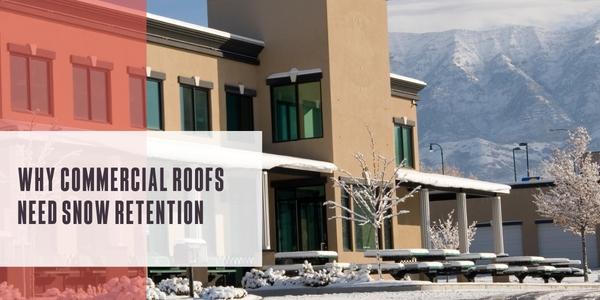
Snow retention systems can help control how snow and ice leave low-slope commercial roofs, reducing the risk of sudden shedding below.
Snow retention may be more commonly associated with steep-slope roofing, but low-slope commercial roofs can also benefit from systems designed to control how snow and ice leave the roof. On this episode of Roofing Road Trips®, host Karen Edwards spoke with Robert Alvarez, South Central representative for Anchor Products, about the role snow retention can play on commercial roofing systems. Robert explained that snow guards and snow fences are designed to hold snow and ice on the roof so it can melt or shed in a more controlled manner rather than coming off in a large mass. He explained, “What that's basically wanting to do is to hold ice and snow up on a roof so it comes down in a more measured manner.”
That consideration can be especially important with single-ply roofing systems, including thermoplastic polyolefin (TPO), polyvinyl chloride (PVC) and ketone ethylene ester (KEE), which Robert described as particularly slippery. Even roofs with minimal slope can experience sliding snow. As use of these systems continues, he noted, “We are seeing a little bit more in new construction where it's being called for.”
Although there is no universal required code for snow retention, Robert said individual municipalities, towns or counties may have their own requirements. Building owners also need to consider what could happen below the roof when snow or ice sheds onto people, vehicles or rooftop equipment. Emphasizing that responsibility, he cautioned, “The liability is on the building owner.”
Selecting the right snow retention approach starts with understanding the roof and project conditions. Anchor Products gathers information including eave-to-ridge dimensions, roof pitch and local snow loads to determine appropriate spacing for brackets and anchors. Its commercial flat-roof options include a two-pipe snow fence system as well as a unitized system for smaller areas requiring spot retention.
For contractors, understanding how roof slope, membrane type and snow load affect system design can help ensure snow and ice are managed more deliberately instead of shedding unexpectedly.
Learn more about Anchor Products in their Coffee Shop Directory or visit www.anchorp.com.
About the author

Jesse is a writer for The Coffee Shops. When he is not writing and learning about the roofing industry, he can be found powerlifting, playing saxophone or reading a good book.
Recommended For You
Rethinking fluid-applied systems
Read More ...
20 years of roofing
Read More ...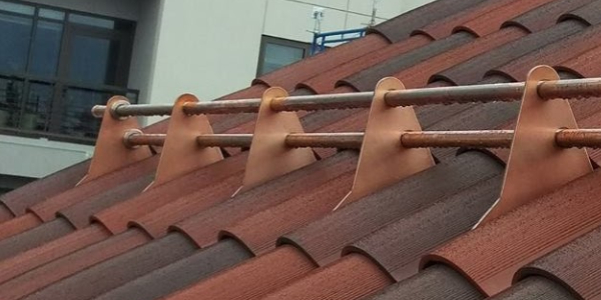
Slipping into the role of leader in snow retention
Read More ...




Comments
Leave a Reply
Have an account? Login to leave a comment!
Sign In