











Addressing attic mold risks through ventilation

By Jesse Sanchez.
Balanced attic airflow reduces moisture buildup and protects structures from long term interior damage.
Roof Saver offers a ventilation approach aimed at limiting attic moisture and heat, thus preventing mold and mildew by moving damp air out before damage develops. Having a balanced ventilation system is crucial and can be achieved by using soffit vents beneath the eaves and a continuous ridge vent along the peak of the roof. This ventilation system allows trapped warmth and humidity to leave the attic space. Relieving that buildup improves indoor comfort while helping homeowners control cooling costs.
Installed along the roof ridge, Roof Saver’s vent profile remains nearly invisible from the ground. Homeowners value its low profile because it preserves the roof and home’s overall aesthetic while still delivering necessary airflow. The rolled ridge vent promotes safer attic conditions by encouraging consistent movement of fresh exterior air and preventing the growth of mold and mildew. Removing hot, moist air also reduces the stress that heat places on roofing materials over time.
The benefits extend beyond warm weather performance. In colder climates, proper ventilation reduces moisture condensation that can accumulate when warm interior air meets cold roof surfaces, helping prevent mold, wood rot and ice-related damage. The system is also designed to resist wind-driven rain infiltration, an important consideration during winter storms.
Air flow across the exterior ridge draws hot attic air upward and outward. That movement simultaneously pulls fresh air through soffit vents at the roof edge. The exchange keeps insulation drier and limits condensation on interior surfaces. Balanced ventilation is a practical step toward longer roof service life and reduced callbacks.
Roof Saver rolled ridge vent is designed to meet attic ventilation requirements in all nationally recognized building codes. The product carries an International Code Council Evaluation Service listing and a Class A fire rating. By managing moisture rather than masking its effects, the system helps avoid structural and cosmetic roof damage.
Learn more about Roof Saver in their Coffee Shop Directory or visit roofsaver.com.
About the author

Jesse is a writer for The Coffee Shops. When he is not writing and learning about the roofing industry, he can be found powerlifting, playing saxophone or reading a good book.
Recommended For You
Safe Stuff PPE to Go!
Read More ...
Haciendo de los collars para tubería un estándar
Read More ...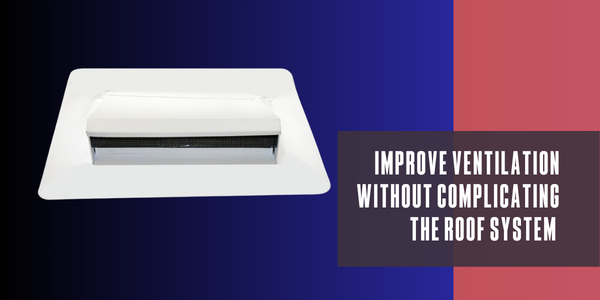
Improve ventilation without complicating the roof system
Read More ...




Comments
Leave a Reply
Have an account? Login to leave a comment!
Sign In