










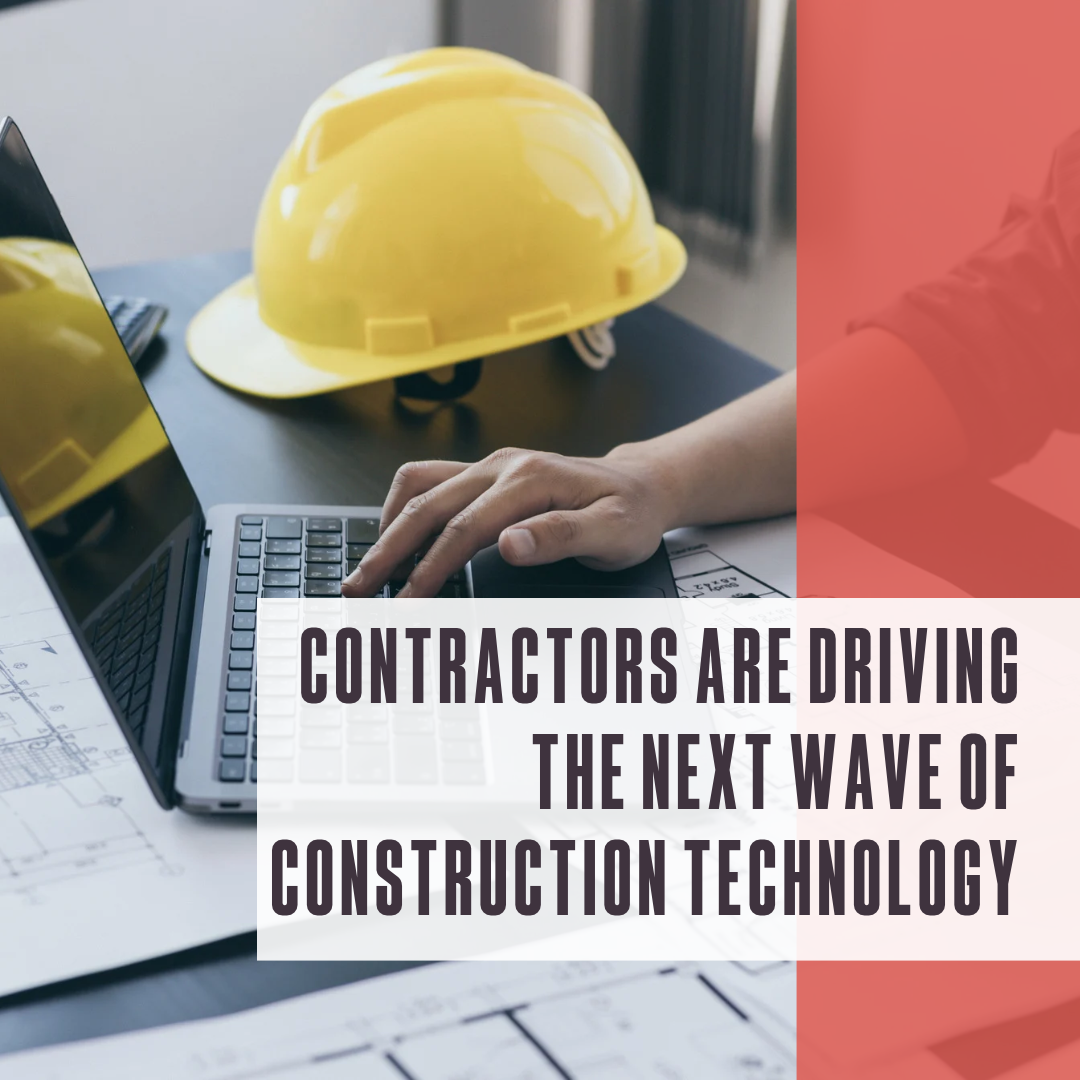
Contractors are driving the next wave of construction technology
By Heidi J. Ellsworth.
Some of roofing's most meaningful technology innovations are being developed by the contractors and industry professionals who understand the challenges firsthand.
For decades, roofing contractors have been asked to do more with less. More projects, tighter margins, increasingly complex specifications and persistent labor shortages have put pressure on businesses to find new ways to work smarter. What is interesting, however, is that many of the industry's most impactful technology solutions are not coming from Silicon Valley. They are coming from people who know roofing.
When contractors and roofing professionals experience the same frustrations year after year, they develop a unique perspective on what truly needs to change. That firsthand knowledge has helped drive some of the industry's most successful software platforms. Companies like AccuLynx, Dataforma and JobNimbus grew by addressing real roofing workflows and operational challenges, demonstrating the value of technology developed with a deep understanding of the industry.
Today, a new generation of technology companies are building on that same philosophy. One example is GPStimate, an AI-assisted takeoff and estimating platform focused on commercial roofing. The platform was designed by veteran commercial estimators and roofing business owners to reduce manual work while keeping the estimator firmly in control. Its approach is very intentional: artificial intelligence assists with measurements and repetitive tasks, while the roofing professional reviews and approves the work.
That distinction is important because commercial estimating remains one of the most complex and labor-intensive functions in roofing. Estimators work through plans, assemblies, manufacturer documentation, warranty requirements, pricing and countless details that can affect the profitability of a project. One overlooked component or incorrect measurement can have consequences long after the bid is submitted, making accuracy just as important as speed.
GPStimate was developed around those realities. According to the company, its technology combines AI-assisted takeoffs with contractor-specific pricing, reusable assemblies and access to manufacturer documentation and requirements. Its AI assistant, Edmond, can help estimators locate warranty information, product data sheets, safety documents and installation guides. Throughout the process, the estimator remains responsible for reviewing and approving the information.
This human-in-the-loop philosophy represents an important direction for construction technology because contractors are not necessarily looking for software that replaces expertise. They need technology that amplifies it, giving experienced professionals better information and more time to apply the judgment they have developed throughout their careers.
That is one of the reasons industry-driven technology companies can be so powerful. The people behind them understand where processes break down because they have experienced those problems themselves. They understand complicated specifications, warranty requirements, labor pressures and the consequences of missing something during an estimate. Just as importantly, they understand that speed has little value if accuracy and professional judgment are sacrificed.
The philosophy is evident in how GPStimate publicly describes its technology. Rather than positioning itself simply as "AI Powered," it emphasizes being "AI Assisted," combining the efficiency of artificial intelligence with people remaining directly involved in the estimating process. This distinction is especially relevant as contractors determine where AI can deliver measurable value instead of simply becoming another technology buzzword.
Artificial intelligence is attracting enormous attention across construction, but the real opportunity is not AI for the sake of AI. It is about finding practical applications that remove friction from businesses and allow roofing professionals to dedicate more time to higher-value work. Estimators should be able to spend less time tracing plans, searching through documents and repeating calculations and more time applying their knowledge to scope, pricing, risk and strategy.
The technologies that ultimately create lasting value will be the ones that solve real problems. They will eliminate repetitive tasks, bring important information together and provide roofing professionals with better tools for making decisions without trying to eliminate the experience behind those decisions. That balance between technology and human expertise will be critical as AI becomes increasingly integrated into roofing businesses.
That is why companies like GPStimate are worth watching. They are part of a larger movement in which roofing professionals are helping shape the technology they want to use. Decades of estimating, selling, installing, servicing and managing roofing projects are being translated into digital tools designed around the way contractors actually work.
For contractors evaluating technology, that may be one of the most important considerations of all. Look not only at what the technology promises but also at the industry knowledge behind it. Does it understand the realities of roofing and solve an actual operational problem? Most importantly, does it make experienced people more effective at what they already do well?
As roofing continues its digital transformation, contractors are no longer simply technology users. Increasingly, they are helping create, influence and improve the technologies that will define the industry's future. Some of the best innovations are coming from people who have spent their careers living the industry's challenges and are now building the tools they always wished they had.
Recommended For You

New Year, A New Look – Check Out Our Upgraded Packaging
Read More ...
Build Your Roofs on Trust and Reliability
Read More ...
JobNimbus launches Enterprise solutions for multi-location roofing operators
Read More ...





Comments
Leave a Reply
Have an account? Login to leave a comment!
Sign In