






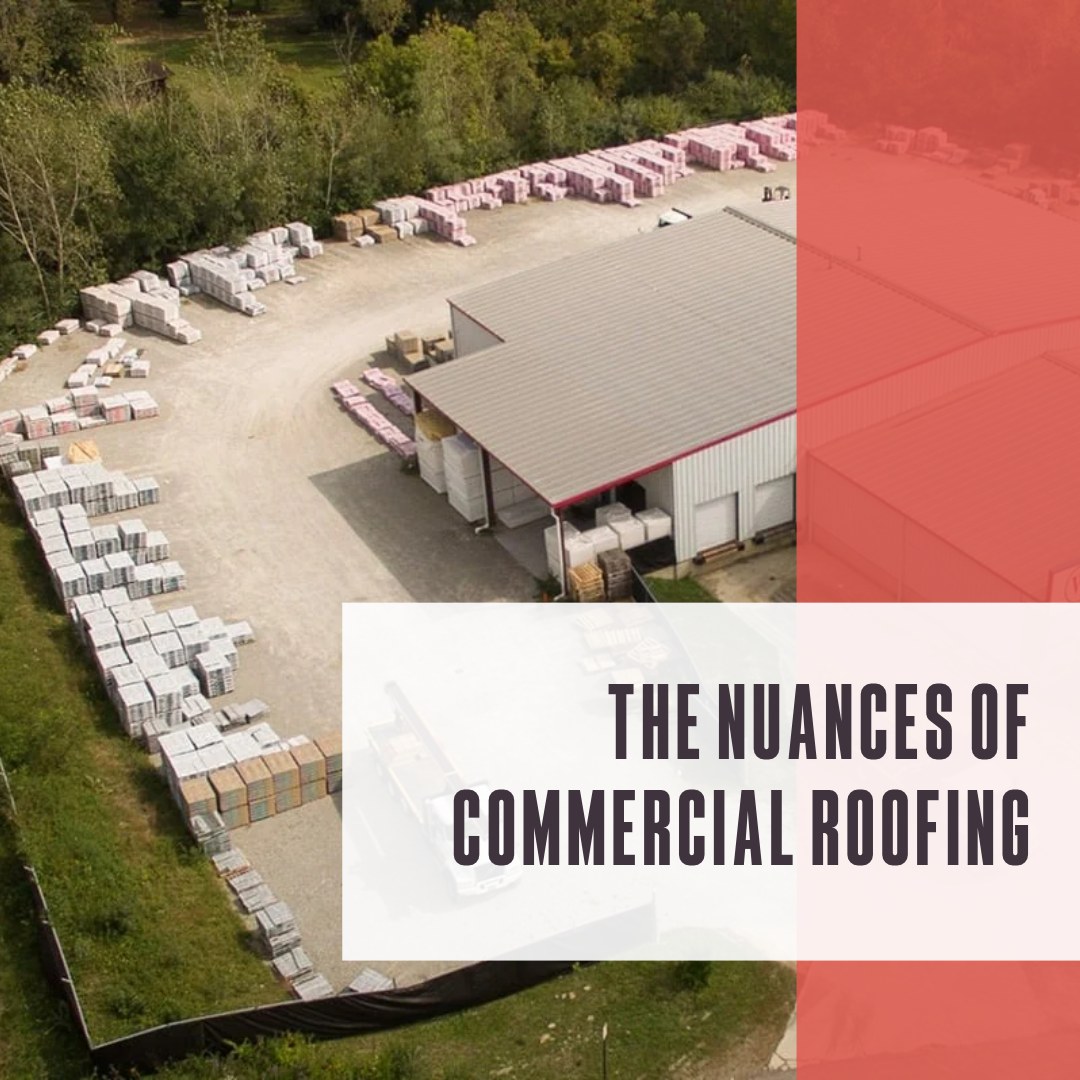
The nuances of commercial roofing
By Emma Peterson.
Learn why specialized expertise matters for long-term building performance and what to look for in a commercial roofing partner.
Expanding into commercial roofing is a very attractive and rewarding prospect for many contractors. Not only does it increase the number of projects available to you (something very important in a competitive industry), but it also creates more opportunities for repeat business through maintenance and service work. There are several factors to consider when making the choice to transition to commercial roofing, but the journey can be made easier when you have a team behind you, like SRS Distribution, who can guide you along the way.
There are a variety of ways commercial roofing is different than residential. Take the equipment as an example. For many residential contractors, a nail gun is their primary tool. But when you make the move to commercial roofing, it looks a bit different. Low-slope roofs are often made of membranes and other materials that require specialized equipment, like heat-welding tools or spray rigs to install properly. And not only do contractors making the move to commercial need to invest in these new tools, but they also need to invest in the training to ensure their crews know how to use them properly in the field.

And equipment is just the start. Another difference between commercial and residential roofing is crew size. Residential roofs tend to be smaller than commercial ones and can be generally reroofed by crews of four to six people. Alternatively, commercial roofs, depending on the size of the building, require much larger crews. For many contractors, making the move to commercial requires expanding your crew, otherwise it might be difficult to keep up with the timelines your competitors are able to offer.
Last but not least, there are different safety requirements that come with a commercial project. Where residential contractor safety includes being tied off and having a proper trash disposal plan, commercial roofers must contend with roof access points, safety perimeters and more. Learning these new requirements takes time but it is crucial to keep your crew safe and your project compliant with safety regulations like those outlined by OSHA.
All this can make the move to commercial roofing feel daunting. But you don’t have to do it alone! There are many roofing manufacturers and distributors who have teams happy to help contractors learn how to navigate a new market. Take SRS Distribution for example. Every SRS branch has a commercial roof specialist team that is ready to help you with every part of the commercial process, from product selection to final walk.
Learn more about SRS Building Products’ commercial offerings in their Coffee Shop directory or visit www.srsdistribution.com.
About the author

Emma is the senior content developer at The Coffee Shops and AskARoofer™. When she's not working or overthinking everything a little bit, she enjoys watching movies with friends, attending concerts and trying to cook new recipes.
Recommended For You

The importance of proper roof slope
Read More ...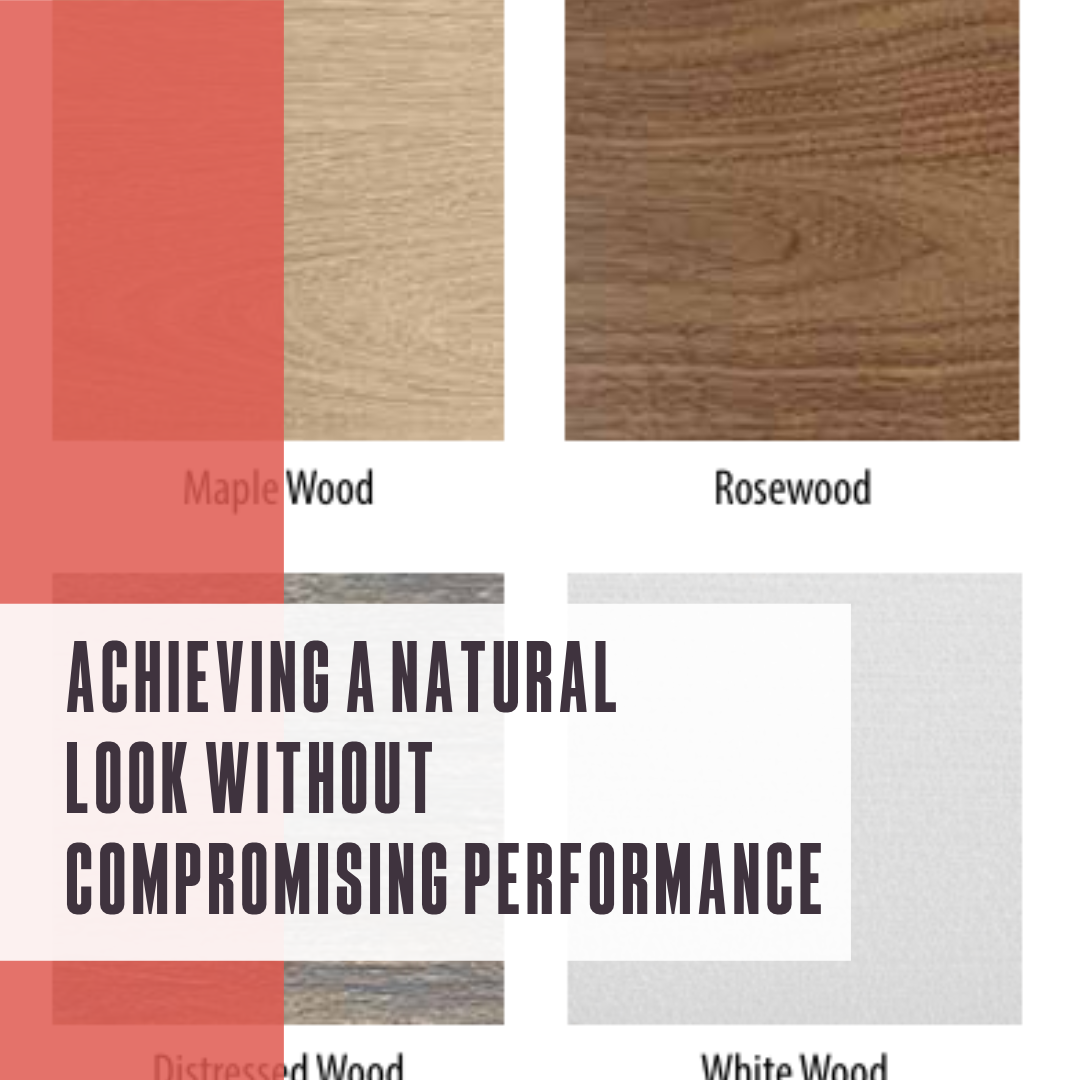
Achieving a natural look without compromising performance
Read More ...
Fall roofing readiness
Read More ...



Comments
Leave a Reply
Have an account? Login to leave a comment!
Sign In