






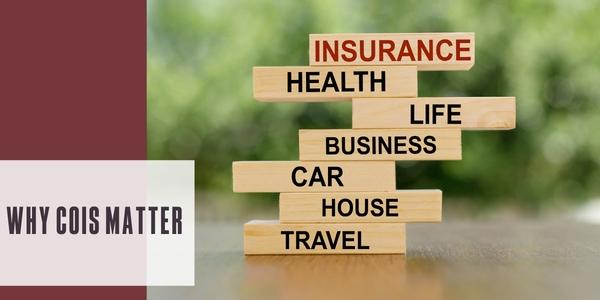
Why COIs matter
By Jesse Sanchez.
Strong certificate management can help contractors and trade businesses reduce risk, document coverage and protect financial stability.
For contractors and trade businesses, certificates of insurance (COIs) can seem like routine paperwork; something exchanged before a job begins, filed away and rarely revisited. But Integrity Insurance & Bonding emphasizes that when subcontractors or vendors are part of a project, properly managing those certificates becomes an important layer of protection against unexpected liability and financial loss.
Businesses across construction, landscaping, logging, brewing, salon services and other service-based industries take on additional risk when they hire outside companies. A COI helps verify that those businesses carry active insurance coverage, including liability and workers’ compensation protection. Without that verification, a company may be relying on assumptions instead of documentation.
That gap can become costly when something goes wrong. If a subcontractor causes property damage, an injury occurs or an uninsured employee is involved in an accident, the hiring business may also become part of the claim. In those situations, missing or outdated documentation can complicate the response and create expensive consequences.
Insurance carriers are also placing greater emphasis on subcontractor management. Many insurers now ask how businesses verify coverage, track certificate expiration dates and manage written agreements. Inconsistent procedures or poor documentation can affect insurance costs and coverage options, making certificate management a business issue as much as an administrative one.
Strong COI practices do not have to be complicated. Businesses should collect updated certificates before work begins, confirm that coverage limits meet project requirements and use written contracts that clearly outline responsibilities and insurance expectations. Organized records are also essential, and digital tracking systems can help monitor expiration dates and prevent gaps in documentation throughout the year.
Certificates of insurance may appear to be a small administrative detail, but they play a meaningful role in reducing risk and supporting long-term stability.
Learn more about Integrity Insurance & Bonding Inc. in their Coffee Shop Directory or visit www.integrityibi.com.
About the author

Jesse is a writer for The Coffee Shops. When he is not writing and learning about the roofing industry, he can be found powerlifting, playing saxophone or reading a good book.
Recommended For You

Why Buy a Portable Roof Panel Rollforming Machine?
Read More ...
TopShield® Caulk and Paints Help Boost Productivity and Increase Profitability
Read More ...
IKO launches IKO Metals, bringing DECRA stone-coated steel roofing into its North American portfolio
Read More ...



Comments
Leave a Reply
Have an account? Login to leave a comment!
Sign In