











What is metal composite material?
By Emma Peterson.
Learn about the history of a tried and true material in metal construction.
In an article that was sponsored by Metal Construction Association’s Metal Composite Material Alliance and published in Architectural Record, Jessica Jarrad, an independent writer and editor, explored the past, present and future of MCM panels. One of the big things she highlighted was the way products that are not actually MCM are often marketed as such.
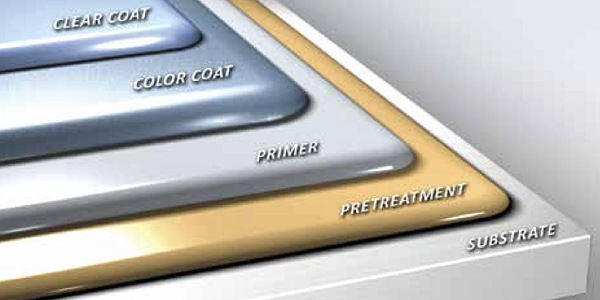
Metal composite material (MCM) is a unique category of factory-manufactured panels that are composed of metal skins bonded to a solid plastic core. These panels are often used on the exterior cladding of buildings to protect them from the elements and offer an aesthetically pleasing facade. The skin portion of the MCM is what gives the panels durability and strength. Skins have a minimum thickness of 0.019 inch (0.5 millimeter) in order to count as a weather covering by the International Building Code (IBC). In general, the thicker the skin, the more resilient the product will be to normal exposure.
The history of MCM begins in Europe with aluminum composite material (ACM). First developed in 1969, ACM found its way to the new world a decade later, when it was produced in North America. From that first production in 1979, the 1980s saw a fair amount of ACM production and it was a commonplace product in the 1990s. As technology developed, manufacturers moved beyond only using aluminum coil as a skin. This expansion into new materials for skins brought three main functional benefits:
- Providing architects and specifiers with more visual options with the choice between painting the substrate or leaving it in its natural state.
- Transferring wind loading from the surface of the panel to the anchoring system.
- Improving the overall fire performance of the panel.
It was this inclusion of new materials (such as copper, zinc, steel, stainless steel and even titanium) that heralded the name change from ACM to the MCMs we know today.
Read the full article by Jessica Jarrard in Architectural Record!
Learn more about Metal Construction Association (MCA) in their Coffee Shop Directory or visit www.metalconstruction.org.
About the author

Emma is the senior content developer at The Coffee Shops and AskARoofer™. When she's not working or overthinking everything a little bit, she enjoys watching movies with friends, attending concerts and trying to cook new recipes.
Recommended For You
Helmet Heat® by Gutter Helmet® Prevents Ice Dams
Read More ...
Delivering the new gold standard in rooftop safety and efficiency
Read More ...
Job-site protection becomes a business advantage
Read More ...


Comments
Leave a Reply
Have an account? Login to leave a comment!
Sign In