











What contractors should know about ES-1 edge metal
By The Coffee Shops®.
Why you should care about perimeter protection.
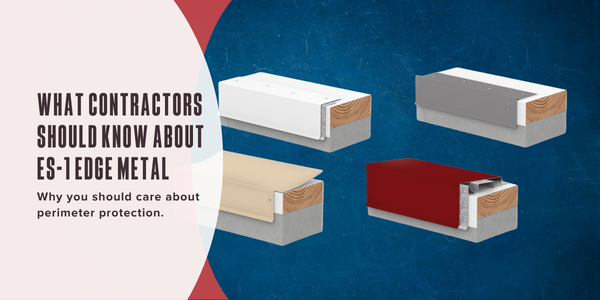
For many roofing contractors, conversations about ES-1 edge metal often start and end with wind. According to According to FlashCo’s 5 Common Misconceptions about ES-1 Edge Metal guidebook by FlashCo, the standard is commonly associated with hurricane-prone coastal regions, high-rise buildings and locations that experience severe weather events. While wind resistance is certainly a key benefit of ES-1 compliant edge metal, assuming it only matters in high-wind areas is one of the most persistent misconceptions in commercial roofing. The reality is that every commercial roof relies on a properly installed perimeter system to protect the building and preserve long-term roof performance. The roof perimeter is widely recognized as one of the most vulnerable areas of a commercial roofing system, making edge metal a critical component regardless of geographic location.
Edge metal serves several functions at once. It helps secure the roof edge, protects the building perimeter from weather-related forces and contributes to the overall durability of the roofing assembly. While dramatic wind events receive the most attention, commercial roofs face constant stress from changing weather conditions, thermal movement and everyday exposure to the elements. Even moderate wind activity can place pressure on the roof edge. When that perimeter is not adequately protected, it can become a starting point for larger roofing failures. ES-1 compliant edge metal has been tested to resist specific applied loads, providing contractors with a proven solution for strengthening one of the roof's most susceptible areas.
Water management is another reason contractors should look beyond the misconception that ES-1 only matters in windy environments. Roof edges play an important role in directing water away from the building and protecting fascia from damage. Edge metal helps seal the perimeter and create a transition point between the roof system and the building exterior. Without a reliable perimeter system, moisture can find its way into vulnerable areas and contribute to costly repairs over time. ES-1 compliant edge metal supports both wind resistance and water protection, making it valuable in virtually every climate.
Another factor to pay attention to is code compliance. The ANSI/SPRI/FM 4435/ES-1 standard is part of the International Building Code and is frequently incorporated into local building requirements. Because of this, contractors often encounter ES-1 requirements on projects regardless of whether they are working in a coastal city, the Midwest or an inland metropolitan area. Treating ES-1 as only a regional concern can create challenges during project planning, inspections and final approvals.
Building owners today are paying closer attention to long-term roofing performance than ever before. They want systems that can withstand unpredictable weather, reduce potential maintenance issues and extend roof life expectancy. A properly designed roof perimeter contributes directly to those goals. ES-1 compliant edge metal helps provide confidence that the perimeter system has been tested and designed to perform under real-world conditions. Contractors who understand this can better educate clients and position themselves as trusted roofing professionals.
Ultimately, ES-1 should not be viewed as a specialty requirement reserved for regions with extreme weather. It is a critical part of modern commercial roofing that helps protect buildings, improve durability and support code compliance. Contractors who embrace perimeter protection as an essential component of roof performance can deliver stronger, more reliable roofing systems that stand the test of time.
Learn more about FlashCo in their Coffee Shop Directory or visit www.flashco.com.
Recommended For You
Everything you need to know about the 2026 Deck Expo
Read More ...
Regional trade shows strengthen roofing industry connections
Read More ...
Ice Damming 101 – Part One
Read More ...




Comments
Leave a Reply
Have an account? Login to leave a comment!
Sign In