










Parking structure service and maintenance creates long-term value
By Heidi J. Ellsworth.
In the business of asset preservation, developing long-term maintenance strategies is the key to success.
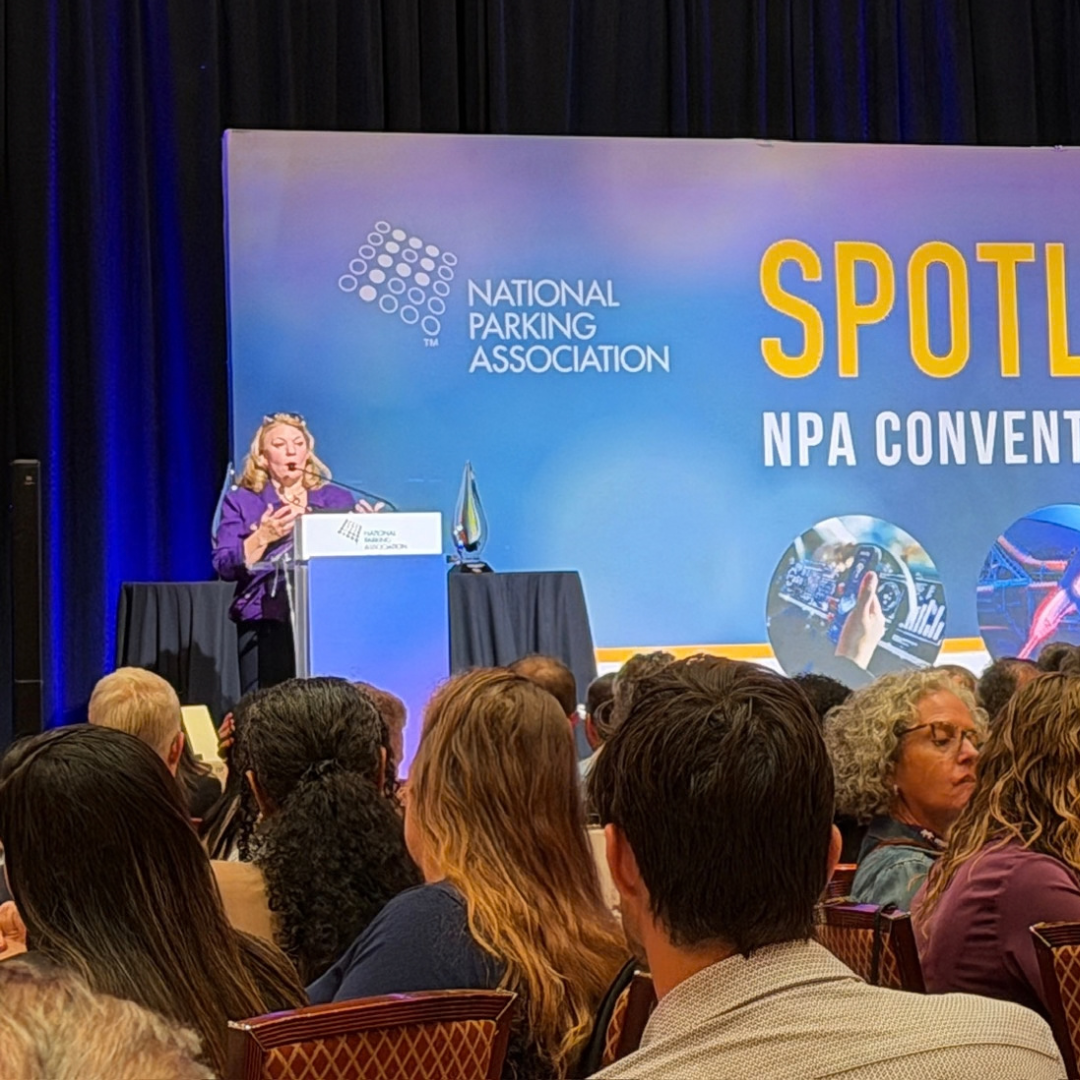
One of the greatest benefits of attending industry events outside our own market segments is the opportunity to learn how other professionals approach the challenges of maintaining and protecting critical infrastructure. During my time at the National Parking Association Convention & Expo, I discovered that parking professionals share many of the same priorities as roofing, waterproofing and restoration contractors. They are focused on extending service life, protecting valuable assets and developing long-term maintenance strategies that reduce risk, control costs and ensure facilities continue serving the public for decades.
In my previous article, "Women in parking continue to redefine leadership in a growing industry," I highlighted the people, mentorship and leadership development helping shape the future of the parking industry. Equally impressive was the industry's commitment to preventative maintenance and asset preservation. Throughout the convention, conversations repeatedly returned to one central theme: the most successful organizations do not wait for infrastructure to fail. They plan, budget and invest in maintenance long before problems become costly repairs.
One of the most insightful conversations I had during the event was with a team from a large municipal parking operation. As we discussed the challenges of maintaining parking structures, they shared their philosophy on preventative maintenance and long-term asset management. Rather than viewing restoration as a reaction to deterioration, they approach it as a planned process that protects the entire structure throughout its lifecycle.
Their strategy includes scheduled evaluations and maintenance programs every three to five years, bringing together engineers, waterproofing specialists and restoration contractors to assess the condition of facilities. These reviews help identify potential issues before they become major problems while ensuring paving surfaces, walls, waterproofing systems and structural components continue to perform as intended. It is a disciplined approach that prioritizes preservation instead of emergency repairs.
Another fascinating conversation was with professionals responsible for parking operations at an international airport. Their perspective expanded the maintenance discussion beyond restoration and into the future of transportation infrastructure. They shared how contractors regularly bid on projects involving paving, concrete restoration, architectural facades, barrier systems and other improvements designed to keep parking facilities safe, attractive and functional.
What stood out most was their comprehensive approach to planning. Along with routine maintenance and weather-related repairs, they are evaluating seismic upgrades and infrastructure improvements that will help accommodate evolving transportation needs. Their focus is on ensuring parking facilities continue meeting public expectations while adapting to emerging technologies and services.
That forward-thinking approach includes preparing for expanded EV charging infrastructure, the growth of autonomous vehicles and the continued demand for valet and shuttle services. For restoration contractors, this is an important reminder that parking structures are no longer simply places to store cars. They are becoming increasingly sophisticated transportation hubs that must evolve alongside the changing ways people travel.
As I listened to these conversations, I could not help but think about the parallels to roofing and building envelope management. Too often, owners delay maintenance until leaks, deterioration or operational problems force action. Parking professionals, however, increasingly view preservation as an ongoing investment. By scheduling assessments and addressing issues early, they can avoid much larger and more expensive repairs while extending the useful life of their assets.
For waterproofing, restoration and protective coatings contractors, that mindset creates significant opportunities. Parking structures rely on systems designed to protect concrete and steel from moisture intrusion, corrosion, freeze-thaw cycles and daily wear. Maintaining those systems requires expertise in inspections, restoration, waterproofing, coatings and long-term maintenance planning.
The conversations also highlighted the collaborative nature of successful preservation programs. Owners, engineers, architects and contractors work together to develop strategies that address current needs while preparing for future demands. Whether that future includes structural upgrades, new technologies or changing transportation patterns, facility owners understand that investment today protects performance tomorrow.
Perhaps the biggest takeaway from my discussions with parking professionals was simple: maintenance is not an expense. It is an investment. The organizations achieving the greatest success are those that view preservation as a critical component of asset management rather than a response to failure. Every dollar spent on maintaining infrastructure today helps protect against much larger costs in the future while ensuring facilities remain safe, functional and relevant.
As CoatingsCoffeeShop® continues exploring industries that depend on waterproofing, restoration and protective coatings, the parking industry stands out as a market that truly appreciates the value of long-term planning. For contractors looking to expand their businesses, it offers important lessons on asset preservation and a growing number of opportunities tied to modernization, transportation technology and infrastructure maintenance.
Editor's Note: In Part One of this series, Women in Parking Continue to Redefine Leadership in a Growing Industry, we explored how mentorship, leadership development and a strong culture of support are helping shape the future of the parking industry. This second installment shows that the same commitment to long-term success extends to the facilities themselves, where proactive maintenance, restoration and modernization continue to create value for both owners and the communities they serve.
Stay up to date with the latest industry news when you sign up for the Coffee Shop eNews.
About the author

As CEO of The Coffee Shops, Heidi has been working and writing in the construction industry for over 30 years. She is active in many associations including founding National Women in Roofing and Roofing Technology Think Tank (RT3). She is passionate about helping to shine a light on the construction industry and creating win-win-win scenarios!
Recommended For You
Why distilleries and breweries are choosing metal building systems
Read More ...
What scaling demands from your software
Read More ...
Resilient leadership: The real edge in roofing business growth
Read More ...




Comments
Leave a Reply
Have an account? Login to leave a comment!
Sign In