






OSHA inspection 101

By Emma Peterson.
Trent Cotney walks you through your rights for when OSHA comes to the jobsite.
OSHA, or the Occupational Safety and Health Administration, is the regulatory agency within the United States’ Department of Labor (DOL). It has existed since 1970 and its role is to protect U.S. workers “by setting and enforcing standards; enforcing anti-retaliation provisions of the OSH Act and other federal whistleblower laws; providing and supporting training, outreach, education and assistance; and working collaboratively with state OSHA programs.” In other words, OSHA is a regulatory body that ensures business and workspaces are compliant with health and safety standards. And one of the most common ways every day workers will encounter OSHA agents is during inspections.
OSHA has jurisdiction and the ability to inspect any of the over seven million worksites in the U.S., including yours. These inspections performed by compliance safety and health officers, are often conducted without advanced notice, which can make them intimidating to contractors that don’t know what to expect when an OSHA officer suddenly knocks on their door. To alleviate this intimidation, Trent Cotney of Adams and Reese explained on one of our Read Listen Watch® (RLW) webinars what you can expect from an OSHA inspection.
Trent started from the very beginning – how an OSHA officer will introduce themselves, sharing, “Typically what happens is, if you're up on a job site, they'll show credentials and they'll say, ‘I am here because of X.’ It's important that the site supervisor get that information, because what that's going to do is kind of put that investigation in a box.” What does Trent mean by putting it in a box? If they say, “I'm out here because I saw four guys on a roof without fall protection,” that means that they will only inspect stuff related to that incident and not other areas, like your trailers.
Similar to making sure you establish an understanding of the parameters of the inspection, it is important that you assert your rights. For example, you have a right to have counsel present when speaking to the inspecting official, but they are not required to tell you that. You need to assert that right. Same with translators.
As for the inspection itself, the most important thing to do is to secure the site by pausing or even stopping work. Trent explained:
You have to stop work. And I don’t mean you sound an alarm and everyone runs. But from a safety standpoint, you don't want your site supervisor to not be focusing on the crew and instead focusing on OSHA. So, tell your crew to go on lunch, maybe even stop work for the day, whatever you need to make sure that you can secure the site, that it's safe and that your attention isn't diverted from managing your people.
He went on to share a real-world story that showcases why securing the site is so important during an OSHA inspection:
In 2002, I was representing an underground utility contractor that was digging a ditch outside of a building. And he had some problems, like a lack of a trench box and other stuff. An OSHA officer comes out to inspect, finds some issues and then is doing the closing conference to wrap up the inspection. And while they're doing the closing conference, one of the crew jumps into the ditch, grabs his lunch pail and scurries out of it. And just that resulted in another $5,000 fine. Now, had work stopped, had the crew gone off the site, then that would never happen.
This is just the tip of the iceberg when it comes to what to expect and how to professionally manage an OSHA inspection. If you want to learn more, Trent is an invaluable resource. In fact, he wrote an entire book on the topic – OSHA Defense: Know Your Rights!
In addition to reading Trent’s book, you can Listen or Watch to the rest of this RLW for more information about OSHA and handling jobsite inspections.
Learn more about Adams & Reese LLP in their Coffee Shop Directory or visit www.adamsandreese.com.
The information contained in this article is for general educational information only. This information does not constitute legal advice, is not intended to constitute legal advice, nor should it be relied upon as legal advice for your specific factual pattern or situation.
About the author

Emma is the senior content developer at The Coffee Shops and AskARoofer™. When she's not working or overthinking everything a little bit, she enjoys watching movies with friends, attending concerts and trying to cook new recipes.
Recommended For You
Roofing Alliance issues call for funding proposals
Read More ...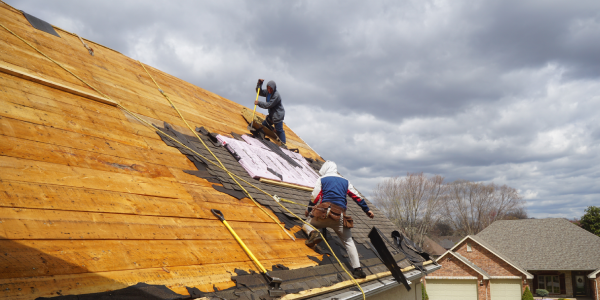
Learn how worker compensation rates affect economy, date accuracy and more
Read More ...
WSRCA Releases New Dates and Venue for the Western Roofing Expo 2021
Read More ...




Comments
Leave a Reply
Have an account? Login to leave a comment!
Sign In