









Finding the source of metal roof leaks
By Jesse Sanchez.
Properly repairing failed metal roof joints can prevent trapped moisture, corrosion and premature roof replacement.
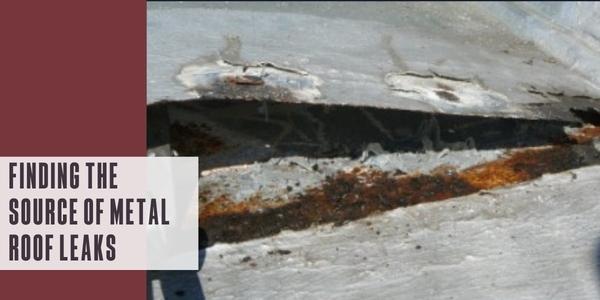
According to Benchmark, metal roof panels are designed to resist water, hail, punctures, temperature changes and ultraviolet light, but the joints connecting those panels can become vulnerable when sealants are missing, damaged or improperly installed. Steel sheets themselves are impervious to leaks. Water typically enters through areas where two or more sheets meet, including panel side laps, end laps, perimeter flashings and roof penetration flashings. Gaps or poor alignment between sheets can make these joints difficult to seal effectively.
Metal roof manufacturers commonly use butyl rubber tape or pumpable butyl sealants to form watertight and airtight gaskets between panels. These sealants remain pliable throughout their service life, allowing the joint to move while continuing to resist water and air infiltration. Because ultraviolet light can cause butyl sealants to become brittle and deteriorate, they must remain concealed within the joint.
When investigating a leak, facility professionals should inspect sheet metal lap joints for gaps, voids or failed sealant. A small wire probe can help determine whether sealant is present and continuous within the joint. Proper repairs generally require removing the fasteners, opening and cleaning the joint, installing new sealant and replacing the fasteners. When a joint cannot be fully opened, a moisture-curing polyurethane sealant can provide an effective alternative because it is compatible with butyl rubber and can bond to imperfect surfaces.
Topical coatings, caulking and membrane patches may not address the underlying joint failure. Poorly adhered materials can trap moisture against the steel, accelerating corrosion in the panels and, in severe cases, the supporting structural members.
Installing new sealant within the joint is almost always less expensive and more effective than applying a topical repair. With regular inspections and maintenance, a metal roof can provide 25 to 40 years of service.
Learn more about identifying and properly repairing metal roof leaks at Benchmark Inc!
Learn more about Benchmark in their Coffee Shop Directory or visit www.benchmark-inc.com.
About the author

Jesse is a writer for The Coffee Shops. When he is not writing and learning about the roofing industry, he can be found powerlifting, playing saxophone or reading a good book.
Recommended For You

ServiceTitan announcing new and expanded capabilities at Pantheon 2026
Read More ...
Flex to extend the season
Read More ...
Is self-adhered roofing right for your project?
Read More ...



Comments
Leave a Reply
Have an account? Login to leave a comment!
Sign In