







Ethical AI integration in roofing operations: Balancing efficiency, trust and the human element
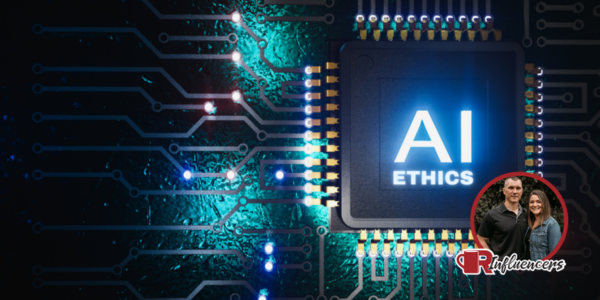
RCS Influencers Ashley and Seth Pietsch say with AI, roofing contractors can streamline operations.
The integration of artificial intelligence (AI) in roofing operations offers tremendous potential for improving efficiency, decision-making and risk management. However, contractors must implement AI ethically to maintain transparency, trust and the human element in their business. Here’s how they can achieve that balance:
1 - Prioritize transparency and explainability
AI should not be a black box — contractors must understand and clearly communicate how AI tools influence business decisions. Whether using AI-driven estimating software, drone inspections or automated claims processing, transparency is key to maintaining trust with customers, employees and partners.
- When using AI to generate estimates, explain how data is sourced, how the AI calculates costs and why it’s an enhancement, not a replacement, for human expertise.
- If implementing AI chatbots for customer service, ensure customers can easily escalate issues to a real person when needed.
2 - Maintain human oversight and decision-making
AI should support, not replace human decision-making. In roofing, where safety, project quality and customer relationships are paramount, human oversight is essential.
- AI tools can analyze weather patterns, safety risks and material costs, but the final call on a project should always involve experienced professionals who can apply their judgment and expertise beyond what AI predicts.
- When using AI-powered claims documentation tools, verify AI-generated reports with real inspections to ensure accuracy and prevent potential disputes.
3 - Use AI to enhance customer trust and experience
AI can improve communication and customer experience when used ethically. Contractors can leverage AI-driven CRM (Customer Relationship Management) tools to:
- Provide faster, more personalized responses to inquiries.
- Automate follow-ups, ensuring clients stay informed throughout the project.
- Use AI to analyze customer feedback and proactively address common concerns or pain points.
4 - Ensure data privacy and security
AI often requires data collection, and customers need assurance that their information is secure and not misused. Contractors should:
- Implement strict data protection policies when using AI-driven tools.
- Only collect essential data and be transparent about how it’s used.
- Partner with reputable AI providers that comply with industry regulations and best practices.
5 - Invest in AI training for teams
Employees may fear AI as a job replacer, but contractors can shift the mindset to see it as a tool for efficiency and growth. Provide proper training so teams understand how AI works and how it helps them be more productive and effective, rather than replacing their roles.
- Train estimators, project managers and office staff on how to use AI-enhanced tools effectively.
- Highlight AI as a collaborator that reduces manual, repetitive tasks — freeing up time for high-value human interactions.
By integrating AI ethically and strategically, roofing contractors can streamline operations while strengthening trust, transparency and the human element in their businesses. AI should be seen as a supportive partner — enhancing safety, efficiency and customer experience — while keeping human expertise at the forefront.
Ashley Pietsch is the vice president and Seth Pietsch is the president of Integrity Insurance & Bonding Inc. Read their full bios here.
Recommended For You

Ethical AI use can boost business
Read More ...
Balancing AI automation with human contact and integrity
Read More ...
Balancing innovation with integrity
Read More ...




Comments
Leave a Reply
Have an account? Login to leave a comment!
Sign In