











Building science connects every corner of construction
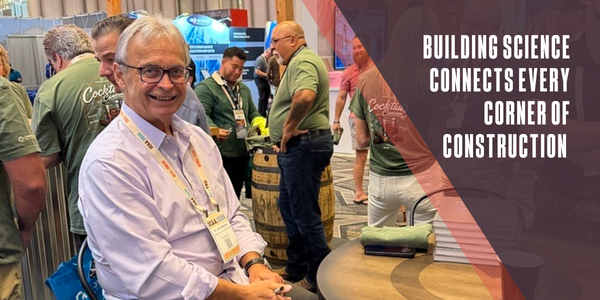
By Heidi J. Ellsworth.
Moisture management is more than an insulation challenge; it is a building performance principle that impacts roofing, metal construction, coatings and outdoor structures alike.
One of the greatest benefits of attending industry conferences is the opportunity to step outside our individual specialties and learn from experts whose work impacts the entire construction industry. That is exactly what is happening this week at the ICAA Convention and Trade Show, where insulation contractors, manufacturers, consultants and industry leaders have gathered to share knowledge, explore emerging technologies and discuss the future of building performance. From workforce development and energy efficiency to advances in insulation systems and building enclosure design, the conference is delivering valuable insight for professionals who understand that durable, high-performing buildings begin with a strong foundation in building science.
The conference opened with a presentation from Joseph Lstiburek, one of the most influential voices in building science today. His session, "Moisture Happens: Controlling Risk in Hybrid Insulation Assemblies," may have been part of an insulation conference, but the lessons extended far beyond insulation and spoke directly to every segment of the building envelope. Joseph Lstiburek is widely recognized for his work in building science and building enclosure performance through Building Science Corporation.
As I listened to the presentation, I kept thinking about the conversations we have every day across The Coffee Shops®. While each market focuses on its own products and practices, moisture moves throughout an entire structure without regard for trade boundaries. Water vapor, airflow and temperature affect roofs, walls, insulation systems, coatings and outdoor structures in ways that can either enhance performance or create costly failures. The science behind that movement remains one of the most important factors in determining how buildings perform over time.
For more than four decades, Joseph Lstiburek has helped the construction industry understand that buildings function as interconnected systems rather than collections of individual materials. His career has focused on investigating building failures and translating those lessons into practical guidance for architects, engineers and contractors. His contributions have helped shape building codes and construction practices throughout North America, especially in the areas of air barriers, vapor control and moisture management.
What makes his presentations so compelling is his ability to explain complex concepts in a way that is both entertaining and practical. During this session, he walked attendees through the relationship between moisture, air movement and temperature while explaining why many moisture-related failures begin long before visible damage appears. Understanding condensation requires understanding both building science and chemistry, and Lstiburek has an extraordinary ability to make those disciplines understandable for contractors and construction professionals.
One of the most interesting aspects of the presentation was the way he used chemistry to explain what happens inside a building assembly. As temperatures change, so does the ability of air to hold moisture. Warm air can carry more water vapor than cold air. When that moisture-laden air reaches a cooler surface and falls below its dew point, the vapor changes into liquid water. While the science itself is straightforward, the consequences can be significant when it occurs inside walls, roof assemblies or insulation systems. Understanding where condensation is likely to occur and how assemblies respond to that moisture is essential to designing buildings that perform as intended.

The discussion reinforced something we frequently talk about on RoofersCoffeeShop®. Today's roofing contractors are increasingly becoming building envelope professionals. Modern roofs do much more than protect buildings from weather. They influence energy performance, indoor comfort and moisture management throughout the structure. As assemblies become tighter and more energy efficient, the opportunity for unintended moisture accumulation grows. The ability to control air movement, manage drying potential and understand condensation risk is often the difference between long-term performance and premature failure.
The same principles apply to metal construction. MetalCoffeeShop® regularly covers innovations in metal building systems, yet moisture remains one of the industry's most persistent challenges. Metal surfaces respond quickly to temperature changes, creating conditions where condensation can occur if assemblies are not properly designed. Insulation strategies and air management must work together to keep moisture from becoming trapped where it can compromise performance. Listening to Lstiburek was a reminder that successful metal buildings require a thorough understanding of how heat, air and moisture move through the entire assembly.
His comments also led me to think about the growing role of coatings across commercial, industrial and institutional construction. Restoration coatings, roof coatings and protective coating systems are being used more than ever to extend service life and improve sustainability. Yet an important question remains. Are contractors considering how those coatings interact with moisture movement within the building assembly? A coating may provide outstanding protection, but building science still governs what happens beneath the surface. Understanding vapor drive, drying potential and temperature changes is essential to achieving the long-term results building owners expect.
Even the outdoor living market can benefit from these lessons. Whether it is a pavilion, pergola, outdoor kitchen or another exterior structure, moisture remains a constant factor. Materials expand and contract as temperatures change. Condensation forms under the right conditions. Durability depends on how well those realities are addressed in design and construction. The same principles discussed at ICAA apply just as readily to outdoor structures as they do to commercial buildings.
What stood out most throughout the session was the reminder that moisture management is not an insulation topic, a roofing topic or a coatings topic. It is a building performance topic that touches every segment of construction. Water, air and heat continue to follow the same laws of physics and chemistry regardless of the materials being installed. The professionals who understand those interactions are better equipped to deliver buildings that last longer, perform better and provide greater value throughout their service life.
As the ICAA conference continues, attendees will learn about innovative products, evolving technologies and new installation methods. Yet the event began with a valuable reminder that some of the most important lessons in construction are rooted in understanding the fundamentals. Thanks to industry leaders like Joseph Lstiburek, those fundamentals continue to guide the industry toward smarter, more durable and more resilient buildings. The materials may change and the technologies will continue to evolve, but the science behind moisture movement remains one of the most powerful tools available to anyone involved in the building envelope.
For anyone involved in insulation, roofing, metal construction, coatings or outdoor living, the education shared at the ICAA Convention and Trade Show is a reminder of why industry engagement matters. Organizations such as ICAA continue to bring together experts, researchers, manufacturers and contractors who are advancing building science and helping the industry build better. If you are not already involved, consider becoming an ICAA member and attending future conferences. The opportunity to learn directly from experts like Joseph Lstiburek, collaborate with peers from across North America and gain a deeper understanding of the science behind building performance can provide lasting value for your business, your team and the customers you serve. In an industry that is constantly evolving, access to this level of education and professional development is one of the best investments you can make.
Get involved with ICAA and explore future educational opportunities by visiting the ICAA website!
Learn more about Insulation Contractors Association of America (ICAA) in their Coffee Shop Directory or visit insulate.org
About the author

As CEO of The Coffee Shops, Heidi J. Ellsworth has been working and writing in the construction industry for more than 30 years. She is an active industry leader, serving on the boards of the National Roofing Contractors Association (NRCA) and the Roofing Alliance, and is a founder of National Women in Roofing and Roofing Technology Think Tank (RT3). Heidi is passionate about shining a light on the construction industry while telling the stories of our great industries.
Recommended For You

S-5! offers accredited education and showcases its latest snow retention innovation at METALCON
Read More ...
New Certification Program Changes Everything
Read More ...
2027 CRCA Trade Show and Seminars brings roofing education and innovation to Chicago
Read More ...






Comments
Leave a Reply
Have an account? Login to leave a comment!
Sign In