











Building materials for a more wildfire-resilient future
By Karen L. Edwards.
As more homes face wildfire exposure, researchers are exploring new ways to improve the fire performance of the materials surrounding them.
Wildfire resilience isn't only about what happens when flames reach a building. Burning embers, radiant heat and direct flame exposure can all threaten components of the building envelope, making the fire performance of roofing, insulation, siding and other materials increasingly important.
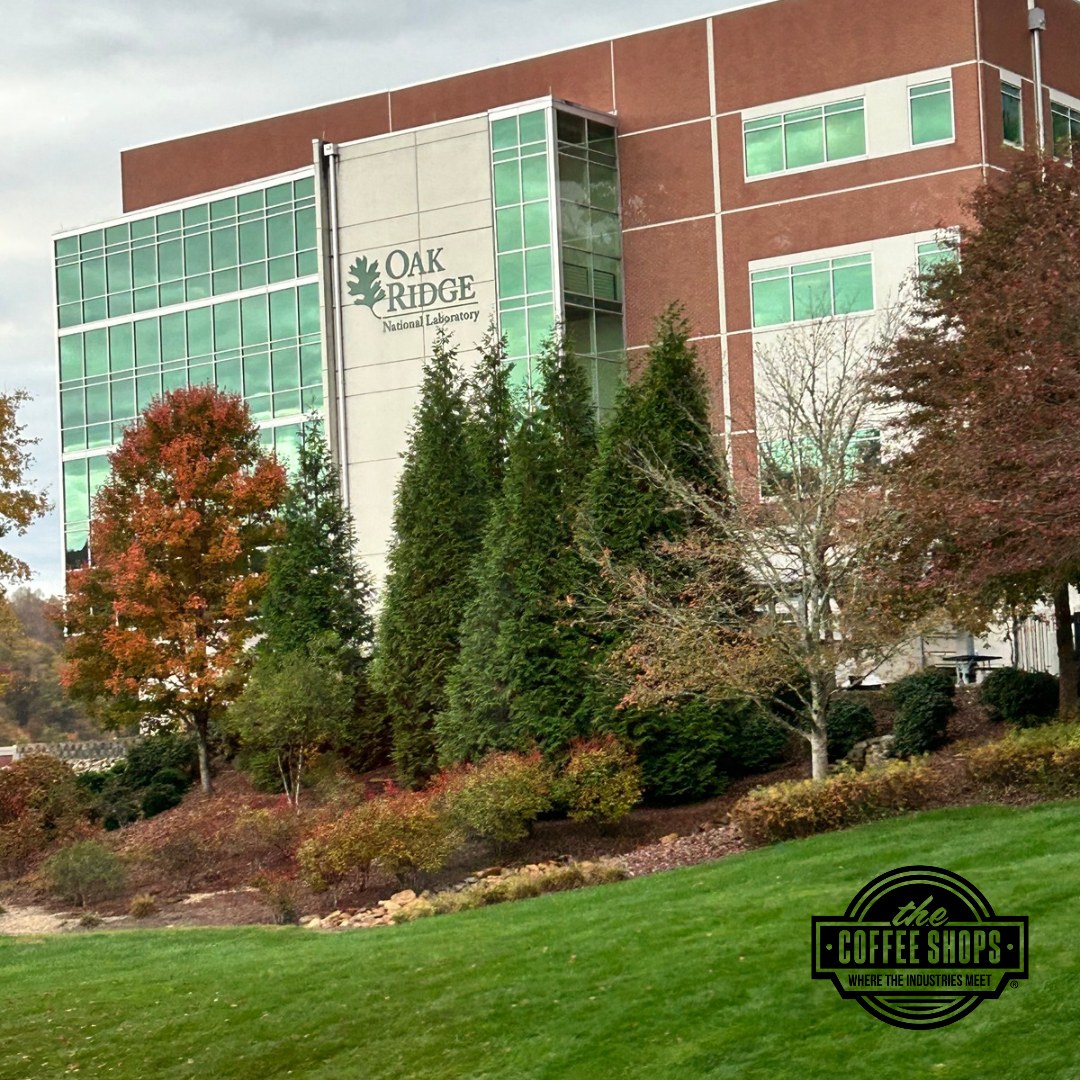
During the 2026 RICOWI Fall Seminar, researchers shared work underway at Oak Ridge National Laboratory to develop a new approach to improving the fire performance of building materials.
At the center of the research is DuoDefend, a flame-retardant platform designed to incorporate phosphorus-based chemistry with carbon-rich, waste-derived feedstocks. Researchers are studying how the technology performs when incorporated into several types of materials used in construction.
The goal is ambitious: develop a flame-retardant technology that can improve fire performance, be incorporated into multiple materials and address some of the limitations researchers see with existing flame-retardant approaches.
The wildfire challenge
The research takes on added significance in the wildland-urban interface, commonly called the WUI. These are areas where human development meets or intermingles with undeveloped wildland vegetation. Buildings in these areas can be exposed to multiple threats during a wildfire.
The presentation identified three particularly important exposures for the building envelope: embers, radiant heat and direct flames. Each can contribute to the ignition or deterioration of building materials. Roofing is particularly relevant because the roof represents a large exterior surface with direct exposure to those conditions.
Improving the fire performance of individual materials could therefore become one piece of a broader approach to creating more resilient buildings.
Rethinking flame retardants
Flame-retardant additives are already widely used in materials, but the Oak Ridge research is exploring alternatives to some conventional approaches. DuoDefend uses carbon-rich feedstocks functionalized with phosphorus. Based on the presentation, researchers are investigating formulations derived in part from waste streams connected with the forest products and plastics industries.

That waste-derived approach is an important element of the research. Instead of relying exclusively on virgin feedstocks, the team is investigating whether materials that might otherwise have limited value can become part of a flame-retardant technology. Researchers have also designed the synthesis process to be relatively simple, with an emphasis on minimizing additional material and energy inputs.
Fighting fire in two ways
Part of what makes DuoDefend interesting is the mechanism researchers are investigating. Fire requires an ongoing combustion process. When a material is exposed to sufficient heat, combustible products can travel from the material into the gas phase, where they react with oxygen and burn.
The DuoDefend platform is intended to interfere with that process in more than one way. The phosphorus-containing components can help inhibit combustion reactions, while the carbon-rich portion of the formulation can encourage development of a protective char layer.
That char is important because it can act as a barrier between the fire and the underlying material, limiting heat transfer and the movement of fuel from within the material toward the burning surface.
Laboratory analysis presented at RICOWI showed substantial char remaining from DuoDefend formulations after exposure to elevated temperatures, supporting researchers' interest in that protective mechanism.
Moving from chemistry to construction
Promising chemistry is only part of the equation. A new flame retardant also has to work in actual materials. The research presented at RICOWI examined DuoDefend in several applications, including wood, polyiso foam and fiber-based composite panels.
Researchers used different incorporation methods depending on the material. Wood samples were treated with a DuoDefend solution. In foam, the flame retardant was incorporated into the formulation. For the composite panels, DuoDefend was introduced during fabrication. That versatility may prove especially important if the technology continues moving toward commercialization.
There is rarely a single material or manufacturing process across the building envelope. A technology useful for construction needs to work within existing materials and processes without undermining the properties that made those materials useful in the first place.
A building-envelope opportunity
The research remains under development, but it points toward an interesting direction for wildfire resilience. Instead of looking only at how individual assemblies respond after wildfire exposure, researchers are examining whether the materials themselves can be engineered to respond differently when subjected to fire. For the roofing and building-envelope industries, that opens another avenue for innovation.
As wildfire resilience becomes an increasingly important design consideration, the materials surrounding a building may play an even greater role in helping that structure withstand exposure.
Learn more about RICOWI in their Coffee Shop directory or visit www.ricowi.com.
About the author

Karen L. Edwards is the COO at RoofersCoffeeShop and a marketing consultant and freelance writer for the roofing industry. When she is not working, she is watching or attending sporting events, listening to music and spending time with family.
Recommended For You

Consider climate when choosing a downspout system
Read More ...
Snow Guards: Making the Sale
Read More ...
The Importance of Preplanning for Natural Disasters
Read More ...






Comments
Leave a Reply
Have an account? Login to leave a comment!
Sign In