






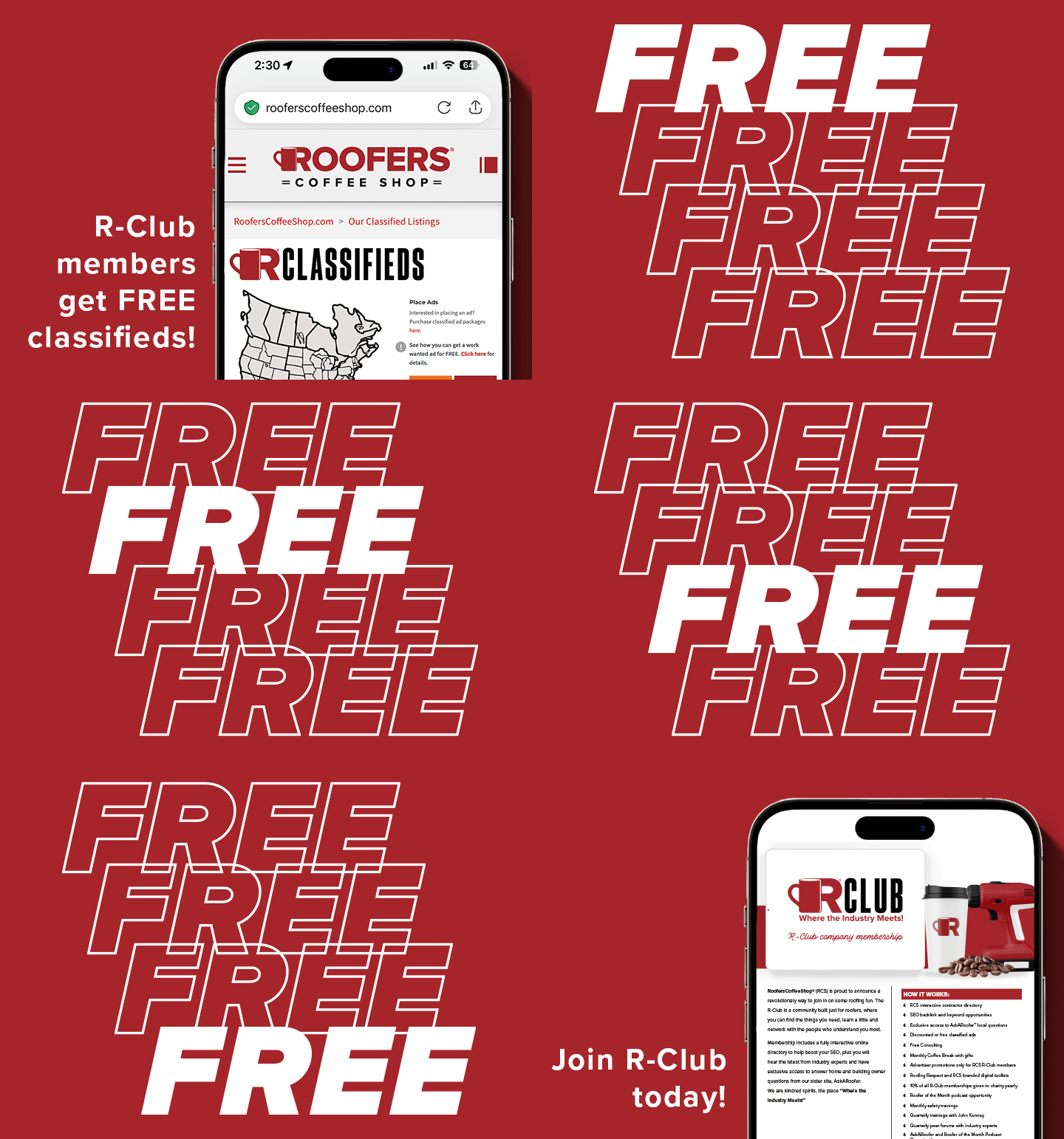


Building a durable low-slope roofing system
By Jesse Sanchez.
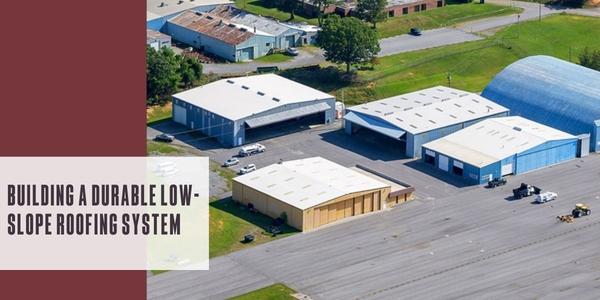
Understanding how roof decks, insulation, cover boards and roof coverings work together is essential to long-term roof performance.
According to MuleHide, the performance of a low-slope roofing system depends on several layers working together to support the roof, control heat transfer and protect the building from weather and other damaging forces. These primary components include the roof deck, insulation or cover board and the roof covering.
The roof deck is the structural foundation to which the roofing system is applied. It supports the system’s weight, rooftop equipment and expected foot traffic while providing a flat installation surface. Steel is the most-used roof deck material, followed by wood products such as plywood, planks and oriented strand board (OSB). Structural concrete, cementitious wood fiber, gypsum and lightweight insulating concrete are less common alternatives.
Installed above the deck, insulation reduces heat transfer between the building’s interior and the surrounding environment. Polyisocyanurate, commonly called polyiso, provides the highest R-value and is the most widely used option. Expanded polystyrene (EPS), tapered insulation and flute filler also serve specific roofing applications, including improving drainage or creating a level surface over metal panels.
Cover boards provide a durable substrate for attaching the roof covering. They may be required when a covering cannot be attached directly to the insulation, but they can also improve performance when used as an additional layer. Cover boards help limit fire spread, distribute wind forces and protect insulation from hail, foot traffic and compression. Common options include fiberboard, gypsum-fiber boards, glass-mat faced gypsum boards and high-density poly ISO cover boards. Each offers different combinations of strength, insulation value, moisture resistance and ease of handling.
The roof covering completes the assembly by shielding the system from sun, rain, snow, hail, chemicals, equipment and extreme temperatures. Available systems include built-up roofing (BUR), modified bitumen, single-ply membranes and fluid-applied coatings.
Learn more about MuleHide Products in their Coffee Shops Directory or visit www.mulehide.com.
About the author

Jesse is a writer for The Coffee Shops. When he is not writing and learning about the roofing industry, he can be found powerlifting, playing saxophone or reading a good book.
Recommended For You

Prefabrication puts project time to work
Read More ...
Keep Moving Joints Weathertight With MasterSeal HY 35
Read More ...
Three tools built for roofing productivity and safety
Read More ...


Comments
Leave a Reply
Have an account? Login to leave a comment!
Sign In