












Why freeze-thaw resistance should drive your roofing choice
By Jesse Sanchez.
Learn how freeze-thaw rated materials reduce moisture intrusion, limit structural damage and protect long-term roof performance.
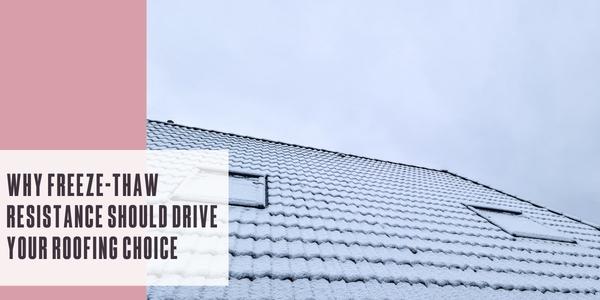
In many regions, the greatest threat to a roof is not a single storm. It is the steady cycle of freezing and thawing that occurs throughout winter and seasonal transitions. Each swing above and below 32 degrees Fahrenheit places stress on roofing materials. Over time, that repeated expansion and contraction can compromise a roof’s ability to protect the structure beneath it. Companies such as Eagle Roofing Products express the importance of selecting materials engineered to withstand those temperature extremes, particularly in climates where freeze-thaw cycles are common.
The science behind it is simple. Moisture enters small pores or gaps in a roofing system. When temperatures drop, the water freezes and expands. As it thaws, it contracts, leaving slightly larger openings behind. That expansion-and-contraction cycle repeats again and again. Eventually, minor surface vulnerabilities can develop into cracks that allow water to move deeper into the system.

Once moisture reaches the attic, insulation or wood framing, the consequences escalate. Property owners may face mold growth, rotting materials or structural deterioration. What began as microscopic openings at the surface can turn into costly repairs that affect both the building envelope and interior spaces. This is why freeze-thaw resistance should be a central factor in roofing selection. Concrete roof tile is manufactured to be freeze-thaw rated, meaning it is engineered to withstand repeated temperature fluctuations without losing strength or durability. Its design also incorporates water channels that help move moisture off the roof and away from the structure, reducing the likelihood of intrusion.
By comparison, some materials can present challenges in cold conditions. Asphalt shingles may require special installation methods when temperatures fall below 40 degrees Fahrenheit, increasing labor complexity. They can also experience “cold curl,” where edges curl and become more prone to cracking.
At its core, freeze-thaw resistance is about preventing avoidable damage. A roofing system built to manage temperature extremes offers clearer protection and more predictable performance over time.
Learn more about Eagle Roofing Products in their Coffee Shop Directory or visit www.eagleroofing.com.
About the author

Jesse is a writer for The Coffee Shops. When he is not writing and learning about the roofing industry, he can be found powerlifting, playing saxophone or reading a good book.
Recommended For You
Metal roofing strengthens wildfire resilience
Read More ...
Re-roofing with resilient composite tiles
Read More ...
Updated Hail Shingle Rating Scorecard Drives Improvements in the Impact-Resistant Asphalt Shingle Market
Read More ...




Comments
Leave a Reply
Have an account? Login to leave a comment!
Sign In