





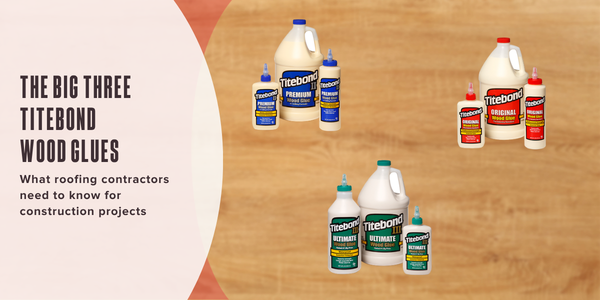
The big three Titebond wood glues
By The Coffee Shops®.
What roofing contractors need to know for construction projects,
When it comes to construction adhesives and wood bonding applications, choosing the right glue can make the difference between a long-lasting installation and a costly callback. In an article from Titebond a Franklin International brand, their team breaks down the difference between their three flagship wood glues: Titebond Original, Titebond II Premium and Titebond III Ultimate. Each product serve a different purpose and performance requirement. Understanding these differences helps roofing professionals select the best adhesive for their project needs.
Titebond Original: Best for interior woodworking applications
While most roofing projects involve exterior exposure, Titebond Original can be useful for a variety of needs, such as:
- Interior attic access repairs
- Interior trim restoration after roof replacement
- Custom woodwork associated with remodeling projects
- Finish carpentry repairs linked to roofing renovations
Because it is intended for interior use, roofing contractors should avoid using Titebond Original in areas exposed to weather, moisture or recurring humidity.
Titebond II Premium: Ideal for many exterior projects
Titebond II Premium has become Titebond's best-selling wood glue and bridges the gap between indoor and outdoor applications. Unlike Titebond Original, it passes the ANSI/HPVA Type II water-resistance specification, making it well-suited for projects that may experience periodic moisture exposure.
Common roofing-related applications include:
- Fascia board repairs
- Decorative exterior trim assemblies
- Porch roof detailing
- Covered outdoor structures
- Wood blocking projects with limited weather exposure
For projects where moderate moisture resistance is required without full waterproof performance, Titebond II Premium offers a highly practical solution.
Titebond III Ultimate: The best choice for exterior exposure
For roofing contractors working in demanding outdoor conditions, Titebond III Ultimate stands out as the clear leader among the three formulations. The formula having a type I rating is particularly important because it classifies the adhesive as waterproof, providing a higher level of moisture protection than Type II water-resistant products.
Titebond specifically recommends Titebond III Ultimate for exterior woodworking projects. For roofing contractors, this performance profile makes it a strong candidate for:
- Exterior trim fabrication
- Decorative timber accents
- Outdoor architectural details
- Pergolas and pavilion structures
- Wood components exposed to changing weather conditions
Its longer open time can also be advantageous for complex assemblies that require additional positioning and adjustment before clamping.
How to choose the right Titebond adhesive
For roofing contractors, the decision largely comes down to moisture exposure:
- Choose Titebond Original for strictly interior applications.
- Choose Titebond II Premium when water resistance is needed for general outdoor projects.
- Choose Titebond III Ultimate when maximum weather protection and waterproof performance are required.
Although wood glue is not always the first product roofing professionals think about, many roofing projects include wood repairs, custom exterior details, fascia replacements, soffit work and structural woodworking components. Understanding the differences between Titebond Original, Titebond II Premium and Titebond III Ultimate allows contractors to select the right adhesive for the environment and achieve longer-lasting results.
For projects exposed to rain, humidity and seasonal weather cycles, Titebond III Ultimate's waterproof performance makes it a strong option. For less demanding exterior applications, Titebond II Premium provides dependable water resistance, while Titebond Original remains a trusted solution for interior woodworking projects.
Read the full article to learn more about Titebond’s line of adhesives.
Learn more about Franklin International in their Coffee Shop Directory or visit www.titebond.com.
Recommended For You
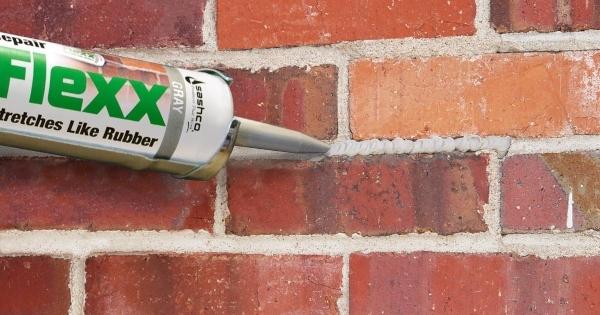
Fixing Chimneys? Mor-Flexx® Should be in Your Toolbox
Read More ...
5 Ways Your Construction Company Can Go Green
Read More ...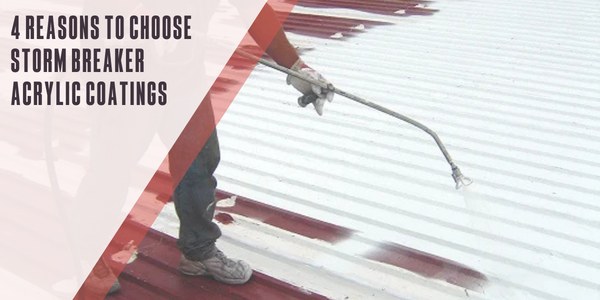
4 reasons to choose Storm Breaker™ acrylic coatings
Read More ...


Comments
Leave a Reply
Have an account? Login to leave a comment!
Sign In