







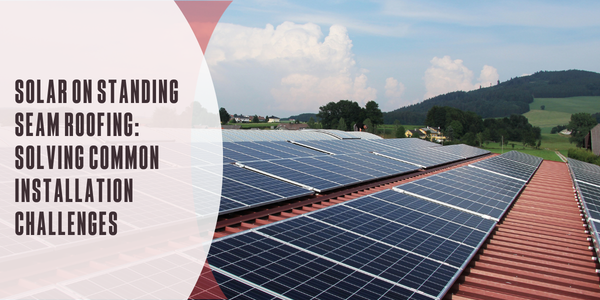
Solar on standing seam roofing: Solving common installation challenges
By Ali Turner, S-5!
Learn installation tips for building faster, warranty-friendly solar systems on standing seam metal roofs.
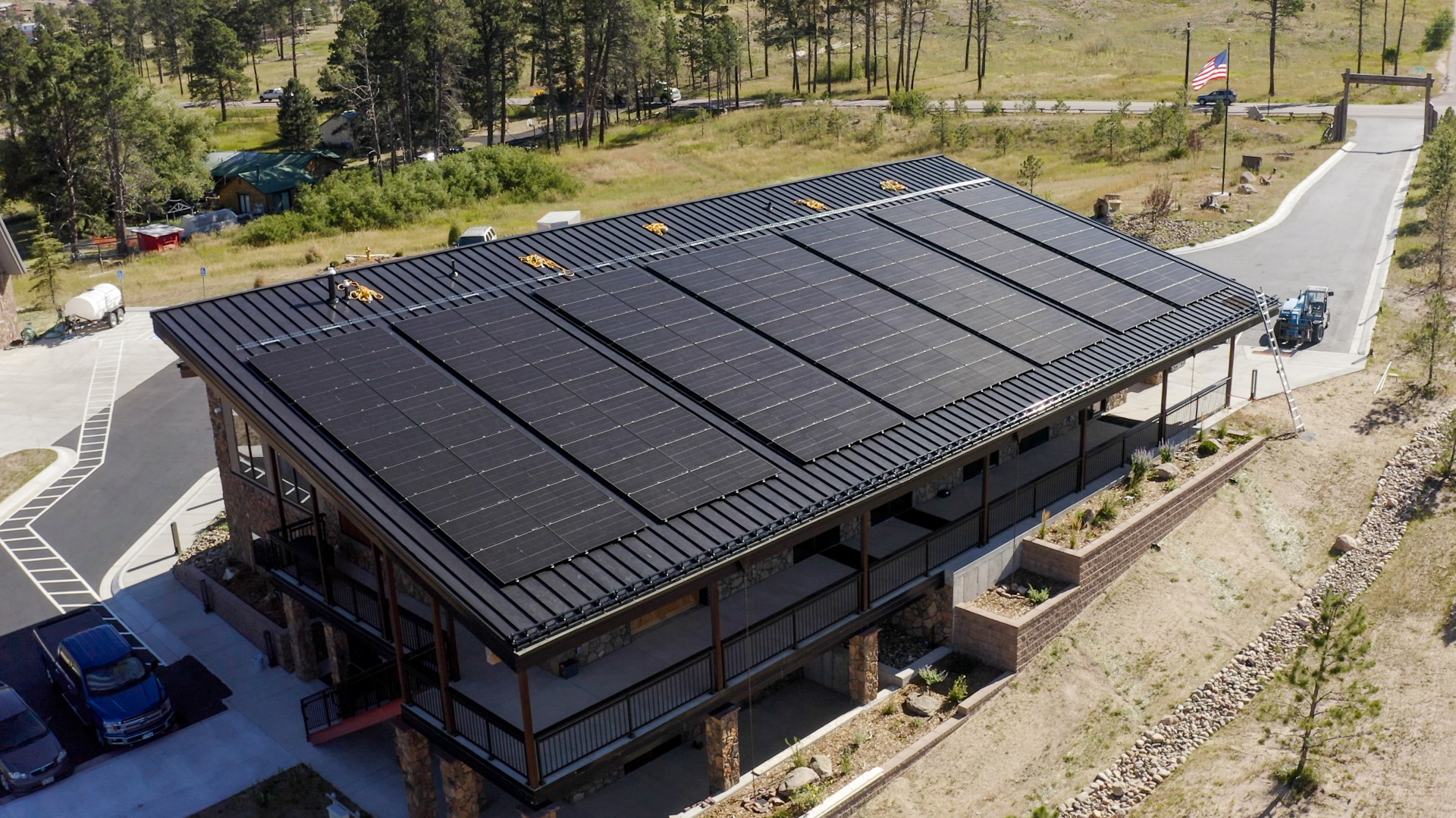 Standing seam metal roofs are well-suited for solar installations. Their durability and long service life provide a dependable platform for PV systems, while the raised seams enable solar modules to be mounted without penetrating the roof surface. That matters because fewer roof penetrations mean less risk for leaks, fewer warranty concerns and a simpler installation. However, not all standing seam roofs are the same. Factors such as seam profile, panel thickness, roof pitch and site conditions can all influence the design and installation of the solar mounting system.
It is also important to understand how standing seam roofs differ from other metal roof types. Exposed-fastened and corrugated roofs are face-fastened with screws through the roof surface, and typically, solar is mounted to trapezoidal or corrugated ribs with brackets. Standing seam roofs, by contrast, allow installers to attach solar panels with non-penetrating clamps that grip the seam.
For installers, the goal is simple: install faster, protect the roof, reduce extra parts and build a system that lasts. Here are some common challenges and how to handle them.
How can you protect the roof warranty when installing solar on standing seam metal roofs?
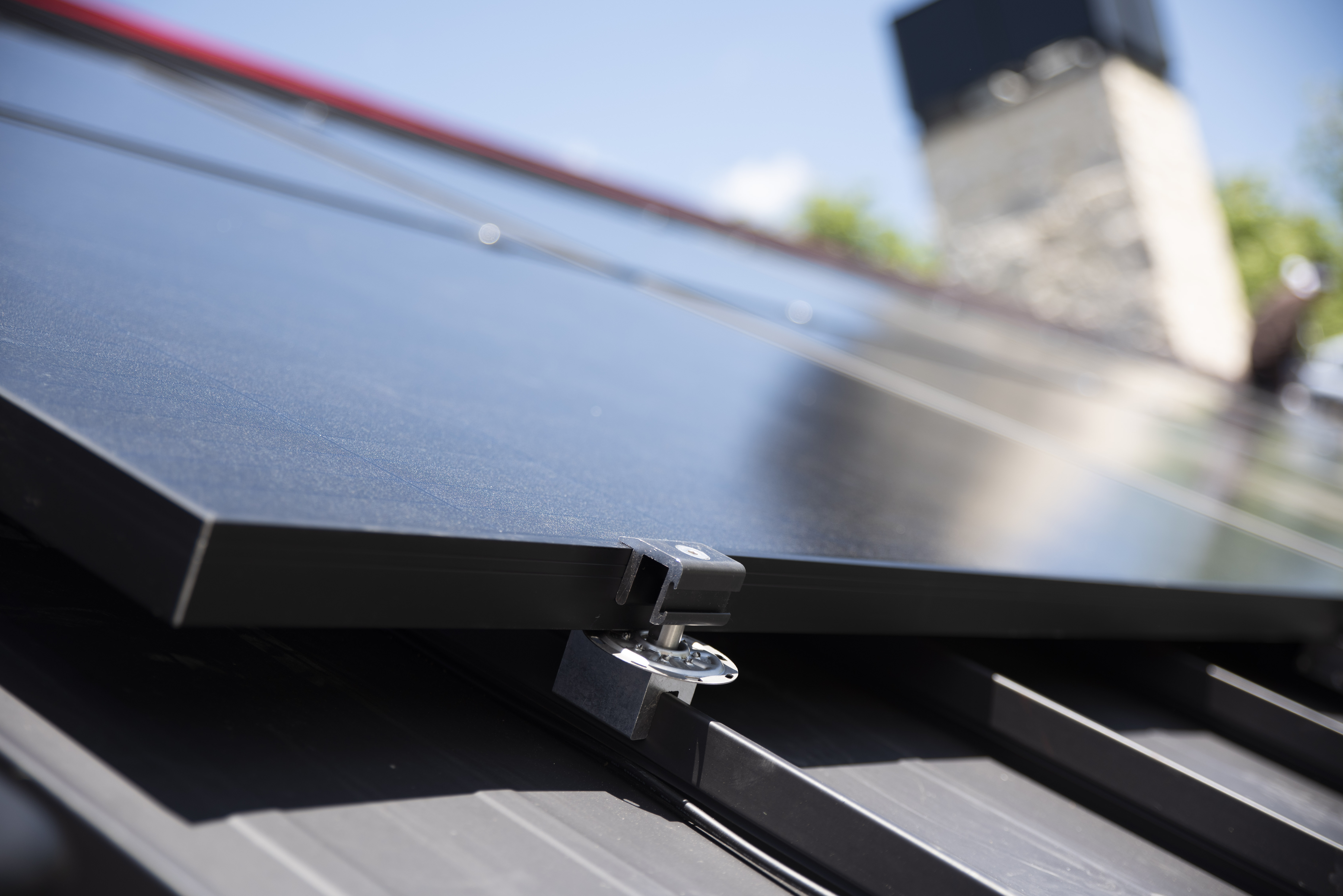 One of the biggest concerns on a metal roof solar job is the roof warranty. Many roof manufacturer warranties depend on keeping the panels, seams, coatings and weatherproofing in good shape. Penetrating a roof can create problems, specifically leaks and pinning the panel to the structure. This will raise concerns with the roof manufacturer.
Standing seam roofs have an advantage, though! The seams, or integrated rails, serve as the attachment points. Instead of drilling through the roof panel, installers can use non-penetrating clamps that mechanically grip the standing seam.
Before the job starts, check the roof manufacturer’s requirements, seam type and panel gauge. If anything is unclear, talk with the roof manufacturer or a metal roofing expert before finalizing the solar layout.
How do you choose the right clamp for different standing seam profiles?
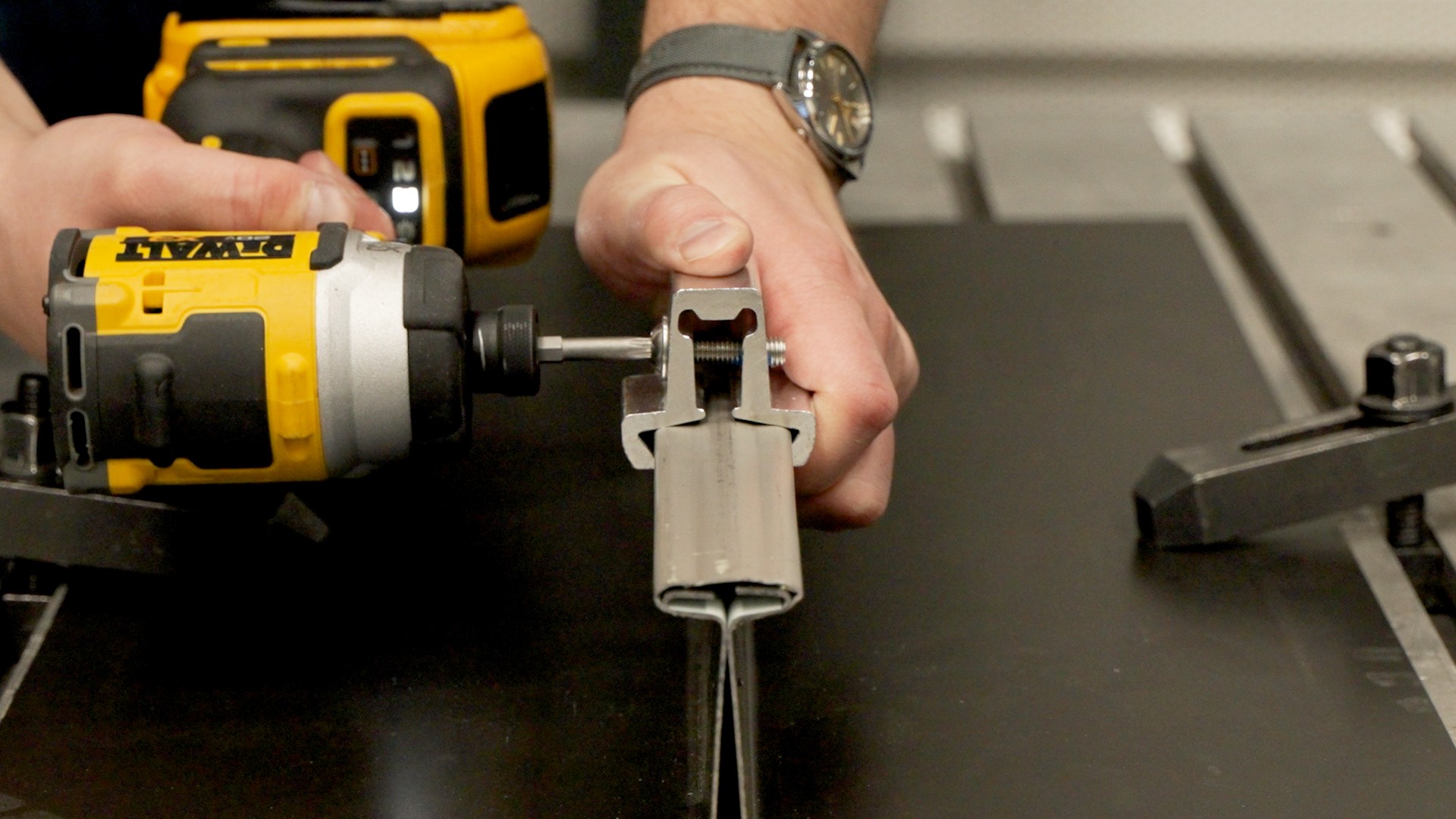 Not every standing seam is built the same. Some seams are single- or double-folded, while others are snap-lock, bulb seam, T-shaped or another profile. That means a one-size-fits-all clamp is not the right solution. The clamp should match the actual seam profile, panel material and project load requirements to help ensure strong holding strength, protect the seam and support a long-lasting solar installation.
Using an improper clamp can lead to weak holding strength, seam damage, poor alignment or delays on the job. Use clamps that are tested for that seam type and the project’s load conditions. The right clamp should hold securely without crushing, puncturing or damaging the seam.
The fix is to identify the seam profile early. Gather photos, measurements and roof panel information before choosing the mounting hardware. Also, reach out to a metal roof expert for guidance and design assistance.
How can installers save time without cutting corners?
Traditional systems often require rails, splices, grounding parts, wire management and several alignment steps. On larger projects, those added parts and steps can increase both labor time and material handling.
The solution is to use a rail-less system. With DirectAttach™ mounting, modules attach directly to clamps, reducing the amount of hardware installed on the roof. Fewer components help crews work faster, carry fewer parts, keep the overall array installation more streamlined and reduce added load.
But speed is not the only goal. The install still needs to be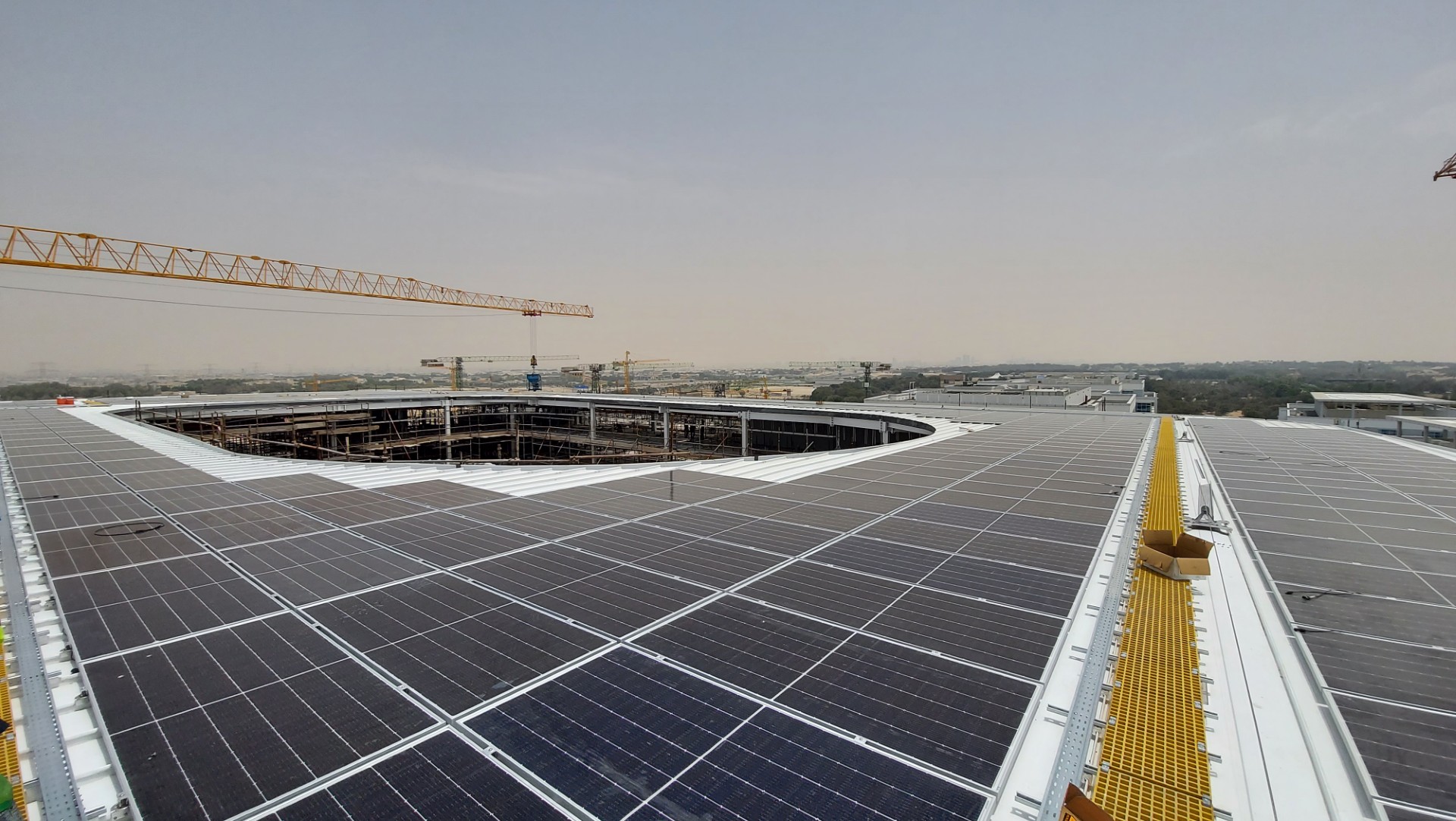 repeatable and accurate. A good process should include:
- A clear design and layout plan, including attachment spacing
- Proper module placement
- Grounding and bonding steps
- Clean wire management
- Final inspection checks
Why do standing seam roofs need room to move?
Metal roofs are designed to move. As panels expand and contract through daily and seasonal temperature changes, solar attachments that restrict that movement can create stress, premature wear, oil canning, leaks and costly callbacks.
The solution is to respect how the roof was designed. Standing seam clamps with a Living Hinge™ design allow solar panels to be attached without restricting panel movement. When installed correctly, these clamps support the solar array while still allowing the roof to perform as designed.
What are the most important things to remember about solar mounting on standing seam roofs?
Solar mounting on standing seam metal roofs can be fast, efficient and roof-friendly when the system is designed correctly. The best results come from using the right non-penetrating clamps, matching the hardware to the seam profile, following tested spacing guidelines and simplifying the installation with DirectAttach mounting.
Standing seam metal roofs are built to last. The solar mounting system should be built to last, too.
Learn more about S-5! in their Coffee Shop Directory or visit www.S-5.com.
Recommended For You
The right HVAC kit for every workflow
Read More ...
Submissions Welcome for Best Malarkey Roof in 2017 QARC Awards
Read More ...
The 3-step Process of Installing a Roof Hugger
Read More ...



Comments
Leave a Reply
Have an account? Login to leave a comment!
Sign In