








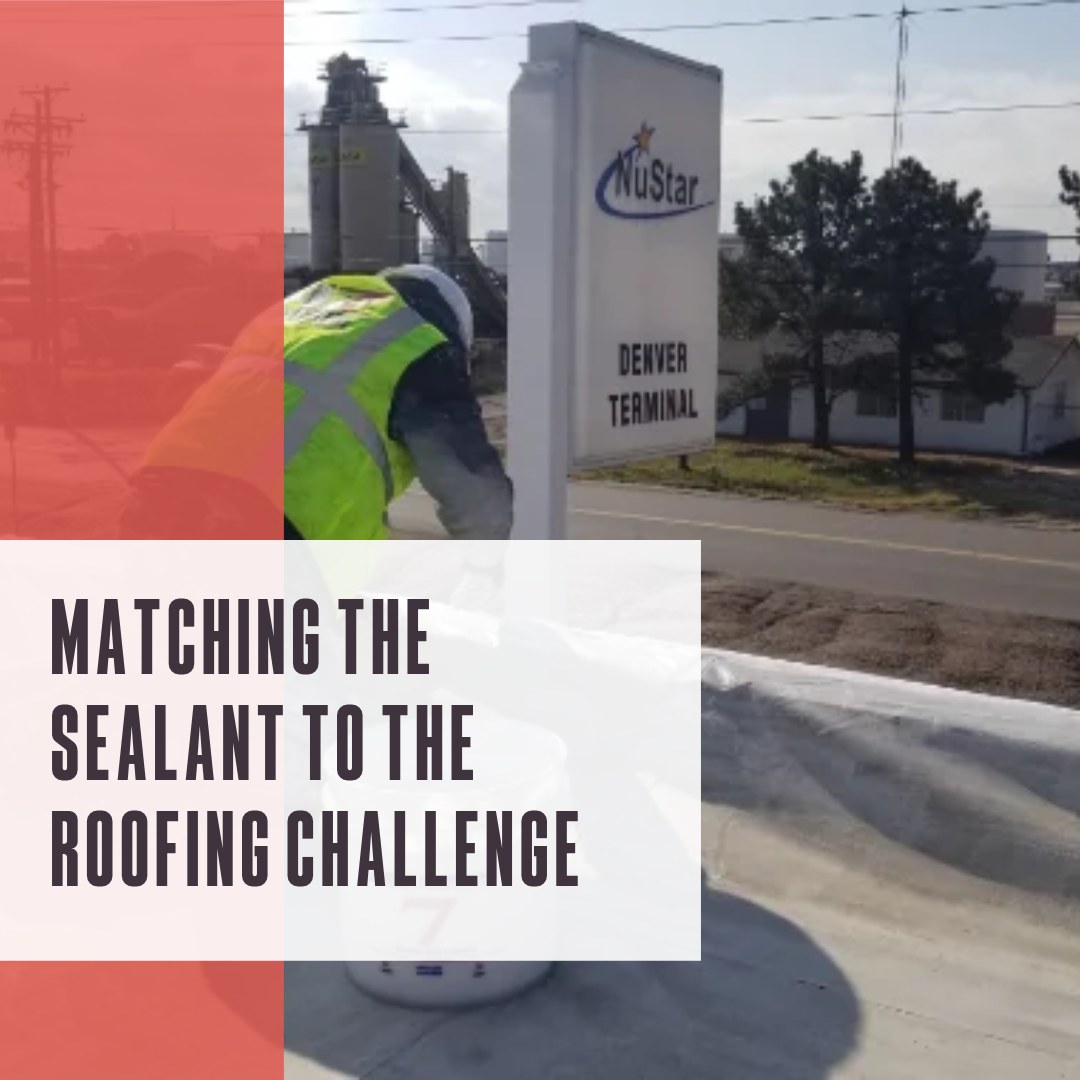
Matching the sealant to the roofing challenge
By Jesse Sanchez.
Understanding movement, adhesion and surface conditions can help contractors select the right sealant for different areas of the roof.
Roof repair is rarely about addressing one condition with one material. ASC Building Materials recognizes that different areas of a roofing assembly can present different demands, from bonding and waterproofing around flashing and penetrations to accommodating movement at joints. Selecting the appropriate sealant begins with understanding those conditions before work starts.
Surface preparation is a common requirement across ASC Building Materials’ A-1000 and C-5000 sealants. The manufacturer directs users to begin with surfaces that are clean, dry and free of moisture, dirt, oil, loose materials, mildew and other contaminants. Rusted metal should also be cleaned before application. Evaluating substrate conditions and testing adhesion are important steps before determining whether a sealant is appropriate for a particular repair.
ASC A-1000 is designed as a multipurpose sealant and adhesive for bonding and sealing construction materials. Its listed applications include skylights, metal flashing, copings and heating, ventilation and air conditioning (HVAC) surfaces. It can also serve as a waterproofing seal for roofing materials and other substrates. For areas where adhesion and a harder cure are priorities, the accompanying ASC materials describe A-1000 as the strongest adhesive of the three sealants.
Different conditions call for greater flexibility. ASC C-5000 is intended for roofing, siding, metal architecture and joints subject to movement. According to its product information, it is designed for applications where joint movement requires compression and extension exceeding 50%. ASC materials characterize C-5000 as the softest-curing option with high-movement capability.
Between those characteristics, ASC S-3500 is presented as an elastomeric sealant for every day, all-purpose interior and exterior use with medium hardness. Together, the three options illustrate why roof repair should begin with the condition being addressed rather than a one-product-fits-all approach.
A successful strategy considers where adhesion is needed, where movement must be accommodated and whether the substrate is properly prepared before selecting and applying repair materials.
Learn more about ASC Building Materials in their Coffee Shop Directory or visit www.asc-building-materials.com.
About the author

Jesse is a writer for The Coffee Shops. When he is not writing and learning about the roofing industry, he can be found powerlifting, playing saxophone or reading a good book.
Recommended For You

Gearing Up for Hail and Wildfire Season
Read More ...
Breathe easy with the right attic ventilation
Read More ...
New CrossGard II Snow Fence from Rocky Mountain Snow Guards
Read More ...





Comments
Leave a Reply
Have an account? Login to leave a comment!
Sign In