










How synthetic roofing stands up to severe weather
By Jesse Sanchez.
Durable synthetic roofing can help protect homes against hail, high winds, heavy rain and extreme temperature changes.
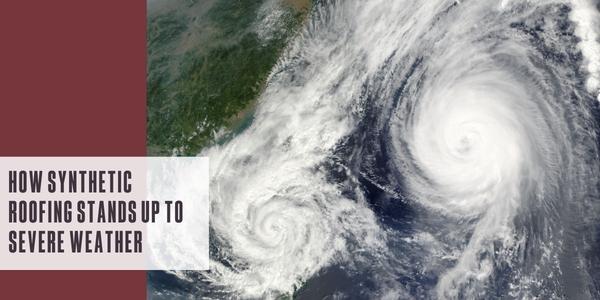
Severe storms can test every part of a home, but the roof often bears the brunt of the damage. High winds can remove shingles, hail can crack roofing materials and fallen debris can compromise the structure designed to protect the people and property below. EcoStar highlights the growing need for roofing materials engineered to withstand these demanding conditions. Data from the National Oceanic and Atmospheric Administration (NOAA) illustrates the scale of the threat. During the first nine months of 2023, the United States experienced 23 weather disasters that each caused at least $1 billion in damage. Eighteen involved severe thunderstorms or tornadoes.
After a storm, homeowners should look for missing or damaged roofing materials, water stains on ceilings or walls, dents and cracks caused by hail and debris that may have fallen onto the roof. Gutters and downspouts should also be inspected for damage or blockages. A thorough assessment can help identify problems before additional moisture enters the home.
As unpredictable weather places greater demands on roofing systems, synthetic slate and shake products offer an alternative to traditional asphalt shingles, wood, clay and concrete tile. Synthetic roofing is engineered to resist moisture without warping, cracking or rotting. Many products are also designed to withstand hail, strong winds and temperature fluctuations.
Because synthetic roofing products are often lighter than traditional materials, they can be easier to transport, handle and install. Synthetic roofing can also reduce long-term maintenance demands. Unlike materials that may require routine painting, sealing or replacement of damaged pieces, synthetic products are designed to retain their appearance and performance with less upkeep. Some options incorporate recycled materials and reflect heat and ultraviolet rays, which can support energy efficiency.
No roofing system can prevent severe weather, but selecting materials engineered for impact, wind, moisture, and temperature resistance can add an important layer of protection.
Learn more about EcoStar in their Coffee Shop directory or visit ecostarllc.com.
About the author

Jesse is a writer for The Coffee Shops. When he is not writing and learning about the roofing industry, he can be found powerlifting, playing saxophone or reading a good book.
Recommended For You
Don’t wait until there’s a block of ice in the gutter to focus on ice dams
Read More ...
Metal Roofing Helps Homeowners Get Battle-Ready for 2018 Hurricane Season
Read More ...
What You Should do to Storm-prep Your Jobsite
Read More ...




Comments
Leave a Reply
Have an account? Login to leave a comment!
Sign In