










Heating up this summer: The importance of fire-resistant materials
By Dani Sheehan.
Help your building owners choose the roof that will stand up to both the elements and the risk of fire.
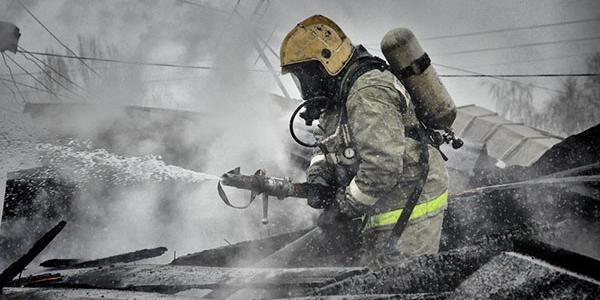
Summer is a bustling season for increased construction project activity; however, it’s also a time when the risk of wildfires becomes more prevalent across the country. In fact, the National Fire Protection Association estimated $3.4 billion in direct property damage from non-residential structure fires across the U.S. in 2020. Educating your customers about the fire resistance of their commercial roofs can be crucial, particularly in fire-prone areas.
Fire-resistant roofing is categorized into four classes. Class A provides the highest level of protection, while Class B and C materials are less common and often unsuitable for commercial buildings.
In an article by Beacon Building Products, the author explains the unique properties of the most common commercial roofing materials and shares important information to help you and your potential building owner choose the best fire-resistant materials for their building.
- TPO: Known for its flexibility, ease of installation and durability, TPO is highly resistant to various environmental factors, including fire, making it an excellent choice for many commercial buildings.
- PVC: This material is robust and stable, offering superior fire resistance due to its chlorine content. It’s particularly suited for buildings like restaurants that might emit fats or oils.
- EPDM: While inherently less fire-resistant, EPDM can achieve a Class A fire rating with the right fire-retardant coating. When used together, this system is a long-lasting option for low-slope or flat roofs.
Equip yourself with the knowledge to ensure the safety and security of your building owners’ businesses this summer. For a more detailed analysis and to guide your customers in choosing the right fire-resistant roofing materials, read the full blog on Beacon’s website.
Learn more about QXO in their Coffee Shop Directory or visit www.qxo.com.
About the author

Dani is a writer for The Coffee Shops. When she's not writing or researching, she's exploring new hiking trails or teaching yoga classes.
Recommended For You
Coating in the cold
Read More ...
Spring into action: The importance of seasonal roof inspections
Read More ...
Preparation is key with tropical storms
Read More ...





Comments
Leave a Reply
Have an account? Login to leave a comment!
Sign In