











From glazed ceramic tiles to steel-framed skyscrapers and beyond
By Emma Peterson.
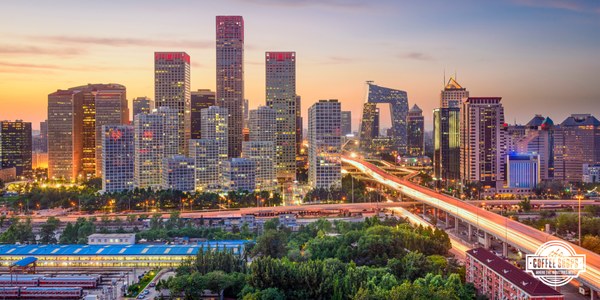
China’s long architectural history highlights the continual evolution of roofing, showing how builders have balanced performance, aesthetics and available materials from ancient dynasties to the present day.
中国 (Zhōngguó) or China is one of the largest countries on earth, with approximately 1/14 of the land area of Earth being within Chinese borders. And landmass is not the only measure at which China is significant, they also boast one of the oldest existing cultures in the world with more than 4,000 years of recorded history.
Historical roofs
In that incredibly long history, many different construction techniques and aesthetics have emerged. In his 2020 article for EBSCO, Richard Sheposh traced the beginning of Chinese construction back to 6,000 BCE, sharing, “Archeologists believe the Chinese began building above-ground wooden buildings around 6000 BCE. Pressed earth and stone structures were also constructed during the period, but wood remained the primary building material.”
Many of the earliest structures in Chinese history featured thatched roofing supported by internal wooden columns. As for the oldest roofing that archaeologists have been able to excavate, that comes from the 周 (Zhōu) Dynasty, which controlled China from 1046 BC to 256 BC. Richard described what these archaeologists found:
[The] style of construction allowed for an emphasis on a building's width, or horizontal appearance. This resulted in large, heavy platform roofs that seemed to rest above the vertical walls rather than on them. These roofs were usually covered in glazed ceramic tiles with curved overhanging eaves to protect the earthen foundation of the structure from the elements. The timber-frame construction of Chinese buildings likely forced this horizontal emphasis, lowering the structure's ceilings and limiting the height of each story. Most ancient Chinese buildings were single-storied.
 Advancing through the ages
From here, architecture continued to advance through the ages. By the 秦 (Qín) dynasty, which ruled from 221 – 206 BC, Chinese builders were creating 重楼 (Chónglóu) or multi-storied houses.
The next major development in architecture that Richard highlighted was the modernization that occurred in the more recent years (from the mid-twentieth century onward).
He wrote, “As the nation prepared to host the 2008 Olympic Games, China's government sought out the skills of prominent foreign architects to usher in a more modern style.”
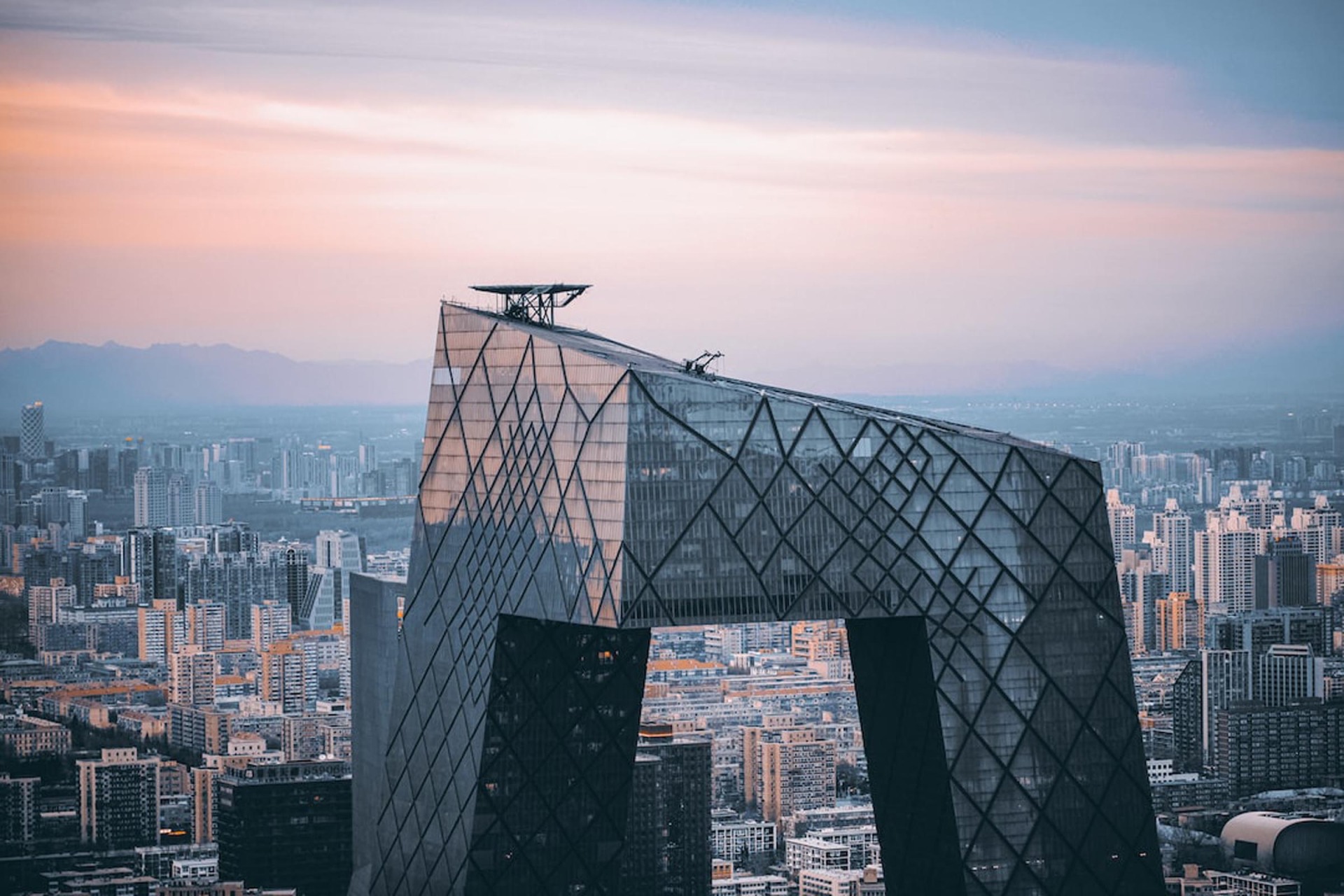
A notable example of this modern roofing style was the renovation of the Central China Television (CCTV) Headquarters in 2007. The new design for the space, which “comprised of two inclined towers connected by horizontal building elements at the top and base, the interconnected volumes form one integrated loop,” was created through collaboration between European and Chinese architects. Interestingly, rather than having a distinguishable roof and walls, the building features “a web of triangulated steel tubes – diagrids – which [essentially created] an external continuous tube system [that] resists all of the lateral forces on the building.”
Roofing today
And the evolution of construction and roofing in China is not over yet! 杭州川亚 (Hángzhōu Chuānyà) Building Materials, a leading manufacturer in China who produces over three million square meters annually, recently released an article highlighting some of the most recent developments:
City skyscapes keep taking on new looks, and rural housing is also built to meet newer living needs. Beyond these visible shifts, people no longer just stick to old ways when picking roofing materials. Instead, they take local weather conditions, budget costs, exterior looks and construction speed all into account.
What type of materials are they referring to? Hángzhōu Chuānyà reports that the most common roof products used in contemporary China are:
- 陶瓷瓦 (táocí wǎ) - clay tiles: These are closest to the traditional tiles that Richard wrote about. Their warm tones and curved shapes create a very traditional look that is perfect for heritage homes. It is also very popular in tourist-regions and residential homes in the South.
- 彩钢夹芯板 (cǎi gāng jiā xīn bǎn) - metal sheets: Metal is a newer material that has grown popular for its quick installation, lightweight structure and easy adaptability. It is particularly popular for industrial and commercial applications but can also be found in some contemporary residential projects.
- 沥青瓦屋 (lìqīng wǎwū) - asphalt shingles: In many residential areas in modern China you will also now find a fair number of asphalt shingles. These are popular for their relatively easy installation and flexible design options.
- 水泥瓦 (shuǐní wǎ) - concrete tiles: These products offer a great middle-ground between modern products and the traditional aesthetic. They are often found on suburban housing, low-rise developments and mixed-use products.
- 合成树脂瓦 (héchéng shùzhī wǎ) - synthetic products: This is one of the newest materials hitting the Chinese market. Synthetic is popular for its ability to emulate a variety of materials, including traditional tiles, while simultaneously providing the performance of modern roofing.
Looking ahead, the team at Hángzhōu Chuānyà see the shift towards these materials as reflective of larger cultural shifts, explaining, “The change of roof material selection habits reflects the overall transformation of the construction industry and public aesthetic views... Whether it is classic clay tiles for folk houses or metal roofing sheets for factory buildings, every material has its own applicable scenarios. [What is changing is that people now] consider more factors and make choices more rationally, forming a diverse yet orderly roof construction market.”
Learn more about modern roofing in China.
Image sources in order of appearance: Canva, Turner Construction
Recommended For You

ServiceTitan announcing new and expanded capabilities at Pantheon 2026
Read More ...
What You Really Need for a Flat Roof Tear-Off
Read More ...
Traffic coating upgrade transforms medical center’s walkways
Read More ...





Comments
Leave a Reply
Have an account? Login to leave a comment!
Sign In