




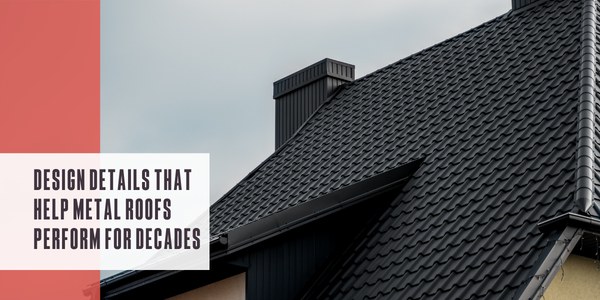
Design details that help metal roofs perform for decades
By The Coffee Shops®.
Proper planning for thermal movement, underlayments and penetrations can significantly improve long-term roof performance.
After selecting the appropriate metal roofing system, successful projects depend on the details that support long-term performance. During one RLW webinar, Jeff Maderos of AEP SPAN highlighted several design considerations that can help contractors avoid common issues and improve roof longevity.
One of the most important factors is thermal movement. Metal expands and contracts as temperatures change, and roofing systems must be designed to accommodate that movement. “Metal is your party animal of the construction materials,” Jeff said. “Metal moves a lot.”
Jeff explained that movement is influenced not only by the panel material but also by the clip system used to secure the panels. Panel length alone is not the determining factor. Designers must evaluate how the roof system allows movement to occur without creating stress points that can lead to oil canning or visible distortion.
Underlayment selection is another critical decision. Jeff repeatedly cautioned against using traditional asphalt-saturated felt beneath metal roofs. “If there's one takeaway I'd like you to have on this call is don't ever, ever use a 30-pound saturated felt under a metal roof.” Instead, he recommended high-temperature modified underlayment designed to withstand elevated temperatures generated by metal roof assemblies. These products can also provide secondary weather protection during construction.
Roof penetrations require similar attention to detail. Pipe boots, curbs and specialty flashing details should be selected based on panel layout and penetration size. Jeff stressed that installers should allow the roofing system to continue moving as designed, rather than unintentionally restricting movement around penetrations.
Wind uplift performance also remains a primary concern. Factors including building dimensions, occupancy, location and substrate all influence clip spacing and fastening requirements. Jeff encouraged contractors and designers to work closely with manufacturers to verify project-specific requirements and engineering calculations.
By combining proper system selection with thoughtful detailing, contractors can maximize the durability, appearance and value that make metal roofing such an attractive option.
Listen to the full recording or Watch the Webinar to learn more about metal roof performance and design details.
Learn more about AEP Span in their Coffee Shop Directory or visit www.aepspan.com.
Recommended For You

Rising to the occasion – the importance of low-slope training for contractors
Read More ...
Adding solar to your lineup
Read More ...
Building smarter roofers with expert training
Read More ...


Comments
Leave a Reply
Have an account? Login to leave a comment!
Sign In