









Common fall protection mistakes
By The Coffee Shops®.
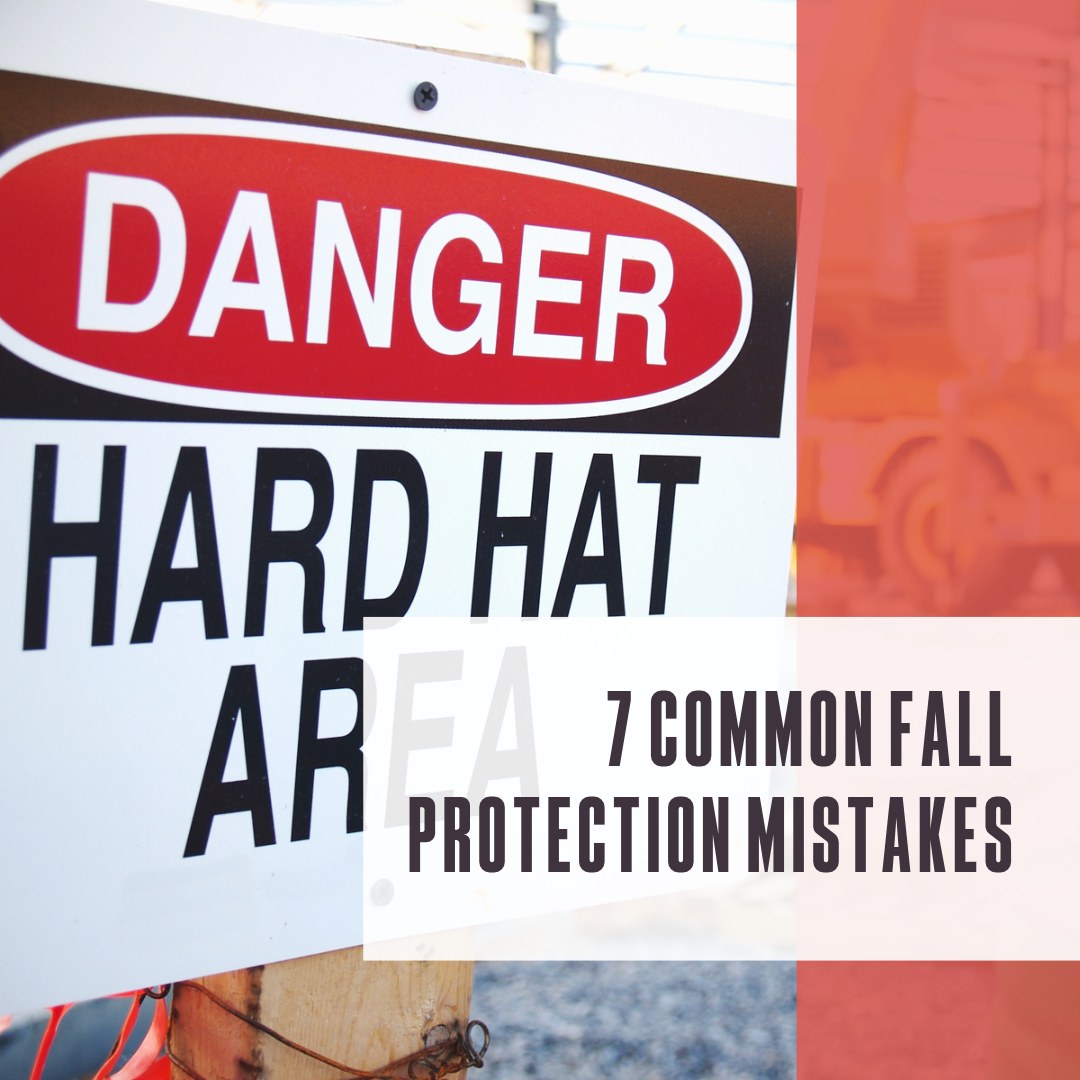
Proper training, equipment inspections and jobsite planning can help crews avoid these preventable hazards.
Falls, slips and trips cause a large portion of construction industry fatalities. Construction also accounted for a significant margin of fatal falls, slips and trips in private industry. According to this article by Wryker, many incidents can be prevented by addressing common mistakes.
Navigating heights
Cracked rails, missing rungs and corrosion make ladders unsafe and require their removal from service. Workers must also select the right ladder for the job and maintain three points of contact while climbing. Carrying tools or materials in a
way that prevents proper contact can greatly increase fall risk.
Hurrying can also cause workers to overlook hazards, equipment checks and fall protection procedures. Sudden movements and quick turns on elevated surfaces also increase the risk of losing balance. Workers should move deliberately and remain aware of their surroundings.
In the event of a fall, a harness protects from impact, but the worker can remain suspended afterward. Extended suspension can lead to suspension trauma, unconsciousness, immobility and potentially fatal complications. Workers with self-rescue training have much lower odds of a fall being fatal compared with those without training.

Personal safety equipment
Fall protection harnesses are not one-size-fits-all. Each harness must be fitted and adjusted to the individual worker, so fall forces are distributed correctly. An improper fit could allow a worker to tip, slip or receive inadequate support during a fall.
Additionally, an anchor may meet strength requirements without being appropriate for the application. Anchor points must be selected, tested and used with potential fall forces in mind. Workers and supervisors need training to understand how equipment, location and job conditions affect anchor selection.
Jobsite standards
Tools, equipment and materials left in walkways create preventable slipping and tripping hazards. Although fatal falls are more common at elevation, serious incidents can also happen at ground level. Consistent housekeeping helps keep walking and working surfaces safe.
In addition to housekeeping, weather safety is an essential jobsite standard. High winds, rain, ice and snow can reduce traction, affect balance and make elevated work more difficult. Crews should check conditions before work begins, continue monitoring the weather and take appropriate precautions when conditions increase fall risk.
Final thoughts
Safety failures often begin with small oversights, such as an uninspected ladder, a poorly adjusted harness or a rushed task. Before working at height, crews should inspect equipment, fit harnesses, select anchors carefully, clear the work area, check the weather and confirm that a rescue plan is in place. A few minutes of preparation can help prevent a tragedy.
Read the full article to learn Wryker's tips for safety on the jobsite.
Find OSHA-compliant products favored by workers here!
Learn more about WRYKER in their Coffee Shop directory or visit www.wryker.com.
Recommended For You
Best practices for lift truck safety in roofing
Read More ...
The Requirements of OSHA Forms 300, 301, and 300A
Read More ...
A roofer's guide to chemical exposure prevention
Read More ...



Comments
Leave a Reply
Have an account? Login to leave a comment!
Sign In