











Climate-ready roofs move from option to necessity
By The Coffee Shops™.
Five years after the Future (P)roof report, extreme heat is reinforcing the need to design, refurbish and maintain roofs for a changing climate.
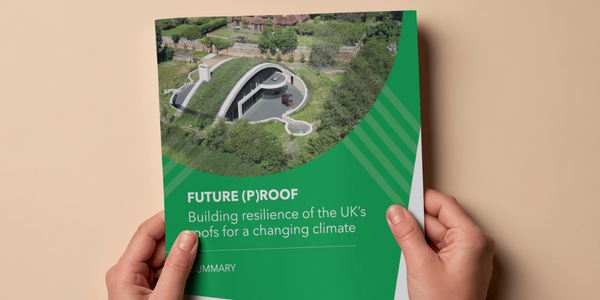
In 2021, National Federation of Roofing Contractors (NFRC) commissioned a report, “Future (P)roof: Building resilience of roofing technologies in a changing climate,” to be made on the climate risks and built environment adaptions that could be made to address them. The report, which was conducted by the University of Southampton, identified overheating and flooding as two of the greatest climate-related risks facing the built environment. Now, five years later, the extreme temperatures and other climate impacts experienced across the United Kingdom have made the report’s focus on adaptation increasingly relevant.
Upon reflection on the report, NFRC reemphasized their belief that “climate resilience should progressively become embedded within normal building and roof design practice.” What does this look like in action? For one, roofing professionals should consider how a system will perform throughout its service life rather than relying solely on historical weather records. This includes evaluating overheating risks in roof-level accommodation and lightweight construction, planning drainage for future rainfall and establishing clear inspection and maintenance requirements.
Further, we should change our perspective to think beyond each building’s energy efficiency and carbon reduction and think about how roofs can support broader climate goals. For example, cool and reflective surfaces can reduce solar heat gain, while green and blue systems can help manage rainfall. Roof space may also support biodiversity, urban cooling and renewable energy generation when appropriate for the building.
It is all important to acknowledge the necessity of refurbishments and updates in a world of changing weather patterns. Even what is considered a highly insulated building a few years ago may overheat in today's rising temperatures and a building that is up to code for drainage or waterproofing might be outdated in a few years.
Overall, as climate conditions continue to change, resilience is no longer just an optional benefit. It is becoming a key part of good design and asset management.
Learn more about National Federation of Roofing Contractors (NFRC) in their Coffee Shop Directory or visit www.nfrc.co.uk.
Recommended For You
DECRA Metal Roofs Offer the Best Protection Against Tornadoes
Read More ...
Sniffing out survival
Read More ...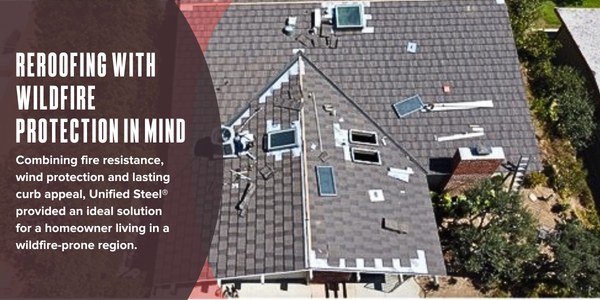
Reroofing with wildfire protection in mind
Read More ...




Comments
Leave a Reply
Have an account? Login to leave a comment!
Sign In