








Polycarbonate roofing starts with the right panel
By Jesse Sanchez.
Understanding panel types, installation requirements and safety considerations can help homeowners plan successful polycarbonate roofing projects.
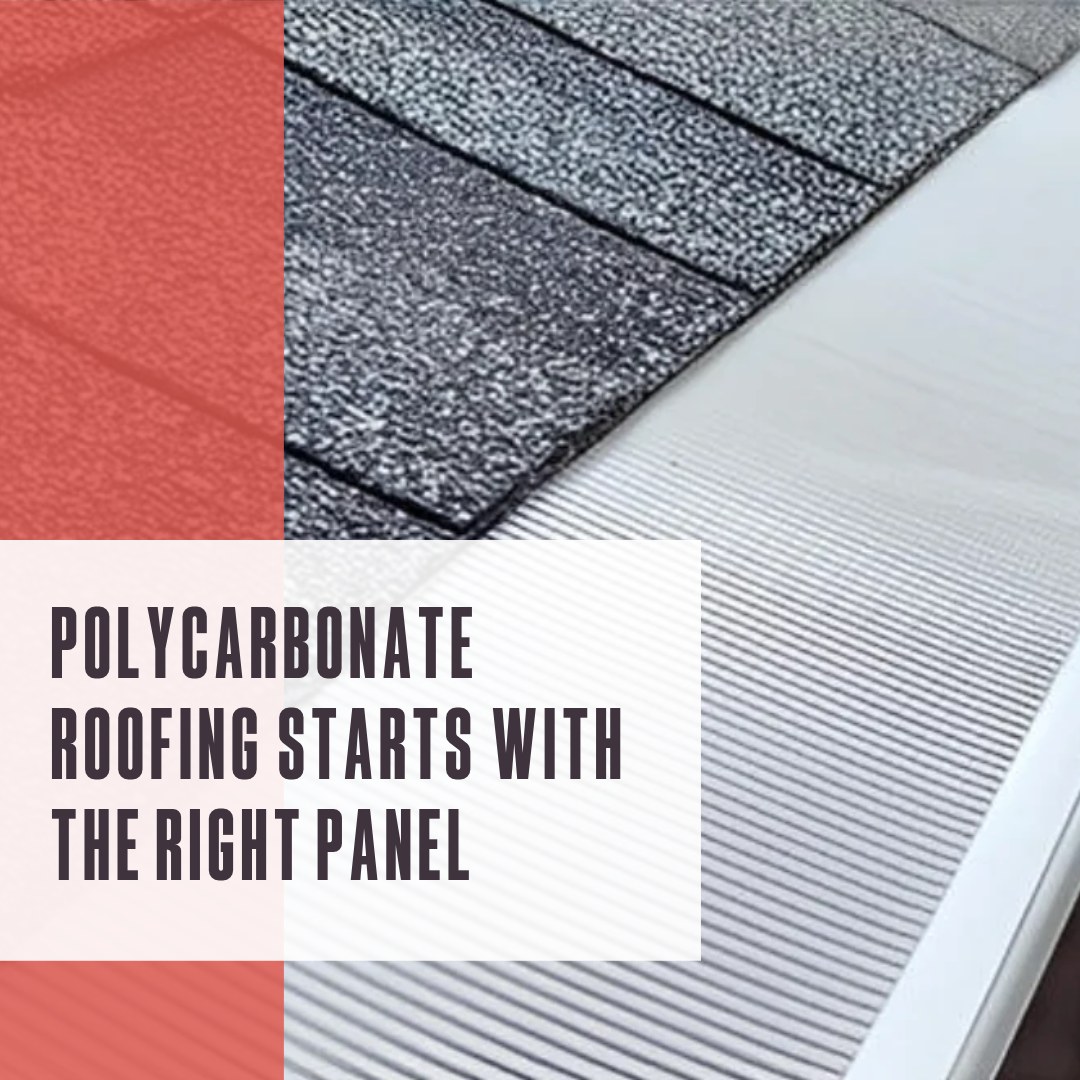
Polycarbonate roofing gives homeowners several options for bringing durability and natural light to outdoor structures, but choosing the right panel requires careful consideration of insulation, light transmission and project requirements. Roofing4US offers polycarbonate sheets in several configurations, including twin wall, multiwall and corrugated options suited to different applications. The lightweight thermoplastic material is designed for strength, optical clarity and durability and is UV protected to help prevent yellowing and deterioration.
Twin wall sheets feature two layers separated by a fluted air space that provides insulation while still allowing significant light transmission, making them well suited for greenhouses and cold frames. For projects that require greater thermal resistance, multiwall sheets add more internal layers to improve insulation. Corrugated polycarbonate offers another option, combining the strength of the material with a traditional profile that adds structural support for applications such as patio covers and awnings.
Beyond panel construction, tint can also influence how a roofing system performs. Clear sheets can allow up to 82% light transmission, making them a strong choice when maximizing daylight is a priority. Bronze sheets, by comparison, provide additional shading and can help reduce solar heat gain.
Once the appropriate panel and tint are selected, proper installation becomes critical to long-term performance. Roofing4US recommends starting with a clean, level framework and maintaining a minimum roof pitch of 5 degrees or approximately 1.5 inches of drop for every 12 inches of run, to encourage effective drainage. Because polycarbonate expands and contracts as temperatures change, screw holes should also be predrilled slightly oversized to allow for movement.
Multiwall systems require additional attention at the panel edges. Solid aluminum tape can be used to seal the upper edge against water intrusion, while breathable multivent tape at the lower edge allows internal condensation to drain. Installers should also confirm that the UV-protected side of each sheet faces outward to help protect the material from premature deterioration.
Along with correct product selection and installation, safety remains an essential part of the project. Roofing4US advises against walking directly on polycarbonate panels and recommends using appropriate work platforms or roof ladders instead. Eye protection, cut-resistant gloves and fall protection should also be incorporated into the work to reduce jobsite risks.
Learn more about Roofing4US in their Coffee Shop Directory or on roofing4us.com.
About the author

Jesse is a writer for The Coffee Shops. When he is not writing and learning about the roofing industry, he can be found powerlifting, playing saxophone or reading a good book.
Recommended For You

How Millennium PG-1 EF ECO2 is driving sustainable change
Read More ...
Wet roofs require careful safety and legal planning
Read More ...
Extend your ladder safety training
Read More ...


Comments
Leave a Reply
Have an account? Login to leave a comment!
Sign In